Iran-Israel12 June, 20252 min read
Israel Launches Massive Airstrikes on Iran’s Nuclear Sites Days Before US-Iran Talks Resume
This article is an automated aggregation of coverage from news outlets. Our editorials offer in-depth analysis curated by the NewsCord team.
Israel launched massive airstrikes targeting Iran’s nuclear sites and senior military leaders. The sixth round of US-Iran nuclear talks is scheduled to resume in Oman on June 15, 2025.

8 outlets told this the same way.
Outlets did split on U.S. Intercepts Iran Message Activating Sleeper Cells After U.S.-Israel Strike Kills Khamenei →
France 24 was read line by line by the Watchdog: 3.8. See the score →
Israel's Airstrikes on Iran
In a dramatic escalation of regional tensions, Israel has launched massive airstrikes on Iran's nuclear sites just days before the resumption of US-Iran talks. This move is seen as a preemptive strike to disrupt Iran's nuclear capabilities, which Israel views as an existential threat. According to AP News, the airstrikes could further complicate the already tense situation in the Middle East, especially with the ongoing Israel-Hamas conflict in Gaza.
“The article discusses the possibility of a U.S.-Iran agreement in which the U.S. would lift some economic sanctions on Iran in return for Iran significantly limiting or ending its uranium enrichment.”
The strikes are likely to provoke a strong response from Iran, which has previously threatened retaliation against US military bases in the region if attacked. The timing of the strikes, just before the US-Iran talks, suggests a strategic attempt by Israel to influence the negotiations.
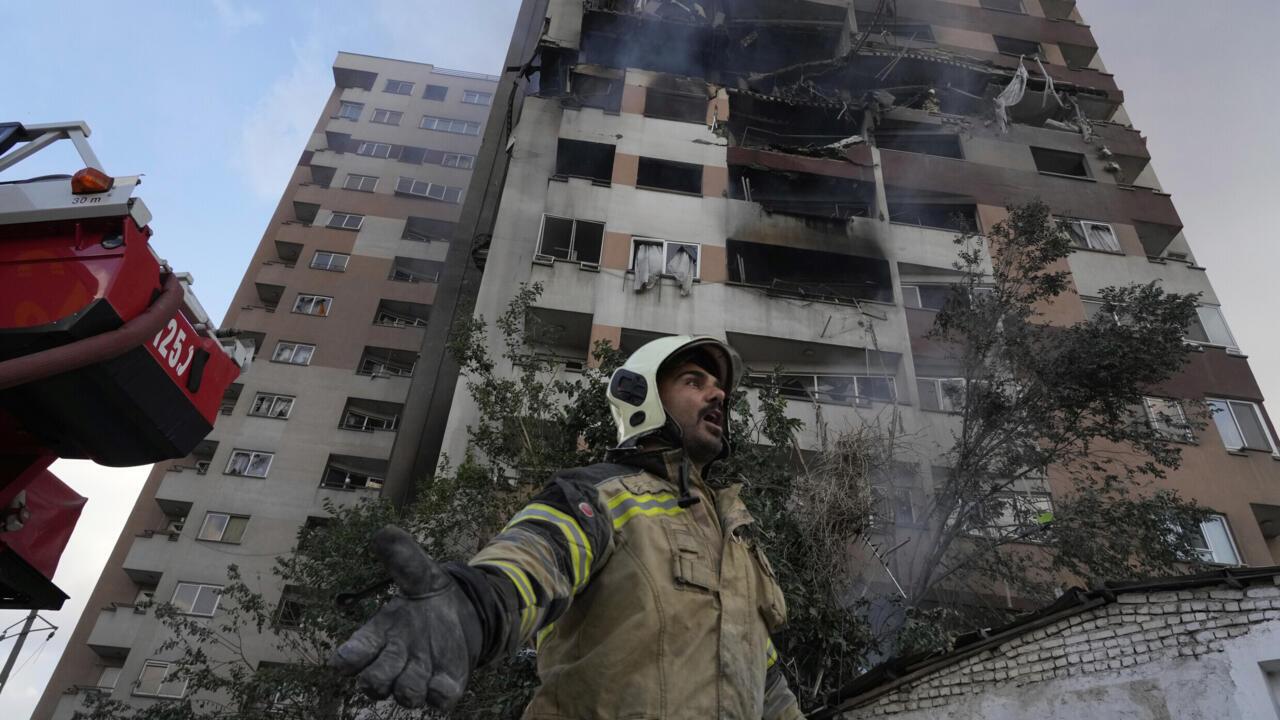
International Reactions to Airstrikes
The airstrikes have drawn international attention, with various countries expressing concern over the potential for a broader conflict. France 24 reports that Israeli Prime Minister Benjamin Netanyahu has long viewed a nuclear-armed Iran as an existential threat, a sentiment that has driven Israel's aggressive stance.
Meanwhile, DIE ZEIT highlights the potential for the situation to escalate to the UN Security Council, given the IAEA's recent resolution condemning Iran for not fully disclosing its nuclear activities. The strikes could also impact the US's diplomatic efforts, as Infobae notes that the US has been engaged in indirect talks with Iran to revive negotiations on its nuclear program.
Iran's Potential Reactions to Airstrikes
Iran's response to the airstrikes is anticipated to be severe, with potential military and political repercussions. Anadolu Ajansı reports that Iran's Defense Minister has warned of strikes on US military bases if Iran is attacked, underscoring the high stakes involved.
“Iran’s Defense Minister warned of strikes on US military bases if attacked.”
The possibility of Iran withdrawing from the Non-Proliferation Treaty or ending cooperation with the IAEA, as mentioned by France 24, could further escalate the situation. AP News highlights the risk of Iran accelerating its nuclear weapons program if diplomatic efforts fail, a scenario that could lead to further regional instability.
US Role in Iran Crisis
The US's role in the unfolding crisis is complex, as it balances its strategic interests in the region with its diplomatic efforts to curb Iran's nuclear ambitions. Infobae notes that the US has maintained a maximum pressure policy on Iran, with President Trump expressing doubts about reaching an agreement.
DIE ZEIT reports on the US's precautionary measures, such as withdrawing personnel from the Gulf, indicating concerns about potential Iranian retaliation. The airstrikes could undermine the US's diplomatic efforts, as AP News suggests that failure to reach a deal could lead to further escalation and potential military action by the US or Israel.
