
Iran · 14 September, 2026 · 3 min read
Iran Postpones Oman Strait of Hormuz Meeting Citing Yemen Events
Gulf states postpone Iran-Hormuz Strait meeting amid events in Yemen. Oman cites consensus, regional postponement of Hormuz talks with Iran.
Whether Saudi Arabia requested the postponement.
8 of 10 outlets skipped it: iran says it destroyed an MQ-1 drone using a new defence system.
The New York Times was read line by line by the Watchdog: 6.2. See the score →
44outlets compared
Same story, two versions
tap a side to read it in full
Al Jazeera
“He added that Saudi Arabia requested the postponement of the meeting.”Read the original ↗
CNN
““In the interests of consensus the regional meeting set for tomorrow in Salalah has been postponed,” Badr Albusaidi, the foreign minister, wrote in an X post.”Read the original ↗
CNN ties the delay to consensus. Al Jazeera attributes it to Saudi Arabia requesting postponement.
Hormuz talks postponed
Iran said a planned meeting with officials from Gulf states to discuss the Strait of Hormuz was postponed due to “events unfolding in Yemen,” with Ministry of Foreign Affairs spokesperson Esmaeil Baghaei speaking at a news conference on Monday.
“events unfolding in Yemen”
Baghaei said Oman and Iran “have taken a joint decision aimed at arriving at a responsible” approach to management of the strait, and he said the meeting, scheduled to take place in Oman, would have been an “opportunity to demonstrate the significance of these decisions”.
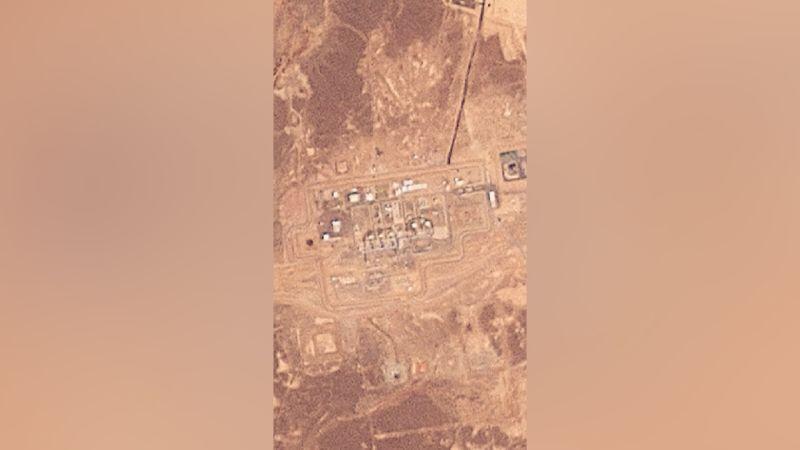
The CBS News report said Oman’s government postponed a meeting scheduled for Monday in Muscat “in the interests of consensus,” while Reuters reported that Gulf states called off the meeting planned for Monday as Yemen’s Houthis launched a new attack on Saudi Arabia.
In the same Reuters account, Iran issued a list of 77 ships it said had violated its protocols for operating in the Strait of Hormuz, warning that any ship on the list would face “restrictions on future passages, including fines, detention, or confiscation.”
Drone, oil, and messaging
Iran’s Islamic Revolutionary Guard Corps said on Monday that its forces intercepted and destroyed an advanced MQ-1 drone over the Strait of Hormuz, with a statement carried by the semi-official Tasnim news agency saying it used a “new aerospace defence system”.
In parallel, CBS News said Brent crude jumped Monday to about $108 per barrel, while U.S. crude was selling Monday at over $103.26 per barrel, as fighting between Iran’s Houthi allies and Yemen’s Saudi-backed government forces intensified Sunday.

The BBC’s coverage of the same diplomatic thread did not appear in the provided sources, but CNBC quoted President Donald Trump saying, “We'll ultimately get out (of the war), unless we decide to stay and keep the oil like Venezuela,” linking the conflict to U.S. control of oil.
Reuters also reported that Iran’s Hormuz talks were postponed and oil prices jumped as Houthi attacks on Saudi Arabia continued, while the Guardian said the postponement came as Houthi rebels launched a fresh barrage of missile and drone attacks on Saudi military targets.
What’s at stake next
Beyond the postponed meeting, Iran’s position on the strait remained tied to its control and to the role of the United States, with Al Jazeera reporting Baghaei said Iran has “no relations whatsoever with what is unfolding in Yemen” and that Tehran does not interfere in Yemen’s affairs.A
“no relations whatsoever with what is unfolding in Yemen”
The Guardian said the planned agreement on a temporary route for ships to use would have formalised Iran’s control of the strait, because the entry route would have been entirely in Iranian waters, and it added that Tehran set preconditions including requiring the US to lift a blockade of Iran’s oil ports.
Reuters’ account said the Houthis’ escalation jeopardised global oil supplies and that crude oil prices rose more than 4% on Monday when the market reopened, while the Reuters-linked report in Global Banking & Finance Review said the politically sensitive average retail price of diesel in the United States hit a new all-time high above $6.23 a gallon.
In the same Reuters-linked reporting, the East-West Pipeline disruption was described as a key bypass route for Saudi Arabia’s strategy to shift exports to the Red Sea, and the report said the 745-mile pipeline can carry up to 7 million barrels of oil a day from eastern Saudi Arabia to its Yanbu Port on the Red Sea.