Iran · updated 2h ago · 3 min read
Iran’s Ebrahim Azizi Rejects U.S. Negotiations Until Washington Accepts Tehran’s Conditions
Ibrahim Azizi: no negotiations with the United States until all Tehran's conditions are accepted. Tehran insists Washington must accept Iran’s terms before any contact resumes.
Whether hard-liners sabotaged diplomacy.
3 of 4 outlets skipped it: hard-liners sabotaged a US peace deal by attacking ships in the Strait of Hormuz.
CNN was read line by line by the Watchdog: 5.8. See the score →
17outlets compared
Same story, two versions
tap a side to read it in full
New York Times
“Opponents derailed the agreement with a clandestine effort to attack ships in the Strait of Hormuz”Read the original ↗
The New York Times attributes the deal's collapse to hard-liners, while CNN and India Today stress sanctions talks and renewed dialogue.
Tehran sets negotiation terms
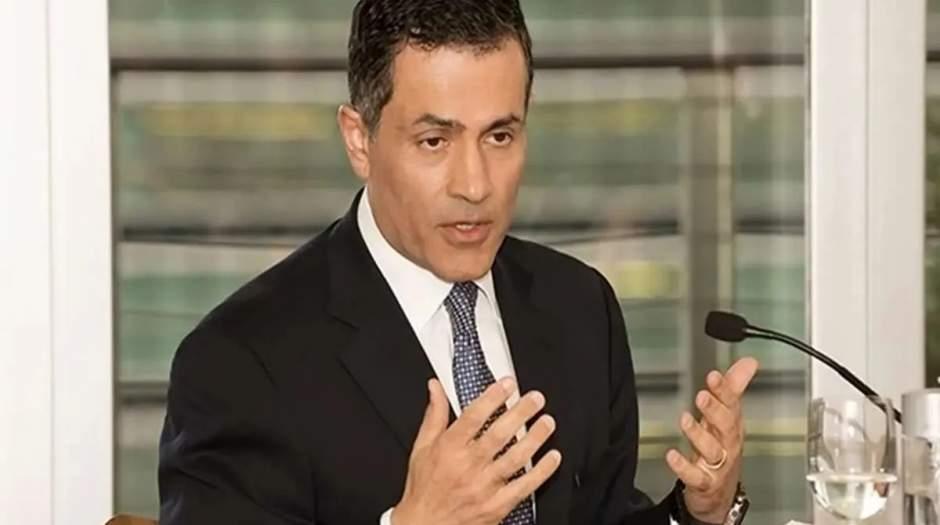
Iran’s National Security Committee head Ebrahim Azizi said Tehran will not enter negotiations with the United States unless Washington accepts all of Iran’s conditions, adding, "There will be no negotiations as long as the United States does not accept all of Iran’s conditions."
“There will be no negotiations as long as the United States does not accept all of Iran’s conditions.”
Azizi’s stance was echoed in reporting that Iran insists it "doesn’t make sense" to negotiate with the US until it accepts Tehran’s terms, as the stalemate continues over the war launched in February by the United States and Israel.
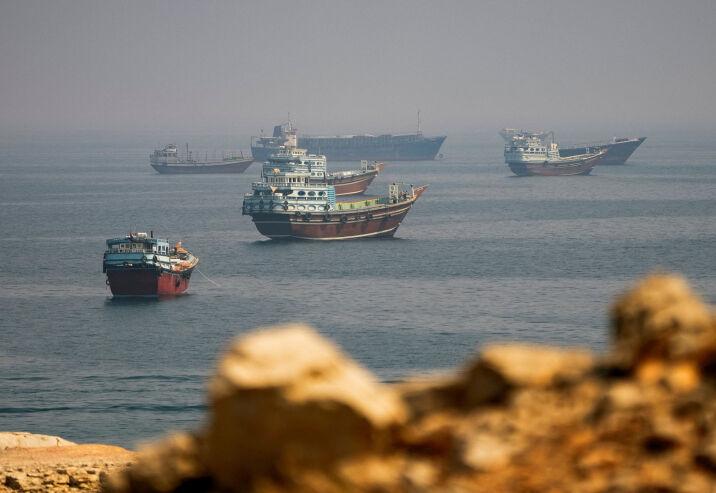
The dispute is framed around the Strait of Hormuz, where Iran says it keeps the waterway open as one of its main cards in negotiations while linking any progress to the cessation of U.S. attacks and compliance with terms in a memorandum of understanding signed last June.
In parallel, Iranian President Masoud Pezeshkian told an audience in New Delhi that "Iran has successfully stood against Israel and the U.S." as he argued his country will not yield in front of bullying pressure.
Pezeshkian also said Iran remains open to dialogue if the US ends sanctions and aggression, while he described past talks as failing due to broken commitments.
Oman meeting and hostile rhetoric
Iranian officials said a meeting in Oman is planned next Monday with Gulf Cooperation Council countries and Iraq to discuss results of discussions with Muscat and explore possibilities for establishing safe routes through the Strait of Hormuz.
A senior Iranian official described the Oman gathering as an opportunity to exchange views on regional crises while ruling out finalizing any agreement to regulate navigation in the strategic waterway, saying differences over sovereignty and fees remain a barrier.

The same reporting said the Kingdom of Bahrain officially announced its non-participation in any group meetings that include the Iranian side at this time, conditioning attendance on the full restoration of diplomatic relations between Manama and Tehran.
In a separate strand of the dispute, Iran International reported that the Swedish Ministry of Justice told it that "The Swedish security service has identified that the Iranian government uses criminal networks in Sweden to carry out acts of violence".
Iran International also quoted Iranian Armed Forces military spokesman Abolfazl Shakarji warning that workers at Iran International, BBC Persian, and Radio Farda could be placed on a "bank of military targets."
Hard-liners derail peace push
The New York Times described how Iranian hard-liners derailed a U.S. peace deal by launching an attack in the Strait of Hormuz, saying Iranian forces opened fire on three commercial ships and set ablaze a Qatari L.N.G. tanker.N
“Iran’s president was furious when he found out”
The account said Masoud Pezeshkian was furious when he found out, and that he phoned Gen. Ahmad Vahidi, with five Iranian officials and two Guards members saying Vahidi told the president he had neither authorized nor had advance knowledge of the strike.
The Times also said the Supreme National Security Council had been in the dark, and that much of the country’s leadership was unaware that a fringe hard-line faction had decided to act on its own.
In the diplomatic track, CNN framed the debate around "the economic pressure on Iran" and whether conflict could push Tehran back to the negotiating table, as it discussed challenges facing the United States.
Meanwhile, CNBC reported that Modi raised concerns about the safety of seafarers and underscored the need for peace and for freedom of navigation and commerce as shipments through the Strait of Hormuz slowed to a trickle since the war began on Feb. 28.