Gaza Genocide03 July, 20262 min read
Iran Proposes Strait of Hormuz Exit Plan After American Military Blockade
This article is an automated aggregation of coverage from news outlets. Our editorials offer in-depth analysis curated by the NewsCord team.
Iran proposes safe passage for ships through the Strait of Hormuz. The plan ties to ongoing US–Iran negotiations and possible resumption.
Hormuz blockade and talks
The Strait of Hormuz has been blocked since Monday by the American military, which says it has completely stopped trade conducted via Iranian ports.
US Vice President J.D. Vance said on Monday that "the ball is in Tehran's court," implicitly calling on Iranian authorities to make concessions.
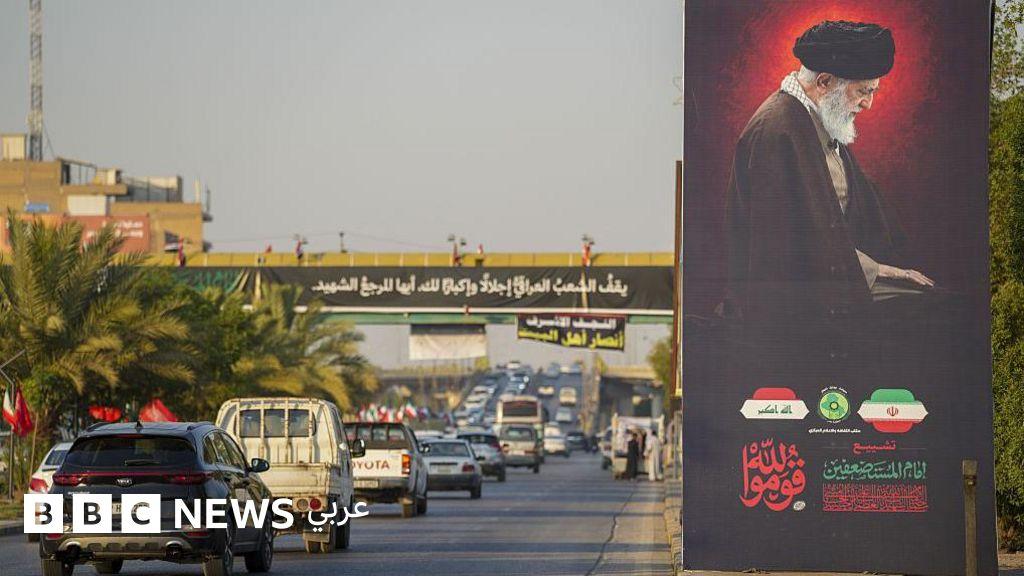
Iran has proposed a solution that would allow ships to exit the Strait of Hormuz without being attacked, and a source familiar with Tehran’s thinking said Iran might consider allowing ships to sail freely on the Omani side of the strait without the risk of attack.
In Washington, White House press secretary Karoline Leavitt told reporters on Wednesday that "The information that the White House asked for a prolongation of the ceasefire with Iran is false," while also saying discussions for a second round of talks with the Iranians were productive and would probably be held again in Pakistan.
Lebanon ceasefire and rockets
Israel’s prime minister Benjamin Netanyahu said he had given instructions to the army to continue strengthening the "security zone" in southern Lebanon where the IDF continues to strike Iran-aligned Hezbollah, and he said Israel is kept "constantly" informed by Washington of contacts between the United States and Iran. Hezbollah said it fired rockets at northern Israel in response to what it described as violations of the ceasefire by the Israeli army, targeting the Israeli town of Shtula with a salvo of rockets.
The Israeli army said it had identified and intercepted "several shots coming from Lebanon and crossing into Israeli territory," while Donald Trump announced on Thursday a three-week extension of the ceasefire between Israel and Lebanon. Trump also said he expected Israeli leader Benjamin Netanyahu and Lebanese Joseph Aoun to meet "in the weeks to come," and the Times of Israël reported that ambassador-level talks between Israel and Lebanon were moved to the White House.

Sanctions, threats, and Gaza
The United States announced it would strengthen its sanctions on the Iranian oil sector, specifically targeting transport infrastructure, including about twenty individuals and entities tied to the network of oil magnate Mohammad Hossein Shamkhani. Treasury Secretary Scott Bessent said, "The Treasury is taking aggressive action as part of Operation 'Economic Fury' targeting regime elites," while the State Department said the United States is taking steps to decisively limit Iran's ability to generate revenue as it seeks to take the Strait of Hormuz hostage.
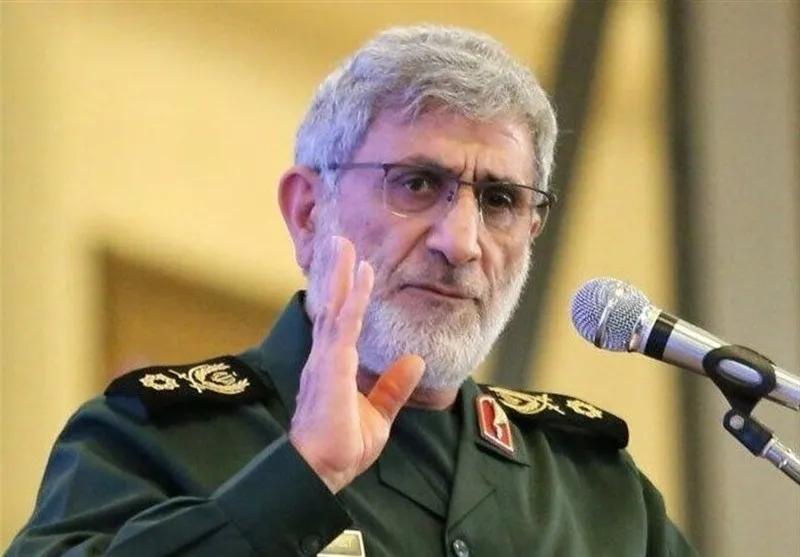
Iran’s Supreme Leader's military adviser Mojtaba Khamenei threatened to sink American ships if they tried to police the Strait of Hormuz, warning, "Your ships will be sunk by our first missiles, and that's a danger for American troops." In the Gaza Strip, the Israeli army spokesman in the Europe 1 live coverage said "additional forces are needed," as the same briefing described the IDF’s missions expanding across Gaza, Syria, and the West Bank.