Iran12 March, 20263 min read
Iran Vows to Keep Strait of Hormuz Closed, Attacks Gulf Shipping; Oil Surges Past $100
This article is an automated aggregation of coverage from news outlets. Our editorials offer in-depth analysis curated by the NewsCord team.
Oil prices surged above $100 per barrel after attacks on commercial shipping in the Gulf Iran's new supreme leader vowed the Strait of Hormuz will remain closed

Overview of events
Iran and its allied forces have intensified attacks on commercial shipping in the Strait of Hormuz and across the Gulf while Tehran signalled it intends to keep the waterway closed, driving oil prices back above $100 a barrel. Iranian state media broadcast what it said was a message from Mojtaba Khamenei vowing to keep the strait closed and to "not forgo taking vengeance," although the broadcast itself raised questions about whether the 56-year-old leader actually spoke.
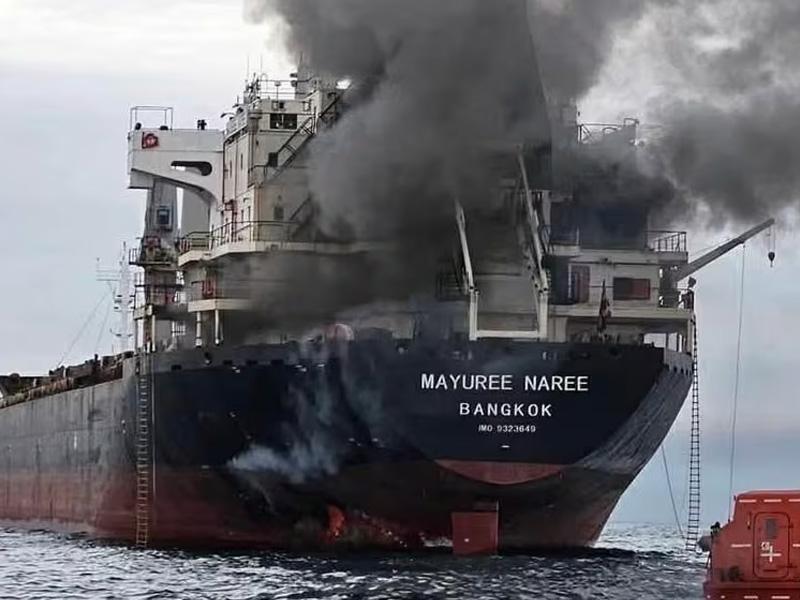
Maritime authorities and trade bodies reported multiple merchant vessels struck — including container ships that caught fire — and analysts warned the pattern of incidents is aimed at disruption, contributing to a sharp rally in energy markets. The International Energy Agency and major consuming nations have responded with record releases from strategic reserves in an effort to stabilise supply.
Maritime attacks detailed
Shipping reports show a campaign of targeted strikes and sabotage across the Gulf littoral that has severely raised maritime-security warnings. The Joint Maritime Information Center said incident patterns suggest “a campaign focused on operational disruption and the creation of uncertainty across maritime traffic flows,” and UKMTO and other bodies logged container ships and tankers hit, with at least one vessel reported ablaze.
Iraqi authorities also reported oil tankers struck in Iraqi waters near Basra, with Iran taking responsibility for one strike; rescue operations were reported and some crew were saved. Multiple outlets documented dozens of vessels impacted since the wider conflict began.

Market and supply impact
The disruption pushed benchmark crude back above $100 a barrel and stoked immediate inflationary concerns for consumers and markets. Brent crude surged sharply and U.S. benchmarks rose as traders priced in supply risk; AAA and consumer-facing trackers showed retail gasoline rising roughly 35–60 cents a gallon in short order. Policymakers moved to blunt the shock: the U.S. confirmed it would release 172 million barrels from the Strategic Petroleum Reserve as part of an IEA-coordinated release of 400 million barrels, while IEA officials said the goal was to keep oil flowing even as analysts warned stockpile releases can only partially offset sustained Gulf disruptions.
“Brent crude, the international benchmark, surged more than 9% to about$100 a barrelas escalating Middle East tensions rattled energy markets, while U.S. benchmark West Texas Intermediate crude rose into the mid-$90s range.”
Iran's threats and rhetoric
Tehran framed the campaign as retaliation and threatened to keep the Hormuz chokepoint closed to certain nations, while the Islamic Revolutionary Guard Corps warned any ship attempting to transit could be attacked. Iranian state media carried a message saying the "lever of blocking the Strait of Hormuz must undoubtedly continue to be used," and Tehran’s statements included explicit threats about denying oil shipments to specified countries. Regional officials and shipping interests warned the situation had made passage "very difficult" and raised the prospect of further price spikes up to the levels Iran’s spokespeople publicly floated.
Responses and precautions
Governments and maritime agencies are weighing responses as the conflict widens at sea. The U.S. and allies coordinated the emergency reserve release and U.S. officials offered naval escorts when necessary, though U.S. energy officials said escorting tankers was "not yet possible." Maritime threat levels have been raised to “critical,” and several regional ports and terminals halted operations or evacuated vessels as a precaution, compounding the logistical strain on global oil flows.
“White House press secretary Karoline Leavitt told reporters Tuesday that President Trump ‘has offered the US Navy to escort tankers when necessary.’”