Iran13 July, 20262 min read
Iran’s Army Spokesman Mohammad Akrami-Nia Says Iran Will Launch Preemptive Operations Against Enemies
This article is an automated aggregation of coverage from news outlets. Our editorials offer in-depth analysis curated by the NewsCord team.
Iran will respond more forcefully to renewed aggression. Armed forces strengthen readiness, drawing on recent war experience.
Threats and readiness
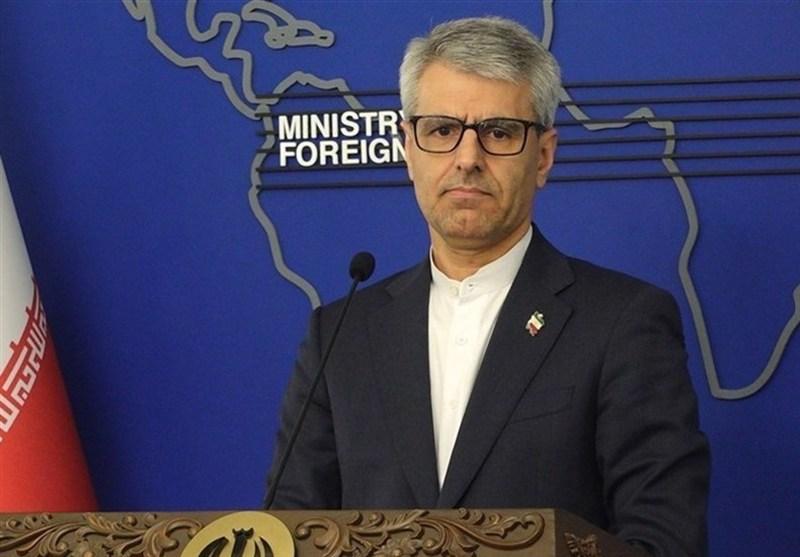
Iran’s Army spokesman Brigadier General Mohammad Akrami-Nia said the Islamic Republic will launch preemptive operations against enemies if it determines the country faces a threat. Akrami-Nia told Fars News Agency that a potential military operation by Iran’s armed forces would be “more crushing, broader, more decisive, and faster.” Akrami-Nia said the Army has continued producing military equipment on a daily basis since the United States and Israel launched the current war against the country seven months ago.
Akrami-Nia said Iran has been working continuously to increase the range, speed and accuracy of its missiles, while also updating its target database. Akrami-Nia added that military superiority alone could not determine the outcome of a war, pointing to the resistance of Iran’s ground and naval forces.
Diplomacy and a seven-day plan
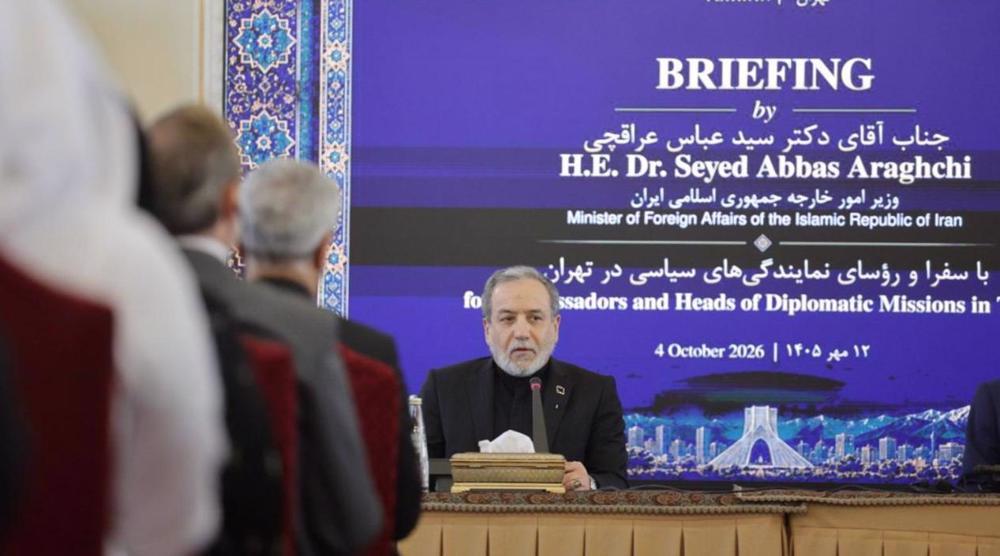
Iran’s Foreign Minister Abbas Araghchi warned that any renewed military aggression against Iran will face a stronger response than before, while he said the diplomatic door remains open. Araghchi told ambassadors and chargé d’affaires in Tehran that “If our enemies once again choose the path of military confrontation, they will face a stronger response than before.” Araghchi said Tehran presented its seven-day proposal for resolving the dispute with the US during the Iranian delegation’s presence in New York during the United Nations General Assembly.
Araghchi explained that “If accepted, the Strait of Hormuz will be reopened within seven days,” describing the proposal as a diplomatic route toward ending the war. Araghchi said there is “no military solution and no solution based on more sanctions,” stressing that only negotiations based on “justice, fairness and diplomatic dignity” could end the illegal and unjust aggression.
Studying the US response
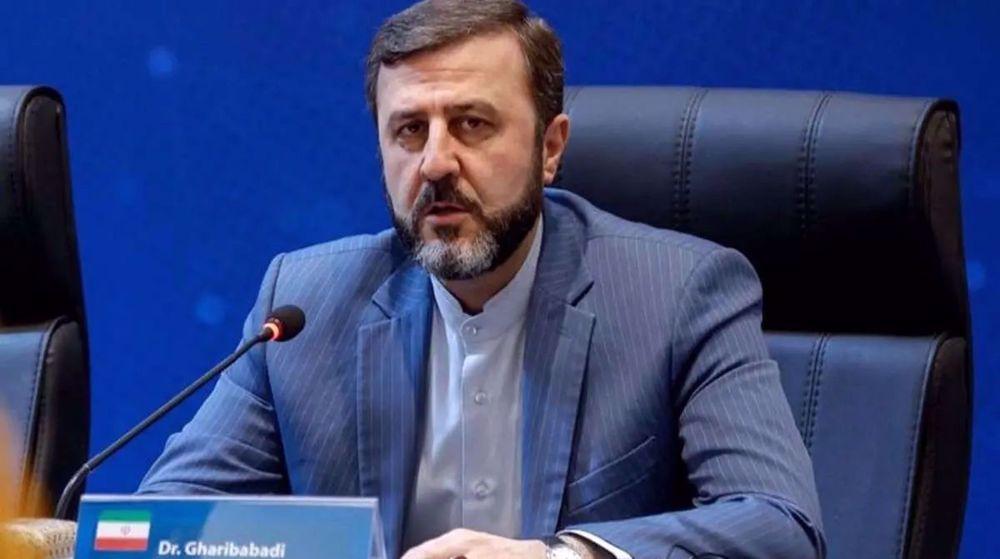
Iran’s Deputy Foreign Minister Kazem Gharibabadi said Tehran is studying the US response to its latest proposal for ending the US-Israeli aggression against the country. Gharibabadi said mediators delivered the US response to a proposal presented by Foreign Minister Abbas Araghchi during his stay in New York earlier this month to attend the United Nations General Assembly. Gharibabadi said, “Americans have also conveyed their views … and these views are being examined inside the country and through the relevant path and channel.”
Gharibabadi said Iran proposed to the US that it would reopen the Strait of Hormuz within seven days in return for the US lifting its sanctions and blockade on Iran and releasing part of the country’s blocked funds. Gharibabadi said Iran will take appropriate action after considering US replies, while also preparing for any other scenario, including renewed aggression.