Iranupdated 26m ago2 min read
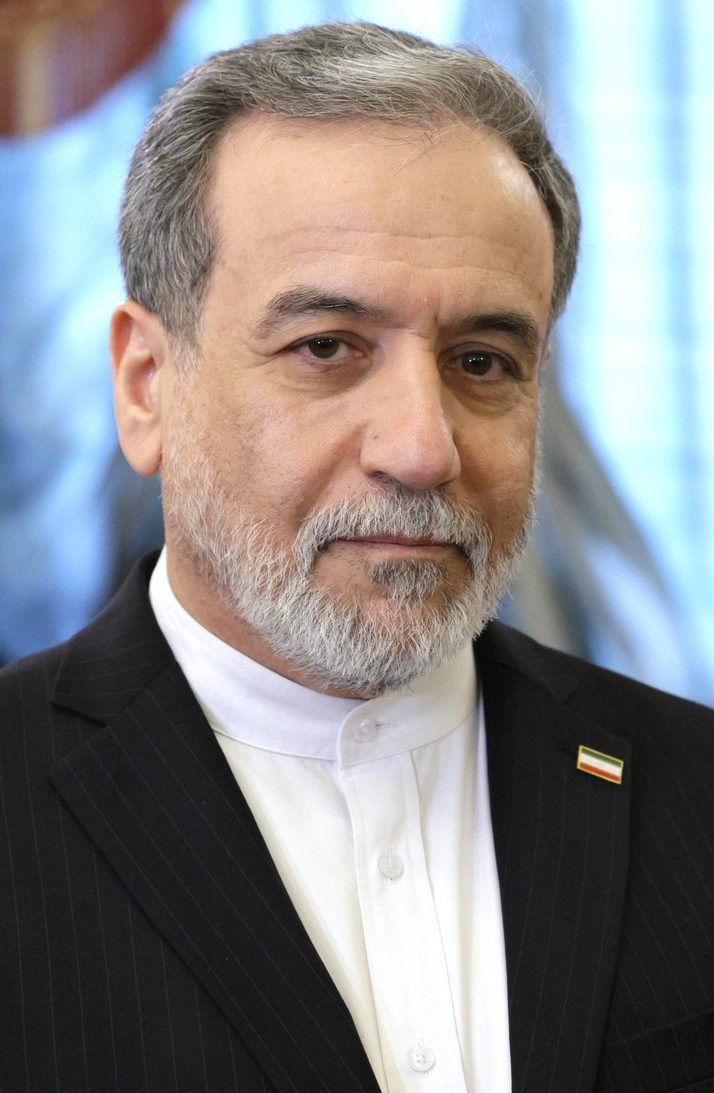
Archive photo · 27 April 2026Abbas Araghchi Says Iran Seeks Two-Day Strait of Hormuz Reopening With Qatar Mediators
6 Asian6 West Asian2 Western Mainstream1 OtherPhoto: Kremlin.ru, CC BY 4.0 · Cropped for layout
This article is an automated aggregation of coverage from news outlets. Our editorials offer in-depth analysis curated by the NewsCord team.
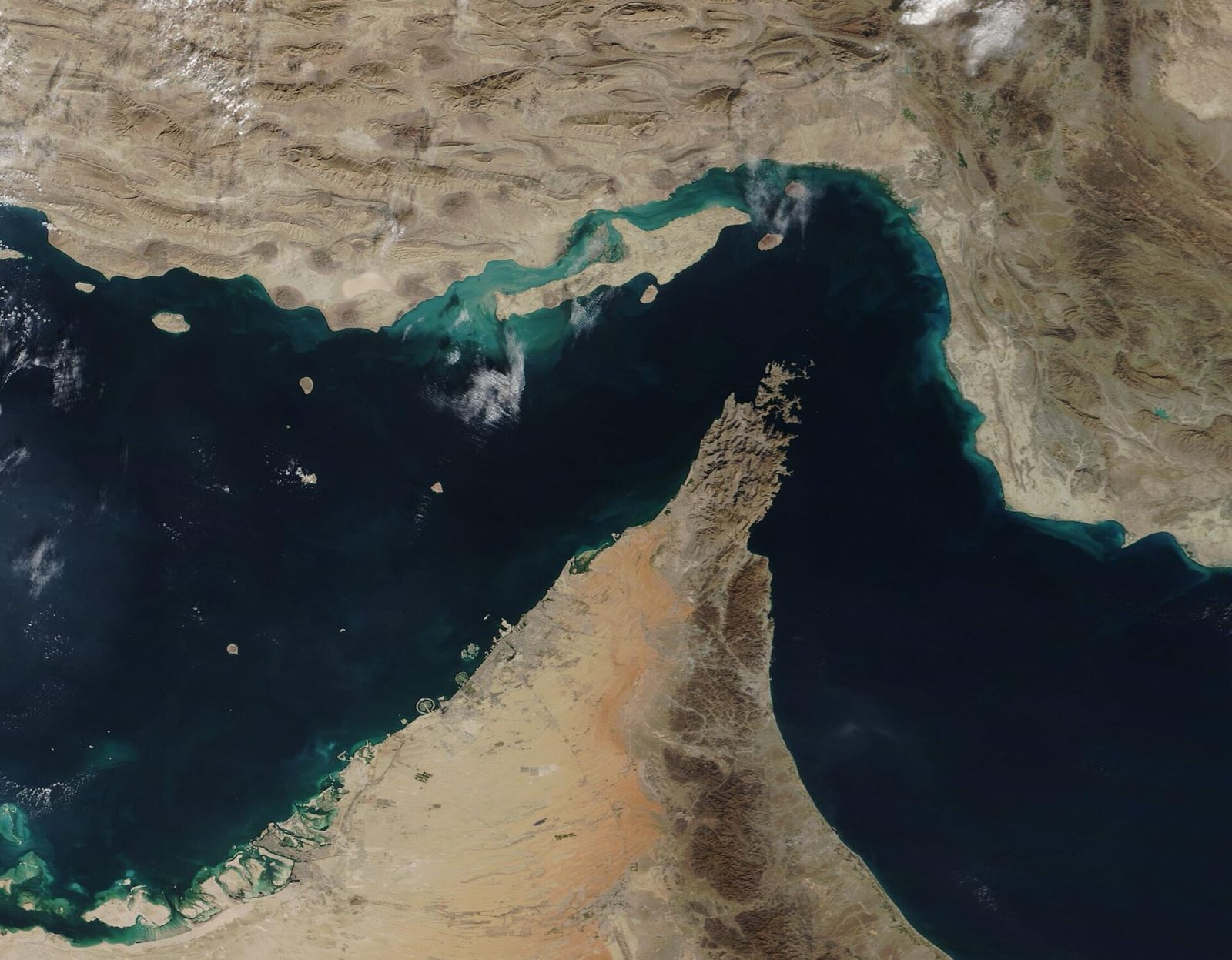
Iran's Araghchi says two-day Hormuz reopening plan discussed with Qatari mediators. Consultations ongoing; no definitive conclusion yet, dependent on the other side's responses.
Save coverage image
15 outlets told this the same way.
New York Post was read line by line by the Watchdog: 3.0. See the score →
Hormuz talks, war rhetoric
Iran’s Foreign Minister Abbas Araghchi said Iranian officials were speaking with Qatari mediators about a two-day plan to reopen the Strait of Hormuz, while he also said officials from both sides were ready for renewed military escalation. Araghchi said the latest discussions in Doha centered on reopening the Strait of Hormuz within two days and restarting peace talks with the US if Washington met Tehran’s demands, including lifting recently imposed US sanctions and reinstating oil waivers granted in June.
Araghchi told Al Jazeera, “The American side’s attempt to open the door to dialogue and understanding more broadly is a positive step,” while he warned, “If Washington’s goal in sending this letter is to stir up discord, it would be yet another mistake to add to its previous ones.” Supreme Leader Mojtaba Khamenei ordered commanders to update Iran’s target list to include “all types of tangible and intangible assets belonging to the American-Zionist enemy,” and Mohsen Rezaei said Iran would use “new weaponry” in response to any future attacks.
Mediators continue, no deal
Iran’s Foreign Minister Abbas Araghchi told CGTN that consultations with Qatari mediators were continuing and that Iran had “not yet reached a definitive conclusion.” Araghchi said the outcome depended on the responses the other side provided, and he added that the Qatari side had proposed shortening the implementation period of Iran’s plan to five days before talks reached a two-day proposal.
Araghchi also said Iran had no plan to include negotiations with the US during the Qatari visit, and he said the delegation traveled at the deputy foreign minister level to continue consultations with mediators. Mohsen Rezaei said the seven conditions announced by Iran must be fulfilled for diplomacy to be open, and he warned that retaliation would follow if Iran faced another attack.
Regional stakes and pressure
At the 22nd IISS Manama Dialogue in Bahrain, GCC Secretary General Jasem Mohamed Al Budaiwi said the GCC states called for dialogue and negotiation and that “diplomacy needs partners, partners who respond in kind.” Egyptian Foreign Minister Badr Abdelatty warned that another escalation could be “more dangerous, more destructive, and it will lead to nowhere,” and he told the conference that “no one can unilaterally control its consequences or stop it.”
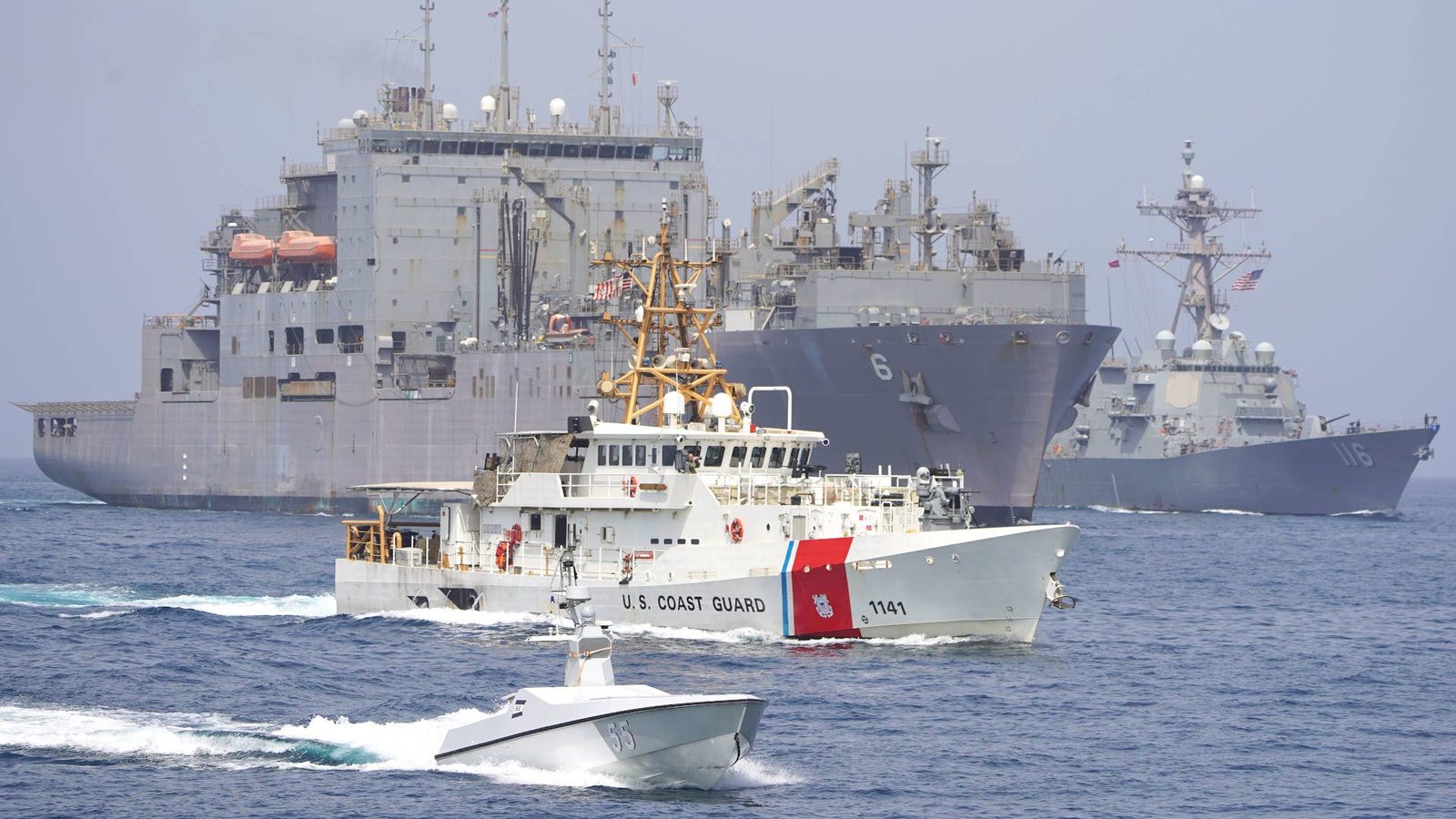
Saudi Vice Foreign Minister Waleed Elkhereiji warned about threats to international trade through the Strait of Hormuz, the Red Sea and Bab el-Mandeb, and he said securing navigation required “regional and international cooperation based on the respect of international law.” Iran’s Foreign Minister Abbas Araghchi linked reopening the Strait of Hormuz to US acceptance of Tehran’s conditions, and he said reopening “paves the way for the resumption of negotiations with Washington regarding outstanding issues.”