Iranupdated 1h ago2 min read
Archive photo · 6 October 2024Seyyed Abbas Araghchi Heads Iran Delegation to Ashgabat for Talks With Turkmen Officials
5 Other2 West AsianPhoto: PLBechly, CC BY-SA 4.0 · Cropped for layout
This article is an automated aggregation of coverage from news outlets. Our editorials offer in-depth analysis curated by the NewsCord team.
Seyyed Abbas Araghchi leads Iran's delegation to Turkmenistan for talks. The visit is scheduled for Monday, November 1, 2026.
Save coverage image
7 outlets told this the same way.
Araghchi heads to Ashgabat
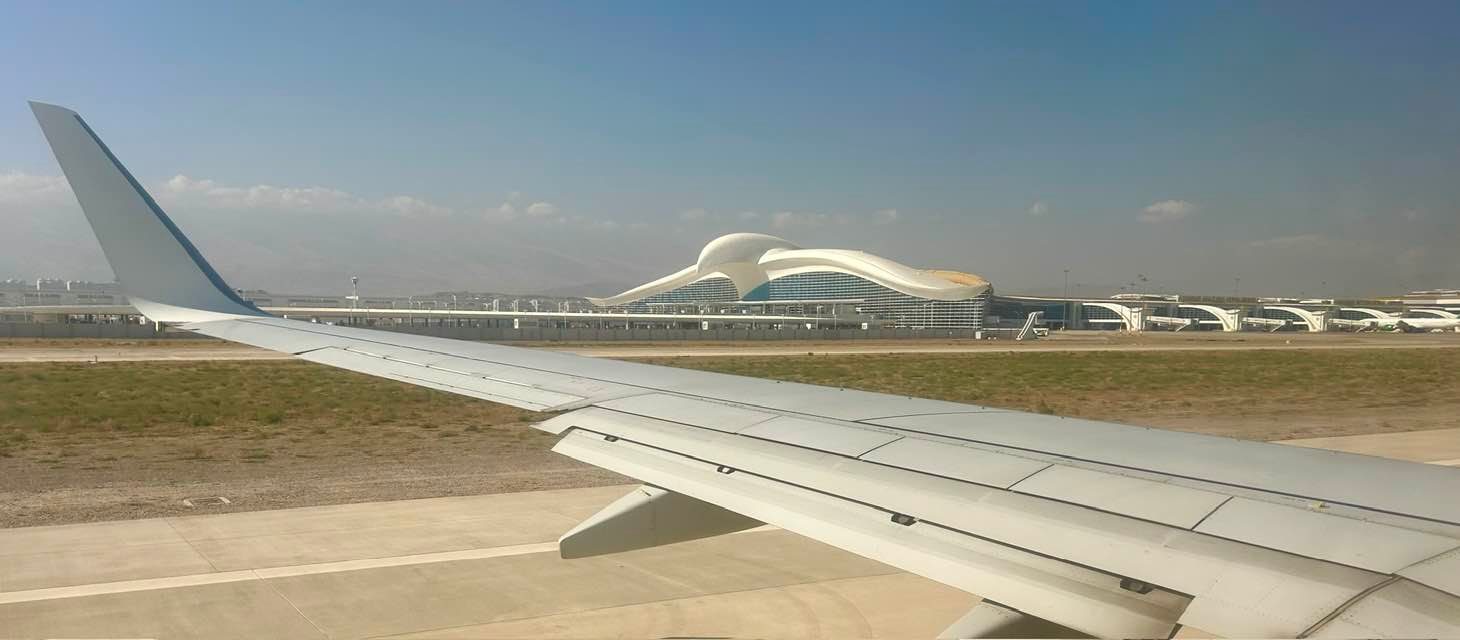
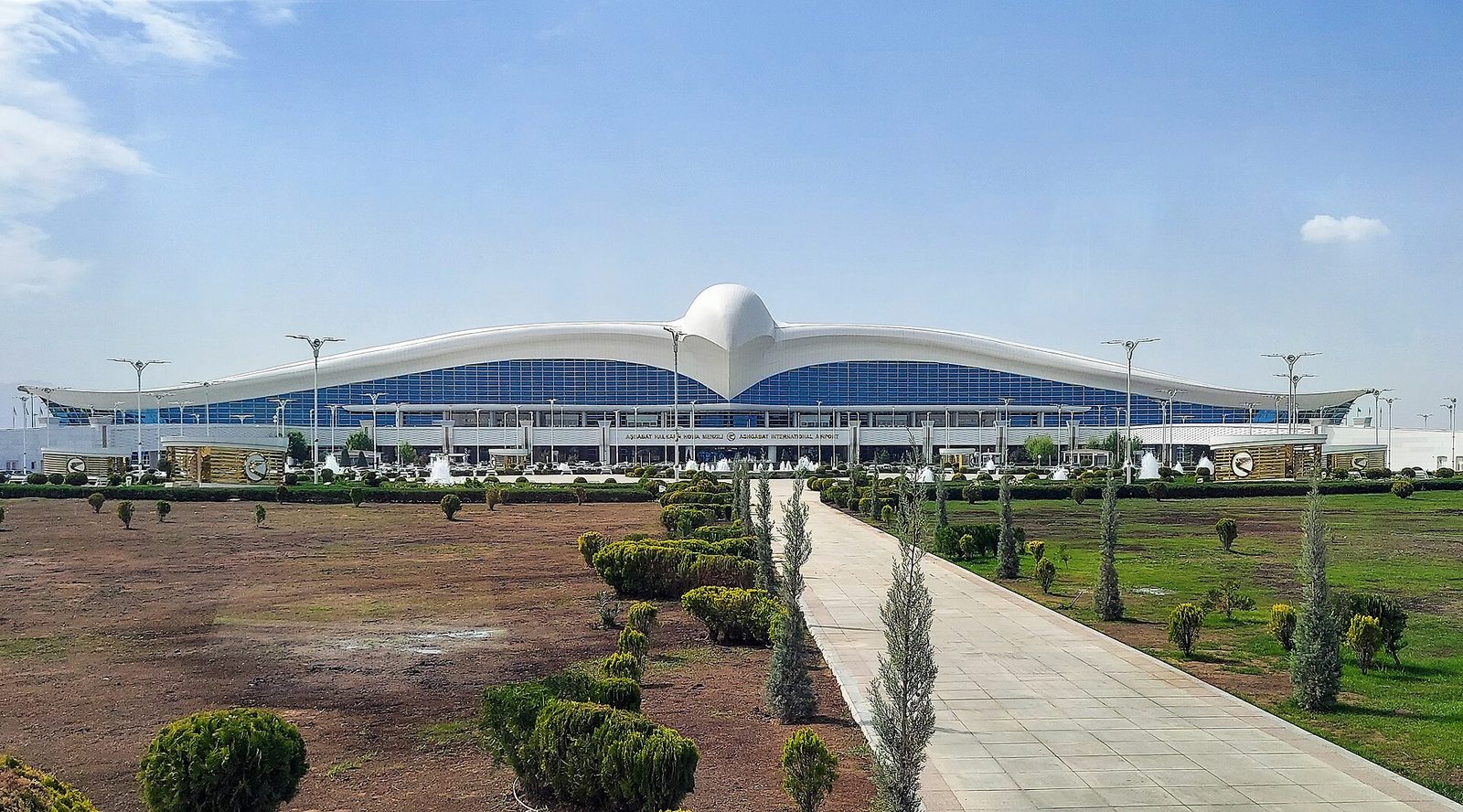
Seyyed Abbas Araghchi, the Minister of Foreign Affairs of the Islamic Republic of Iran, will travel to Ashgabat on Monday at the head of a diplomatic and economic delegation. Araghchi will hold discussions and consultations with Turkmen officials regarding bilateral relations across various areas of mutual interest.
Mehr News Agency framed the visit as part of Iran and Turkmenistan foreign ministers discussing ties and the region. The same Mehr News Agency item also referenced a call for Russian FM Lavrov to visit Iran next week for mutual talks.
Zarif claim on missiles
American senator Chris Murphy said Mohammad-Javad Zarif told him that Iran’s missiles are designed to target Saudi Arabia and pose no threat to Israel. Hamshahri Online, as cited in the Hamshahri Online video write-up, repeated the same claim that Zarif told the senator the missiles are aimed at Saudi Arabia and that Israel faces no threat.
The Akharinkhabar item also described an American senator’s claim that Zarif told him Iran’s missiles are built to target Saudi Arabia and pose no threat to Israel. The Khabaronline item presented Mohammad-Javad Zarif’s broader argument that negotiation under pressure does not necessarily mean surrender and that risks can be reduced through phased implementation, proportional actions, verification, and clear consequences.
No to War meetings
Mohammad-Javad Zarif warned that “No to War” meetings can reflect public pacifism in peaceful times, but in a situation of serious threat they may be perceived by the other side as a sign of weakness, internal rifts, and reduced national solidarity. Zarif argued that when a military threat against the country is real, any action must answer whether it increases or decreases the enemy’s cost of decision to go to war.
Zarif also said Trump and Washington’s think tanks only dare to escalate pressure when they see Iran’s society as factionalized. Zarif concluded that today the top national priority is preserving internal cohesion, which he described as the strongest deterrent against war.