Iranupdated 21m ago2 min read
MapIran’s IRGC Navy Says Two Oil Tankers Hit Naval Mines, Caught Fire in Strait of Hormuz
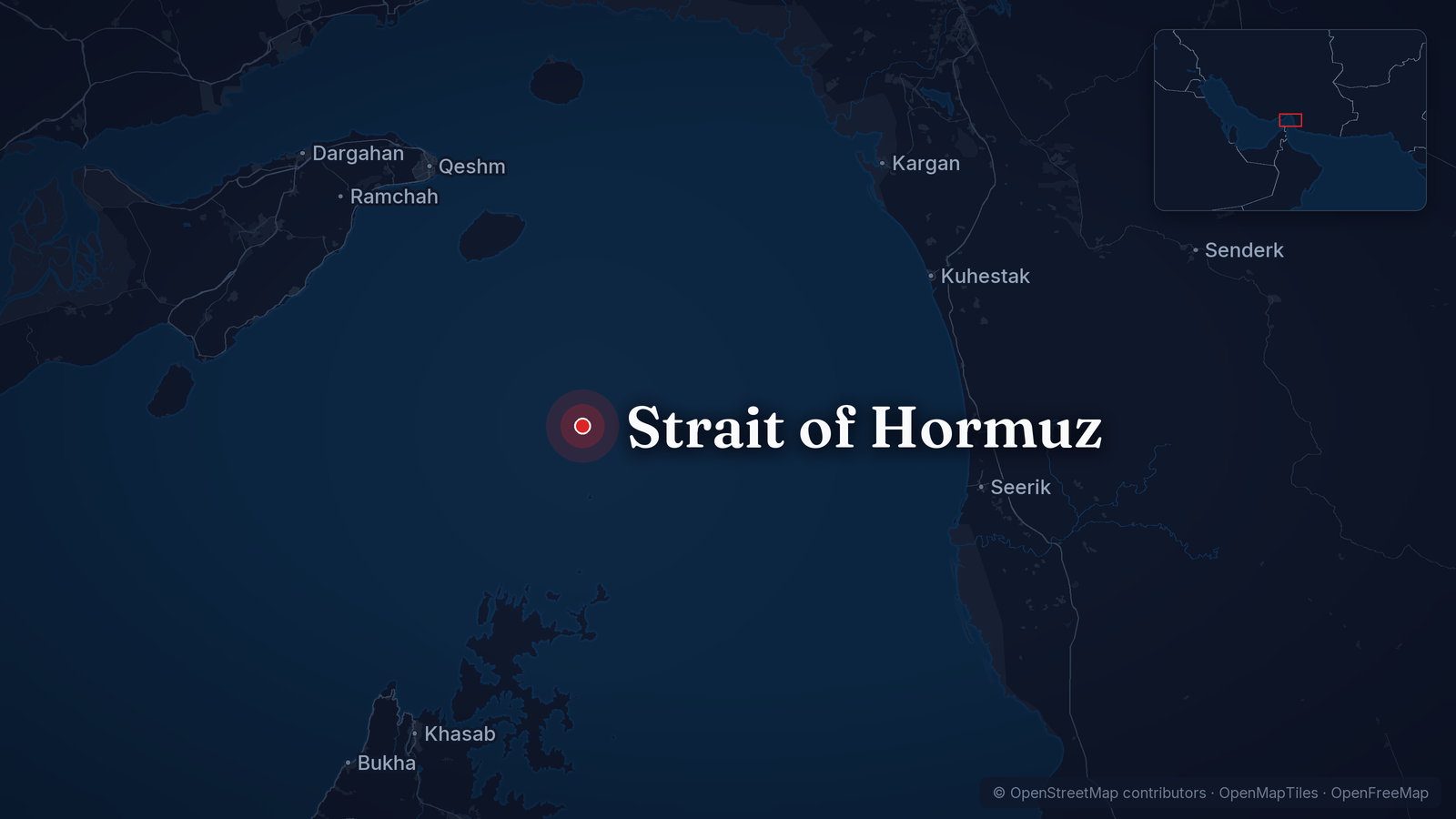
3 West Asian2 Israeli2 Other3 Other source typesMap: © OpenStreetMap contributors, ODbL · Cropped for layout
This article is an automated aggregation of coverage from news outlets. Our editorials offer in-depth analysis curated by the NewsCord team.
Two tankers struck naval mines and caught fire in Strait of Hormuz, IRGC says. Some outlets report three tankers hit mines in Hormuz, creating conflicting figures.
Save coverage image
The Jerusalem Post was read line by line by the Watchdog: 3.0. See the score →
Mines and engine fires
Iran’s Islamic Revolutionary Guard Corps Navy said two oil tankers struck naval mines and caught fire in their engine rooms as they tried to cross the Strait of Hormuz via an unauthorized route. The IRGC Navy said the tankers were attempting to slip through a “false route” and that the mines halted their passage off the southern and eastern shores of the strait.
The IRGC Navy also warned crews against heeding “misleading statements by US officials” after it said the tankers’ navigation and positioning systems were switched off. The IRGC Navy reported two violating tankers struck naval mines and exploded with fires breaking out in their engine rooms on the southern and eastern coasts of the Strait of Hormuz early Wednesday.
Iran’s warnings, US role
Iran’s Revolutionary Guards Navy said the tankers were “believing they were secretly trying to pass through the fake Strait of Hormuz route” when naval mines prevented them from passing and caused a massive explosion and fire. Iran’s Revolutionary Guards Navy warned crews of ships with navigation and positioning systems turned off to be careful “not to let the lies of American officials lead you to the explosion and fire of naval mines,” according to the statement carried by state media.
Iran’s Army spokesperson Mohammad Akraminia said the military deployed new systems and upgraded existing ones to strengthen surveillance and control of the strait, and he warned vessels passing without coordinating with Iranian forces faced greater risks. The IRGC navy’s public relations office told Fars News Agency that the U.S. military air escort “failed to prevent the incidents,” and it added that any alleged violations would be dealt with “in accordance with previously announced regulations.”
Shipping disruption and escalation
Tehran told Washington it would not restore normal shipping through the Strait of Hormuz until its demands were met, including the lifting of a US naval blockade of Iranian ports and an end to the war on all fronts.
Tehran offered to reopen the waterway within 48 hours of Washington meeting its conditions under a proposal conveyed through Qatari mediators.
The A News account said the incident came amid continued disruptions to maritime traffic through the Strait of Hormuz, which it described as a vital route for global oil and gas shipments.
The A News account also said the US and Israel launched a war against Iran on Feb. 28, prompting Tehran to retaliate with attacks on Israel and US military facilities in Arab countries, and it said Tehran and Washington signed a memorandum of understanding in June that stalled over disagreements about freedom of navigation through the strait.