Iranupdated 1h ago2 min read
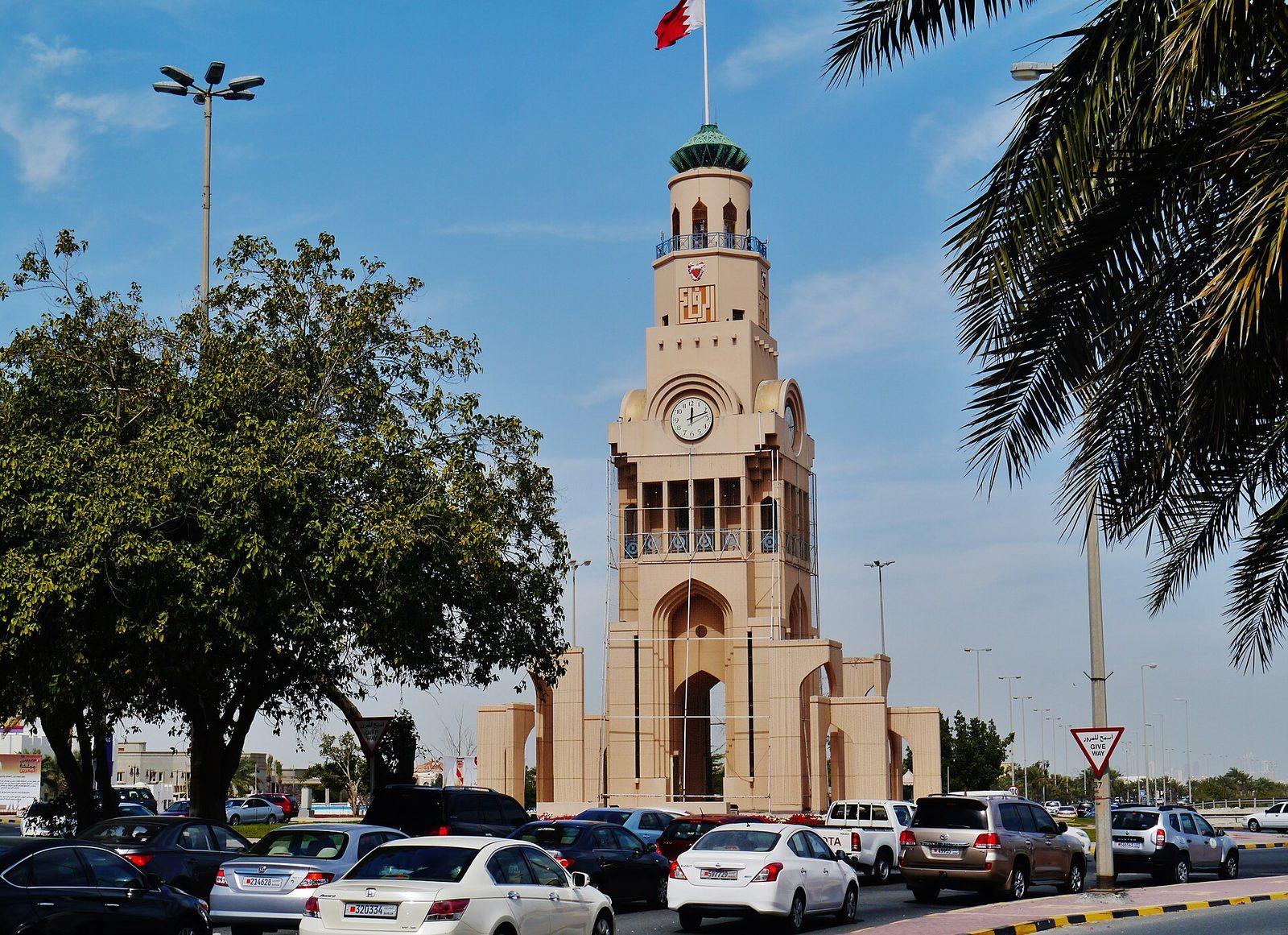
Archive photo · 25 February 2020IRGC Launches Six Drones at U.S. Radar at Bahrain’s Riffa Air Base, Bahrain Says It Intercepted
17 Western Mainstream9 West Asian5 Asian15 Other source typesPhoto: Zairon, CC BY-SA 4.0 · Cropped for layout
This article is an automated aggregation of coverage from news outlets. Our editorials offer in-depth analysis curated by the NewsCord team.
IRGC says six drones targeted and destroyed a US early-warning radar at Al-Rifa’a base, Bahrain. Bahrain intercepted the attacks; CENTCOM denied radar damage and said drones were shot down.
Save coverage image
46 outlets in this story. Read their headlines below.
CNN was read line by line by the Watchdog: 6.0. See the score →
Six Drones, Bahrain Radar
Iran’s Islamic Revolutionary Guard Corps said it launched six drones at a U.S. air defence radar system at Bahrain’s Riffa Air Base, and Bahrain’s Ministry of Interior urged residents to “remain calm” and “proceed to the nearest safe location”. The IRGC said the Strait of Hormuz remained closed and claimed US efforts to escort ships through the waterway had failed, while Bahrain’s Defence Force said its air defence systems thwarted several Iranian “aerial attacks” targeting the kingdom.
The BBC reported that the Iranian Revolutionary Guard announced its forces “carried out a drone attack on an American radar system at a base in Bahrain,” and it added that Bahrain’s official television said “Bahraini air defense systems intercepted and destroyed an Iranian drone.” The Anadolu Ajansı account said the IRGC claimed it targeted a U.S. radar defense site at al-Riffa Air Base with six drones, and it said there were no claims or details of the drones having caused damage.
Competing Claims, Prior Incident
The Iranian Revolutionary Guard announced it targeted the U.S. air defense radar system at the Rabbāh helicopter base in Bahrain with six drones belonging to the IRGC Aerospace Force, while Bahrain’s military said it had intercepted Iranian airstrikes before they hit their targets. The Al Jazeera explainer said the IRGC claimed a similar Friday action, saying it destroyed a U.S. early-warning radar system in Bahrain in retaliation for what it described as an air attack on a telecommunications tower in southern Iran.
The U.S. military’s Central Command denied the Friday claim, saying it had shot down two IRGC drones and there were no injuries or damage. The Al Jazeera explainer also said the IRGC warned that any US attack would draw a more severe response, and it described Bahrain’s call for the full implementation of Security Council Resolution 2817, which condemned Iranian attacks on Bahrain and other countries in the region and demanded they stop.
Strait of Hormuz, Negotiations
Iran’s IRGC navy said two oil tankers struck sea mines on Saturday while trying to pass through the Strait of Hormuz, and it said the vessels had switched off navigation and tracking systems and were using what it called an “unauthorised” route. Mohammad Bagher Ghalibaf, Iran’s parliamentary speaker and chief negotiator, told Al Jazeera Tehran wanted to move beyond a state of “no war, no peace,” and Ghalibaf said Iran had conveyed seven conditions for a deal through a Qatari mediator and was awaiting an official US response.
The seven conditions Ghalibaf outlined included lifting the US naval blockade and sanctions, releasing frozen Iranian funds, ending hostilities on all fronts and formally declaring the war over, while the Al Jazeera explainer said the Trump administration had tightened sanctions and maintained the blockade on Iranian ports. Diplomatic efforts to stop attacks and reopen the Strait of Hormuz remained stalled, and Iran’s mission to the IAEA rejected the director-general Rafael Grossi’s report on the Iranian nuclear program, calling it “one-sided.”