Iran26 September, 20262 min read
Iran’s Supreme National Security Council Denies Military Retaliation Over Flight Restrictions
This article is an automated aggregation of coverage from news outlets. Our editorials offer in-depth analysis curated by the NewsCord team.
SNSC denies plans for military retaliation over flight restrictions. Tehran pursuing negotiations with relevant countries to lift restrictions; non-military options available.
8 outlets told this the same way.
Outlets did split on Iran Reviews US Negotiation Proposals As Pakistan And Qatar Mediate Strait Of Hormuz Dispute →
No military retaliation
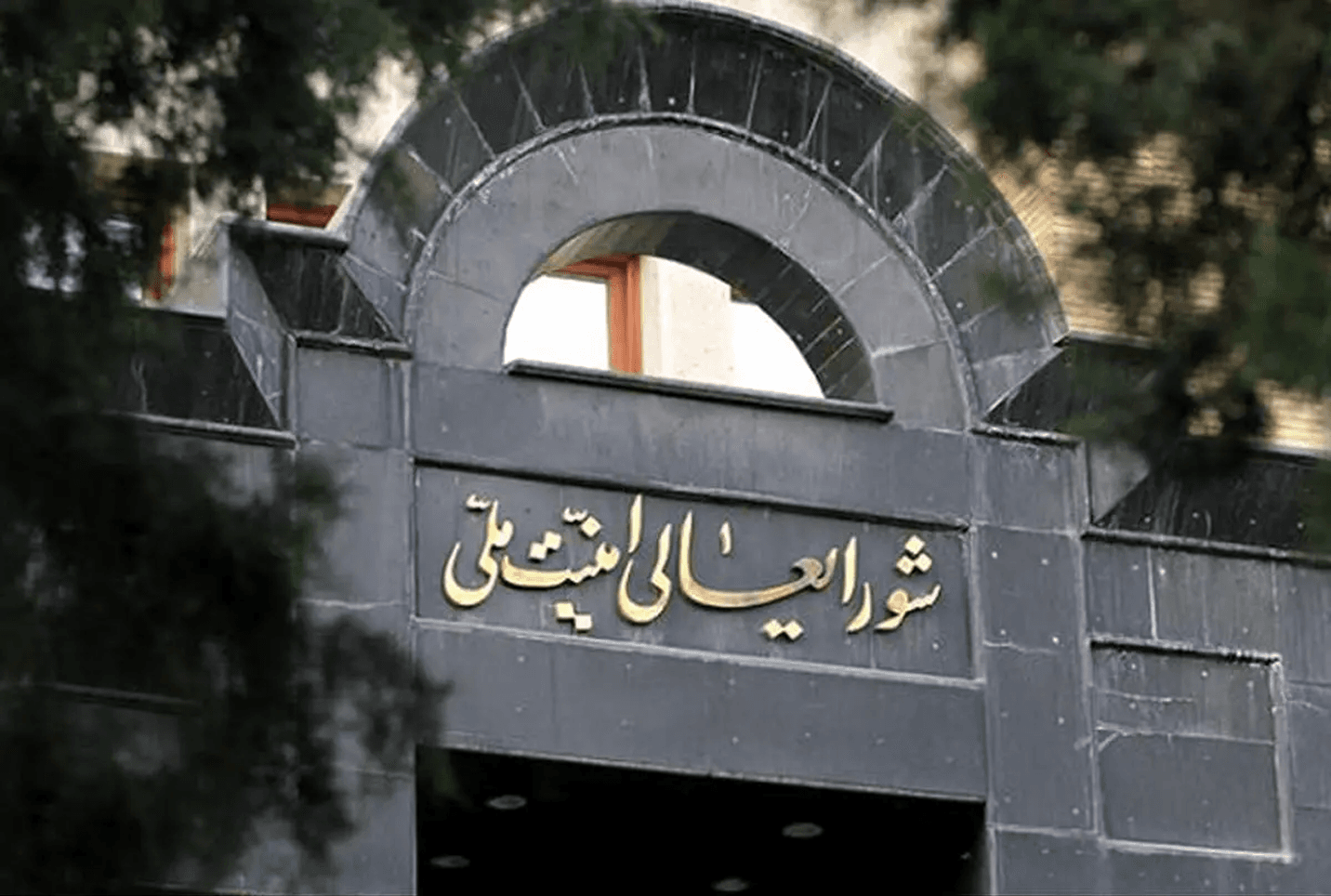
Iran’s Supreme National Security Council denied plans to resort to military action to confront restrictions on Iranian flight movement, and the council said Tehran was negotiating with concerned countries to lift what it described as illegal aviation restrictions. The council’s secretariat said there were “numerous non-military solutions for reciprocal action” that could be applied to some airports if necessary, and it added that it hoped the dispute would not reach that point.
“The claim that Iran intends to engage in military retaliation in response to recent aviation restrictions is denied.”
Mohammad Mokhber, an adviser to the Supreme Leader, wrote on X that “either air travel in the region is available to everyone or it is not available to anyone,” as Iraqi airports suspended flights to and from Iran under American pressure. Iraq’s first deputy speaker of the Iraqi Parliament, Adnan Fahhan Al-Duleimi, criticized the implementation of the Iranian flight ban measures as “hasty and ill-considered” and “unconstitutional,” warning of implications for religious tourism and energy supplies.

Iraq debates exemptions
Iraq’s government announced that it is holding talks with the United States to exempt some of the country’s airports from restrictions imposed by the U.S. Treasury on Iranian airlines.
The Prime Minister’s Office said easing the restrictions on Iranian airlines would allow Iraq to resume flights to meet humanitarian needs, while Adnan Fahhan Al-Duleimi warned that unilateral American sanctions “do not constitute international commitment for Iraq simply because they issued them.”

The restrictions have expanded across Iraq, with Najaf International Airport suspending all flights to and from Iran from Friday until further notice, according to an announcement by the airport administration.
The disruption followed Washington’s campaign targeting Iran’s civilian aviation sector, and the Reuters account cited in the source said the measures were designed to prevent Iranian airlines from operating internationally by targeting carriers and third-country service providers.
Reciprocity and regional impact
Iran’s SNSC secretariat said “false interpretations and quotes” of Mohsen Rezaei’s remarks on air transport raised questions and ambiguities, while it reiterated that negotiations to lift some illegally imposed restrictions were being pursued seriously.
Mohsen Rezaei warned on Sept. 23 that Tehran would retaliate against neighboring countries that cooperate with U.S. restrictions, saying the airports of such countries would “no longer be able to operate flights” to Iran.
The UAE suspended flights operated by Iranian airlines with origins or destinations in the country, and WAM reported the decision was made based on restrictions imposed on Iranian airlines.
The source also said Iranian flights to Oman, Georgia and Azerbaijan were halted, while some international connections remained operational, including routes operated by Iranian carriers to destinations such as China, Armenia, Pakistan and Türkiye.