USAupdated 1h ago2 min read
Archive photo · 1 July 2010IRS Plans Revised Voluntary Disclosure Program Before December, Cutting Penalties And Case Timelines
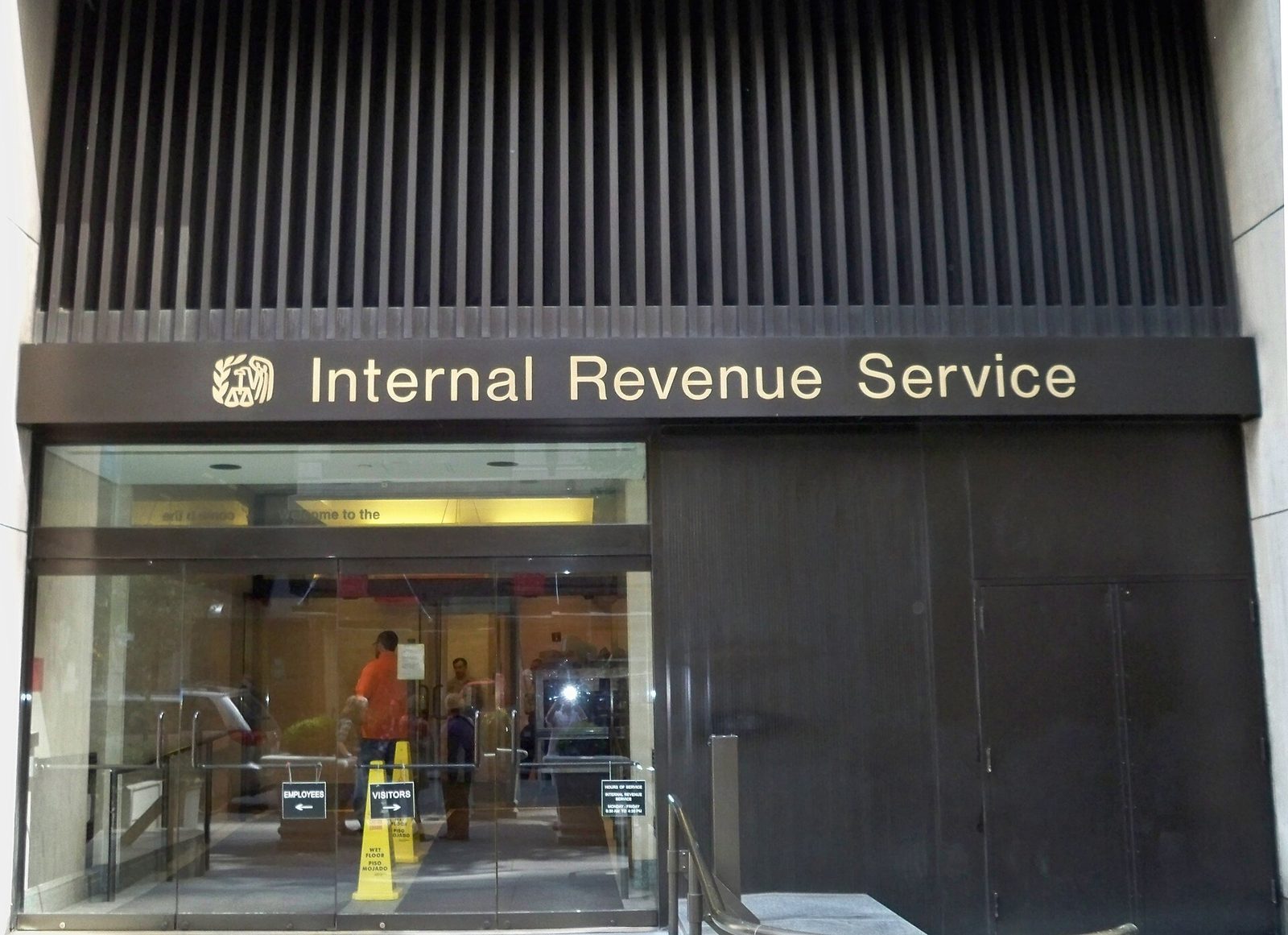
6 Western Alternative2 Other1 AsianPhoto: Matthew G. Bisanz, CC BY-SA 3.0 · Cropped for layout
This article is an automated aggregation of coverage from news outlets. Our editorials offer in-depth analysis curated by the NewsCord team.
IRS to revise voluntary disclosure program, lowering penalties including crypto-related cases. Resolution targeted within 120 days of completing required filing.
9 outlets told this the same way.
Outlets did split on U.S. State Department Officials Back Bolsonaro Clan in Brazil Election, Push Sanctions →
IRS speeds up disclosures
The Internal Revenue Service plans to release a revised voluntary disclosure program before December that would lower penalties and target case resolution within 120 days after a taxpayer completes the required submission. Jarod Koopman, the agency's Criminal Investigation chief, said digital assets would stay inside the same framework used for other tax noncompliance rather than getting a crypto-specific process.
The IRS said it would not disclose the timing and the size of the penalty reduction, and it also did not publish penalty rates, eligibility terms, or an effective date. The IRS described the current voluntary disclosure process as one that can take a year or more, with the new approach aiming to start the clock once a taxpayer completes the submission package.
What changes for crypto
Jarod Koopman told attendees at the UCLA Extension Tax Controversy Conference that the IRS would handle digital assets through the same voluntary disclosure procedures used for other forms of tax noncompliance. The IRS said the overhaul would reportedly not establish a separate disclosure process for digital assets, and it would instead route crypto omissions through the same voluntary disclosure machinery.
The IRS said penalties under the revised program would be substantially lower than they are now, while it did not provide specific figures. The IRS also indicated it was weighing more flexible ways to retire unpaid balances, including installment agreements and offers in compromise.
Congress adds a parallel track
Congress is advancing a separate mechanism through Section 502 of the Digital Asset Tax Certainty Act, H.R. 10357, which would create a statutory disclosure route for digital-asset taxpayers.
The House Ways and Means Committee advanced the bill 38-5 in September, and the proposal would require the Treasury Department to stand up a Digital Asset Voluntary Disclosure Program within 12 months of enactment.
The bill would let eligible taxpayers amend earlier returns and clear tax, interest, and program penalties, and it would include a lower-penalty track for non-willful violations.
The IRS program, by contrast, would remain an administrative remedy for willful conduct, and it would not guarantee immunity for applicants who come forward to disclose truthfully and completely.