Iranupdated 1h ago3 min read
Archive photo · 25 February 2026Trump Pushes Economic Pressure, But US War Costs Hit American Households With $2,000 Burden
3 West Asian1 Israeli1 OtherPhoto: The Eloquent Peasant, CC0 · Cropped for layout
This article is an automated aggregation of coverage from news outlets. Our editorials offer in-depth analysis curated by the NewsCord team.
U.S. economic pressure seeks Iranian nuclear concessions amid intensified military pressure. Iranian living conditions deteriorate due to economic pressures and ongoing regional war.
5 outlets told this the same way.
Outlets did split on Iran Speaker Mohammad Bagher Ghalibaf Skips 12th BRICS Parliamentary Forum In New Delhi →
Pressure, war, and costs
محمد حسین لطفالهی said the consequences of the military aggression of 9 Esfand 1404 by the United States and Israel have affected Iran, the United States, and many other countries, while no mutually acceptable negotiated settlement to end the war has been reached. فواد ایزدی, a professor of American Studies at the School of Global Studies and associate professor at Tehran University, argued that “the only way out of the current situation is to raise the economic risk for the other side.” دونالد ترامپ, the President and Commander-in-Chief, was described as the main advocate of bringing Iran to the point of defeat, while the article said opposing currents and critics of the government in Iran also pursue imposing costs on the United States in Iran.
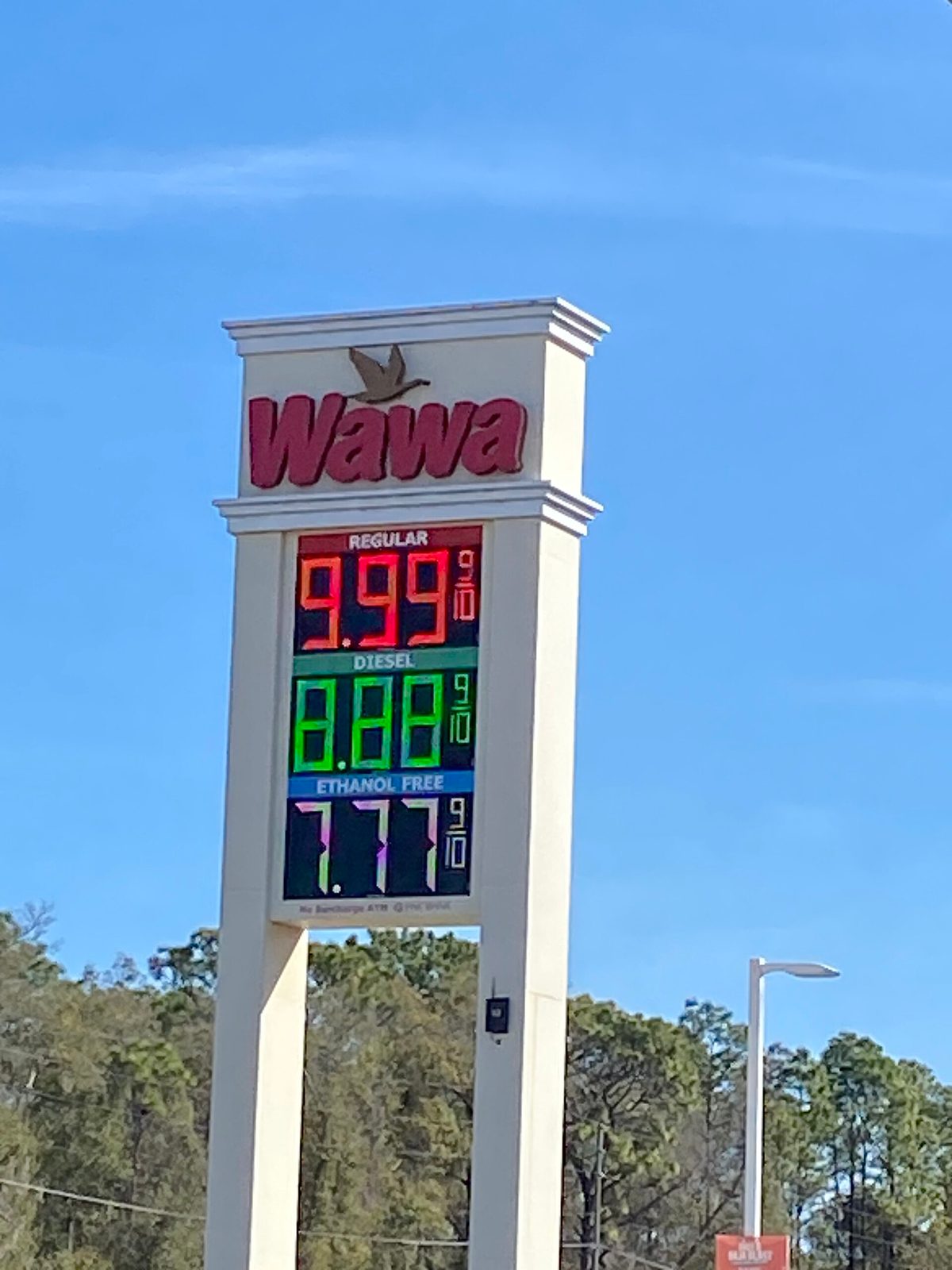
پیت هگست predicted that about 50,000 American service members stationed in the region would remain there at least until early 2027, and the Congressional Budget Office estimated direct war costs at around $38 billion in September. Mark Zandi estimated in early October that the war’s costs imposed nearly $2,000 on every American household and erased roughly half of American household income growth, while gasoline and diesel prices rose by 43% and 68% respectively compared with pre-war levels.
Border closures and blockade
U.S. pressures exacerbate Iran’s economic crisis to push it toward “nuclear concessions,” describing a period when Tehran rejects Washington’s demands to discuss the nuclear file. Iraq closed last Wednesday the border crossing named "الشيب", and Pakistan barred entry of trucks coming from Iran through two major border crossings, namely "غابد" and "تفتان", citing security considerations. A spokesperson for the Pakistani Foreign Ministry told reporters, "As a responsible member of the international community, Pakistan adheres to, and will continue to adhere to, all applicable sanctions regimes, according to international and domestic laws."
Ehsan Melkazadeh, head of the Iranian Association of International Transport Companies, stated that 17,000 trucks were waiting at Iran's borders with Turkey, Afghanistan and Azerbaijan, where waiting times typically reached 20 days. The Iran Truckers' Union said on Tuesday that some drivers were forced to abandon their fruit shipments and other agricultural products.
Living conditions and escalation
Masoud Bazhkhian acknowledged hardships of living conditions faced by citizens in Iran, stressing that broad segments of society are struggling to secure their basic food needs. جريدة القدس said Bazhkhian explained that this suffering directly results from escalating economic pressures linked to the state of war affecting the region and its ongoing repercussions, and he called for an end to the state of “no war, no peace” dominating the current Iranian scene. The same source said the U.S. ambassador to Turkey hinted at the possibility of renewed military strikes against Iran at any time, further increasing regional tensions.
American economic pressures have not compelled Iran to back down from escalation in the Strait of Hormuz, and Abdullah said these pressures have limited impact on changing the behavior of hardline currents inside Iran, especially the Revolutionary Guards. rising oil prices neared $116 per barrel, and the journalist claimed Tehran may intensify the use of pressure on navigation in the Strait of Hormuz as the midterm American elections approach, scheduled for November 3, 2026.