Gaza Genocide22 July, 20263 min read
Israel Begins Digging Crocodile Trenches Around Ketziot Prison Wing Holding Hamas Detainees
This article is an automated aggregation of coverage from news outlets. Our editorials offer in-depth analysis curated by the NewsCord team.
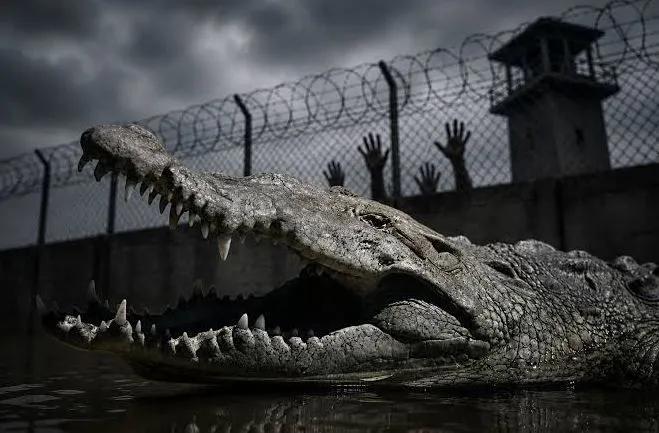
Construction began at Ketziot Prison to dig approximately 170-meter crocodile trenches around a wing. Itamar Ben-Gvir advances plan to deploy Nile crocodiles around Ketziot Prison.
The National was read line by line by the Watchdog: 4.3. See the score →
Crocodile moats at Ketziot
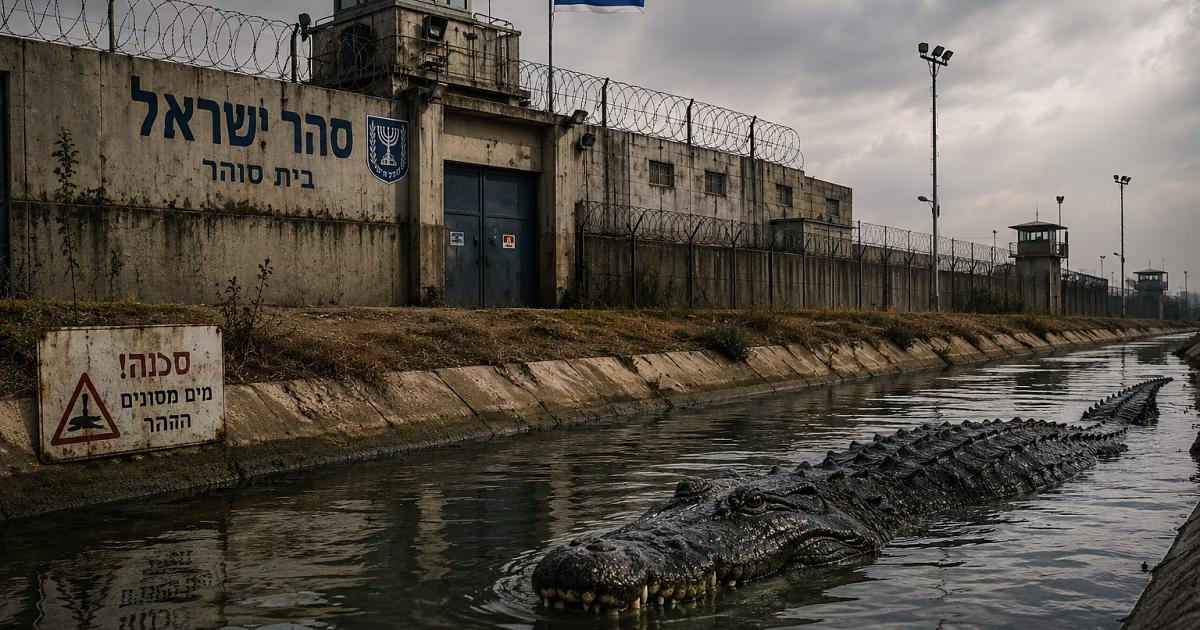
Israeli authorities have begun digging trenches intended to hold crocodiles around a high-security wing at Ketziot Prison in southern Israel, where Hamas detainees are held, as Israeli media reported on Wednesday. The trenches are set to extend about 170 meters and are being constructed inside the prison complex so they cannot be seen from outside, according to Yedioth Ahronoth as cited by News.Az and Anadolu Agency. A local official from the Ramat Negev Regional Council said, "No one knows if there will actually be crocodiles there, but preparations are being made," describing the work as taking place within the prison grounds.
Israel’s National Security Ministry confirmed that work has begun on channels designated for crocodiles, while Environmental Protection Minister Idit Silman’s decision to classify the Nile crocodile as a "domesticated wild animal" reportedly overruled objections from legal advisers and environmental experts within her ministry. The project has been allocated 21 million shekels (about $6.3 million), and the Israeli Prison Service has prepared plans for housing, supervising and caring for the animals, with prison staff receiving training to manage them.
Ben-Gvir backs the plan
National Security Minister Itamar Ben-Gvir’s office said Silman’s decision "paved the way for the project" and described the effort as a pilot phase officially beginning in one wing of Ketziot Prison. Ynet reported that the National Security Ministry said 21 million shekels ($6.3 million) had been allocated to build the channels and that the Israel Prison Service welcomed the move as easing the burden on prison officers guarding Nukhba terrorists. In a statement quoted by Ynet, Ben-Gvir’s office argued, "Anyone who murdered, massacred and raped and behaved like an animal deserves to be guarded by an animal just like them."
Opposition inside Israel came from the Nature and Parks Authority, which held an emergency meeting Tuesday and, according to Yedioth Ahronoth as cited by News.Az, participants unanimously opposed the proposal. The controversy also drew criticism from human rights groups, with Middle East Monitor citing that Palestinian prisoner institutions say the number of Palestinians held in Israeli prisons has risen 83% since the start of the Gaza war in October 2023, exceeding 9,600 detainees compared with around 5,250 before the war.

Legal, environmental, and detention stakes
The project’s legal and environmental objections were highlighted by Ynet, which said the Nature and Parks Authority council held a special meeting Tuesday to discuss the use of crocodiles by the prison service and that all participants opposed the proposal. Ynet also reported that experts warned there was "no precedent or professional basis for using crocodiles to secure prisons" and that the proposal may conflict with existing law, while the Nature and Parks Authority said such wildlife could legally be held only for education, research or public information. In parallel, the plan is tied to Israel’s detention system for Palestinian security detainees from Gaza and the West Bank at Ketziot, which is described as Israel’s largest prison and as housing Palestinian “security” detainees.
The Siasat Daily linked the crocodile-trench project to a reclassification decision on July 19 by Environmental Protection Minister Idit Silman, shifting regulatory oversight from the Israel Nature and Parks Authority to designated security bodies including the Israel Prison Service. The same Siasat Daily article said human rights organisations have raised concerns over conditions in Israeli detention facilities, citing allegations of physical abuse, denial of medical care, prolonged solitary confinement and other punitive measures.