Gaza Genocide04 February, 20263 min read
Israel Bombs Northern Gaza After Palestinian Resistance Injures Israeli Officer, Vows Harsh Retaliation
This article is an automated aggregation of coverage from news outlets. Our editorials offer in-depth analysis curated by the NewsCord team.
Israeli officer seriously wounded by gunfire near Gaza's northern Yellow Line Israeli strikes killed about 19–20 Palestinians, including children and paramedics
7 outlets told this the same way.
Outlets did split on Thousands March in London Calling for Britain to Stop Arming Israel and Impose Sanctions →
BBC was read line by line by the Watchdog: 2.5. See the score →
Israeli strikes after officer wounded
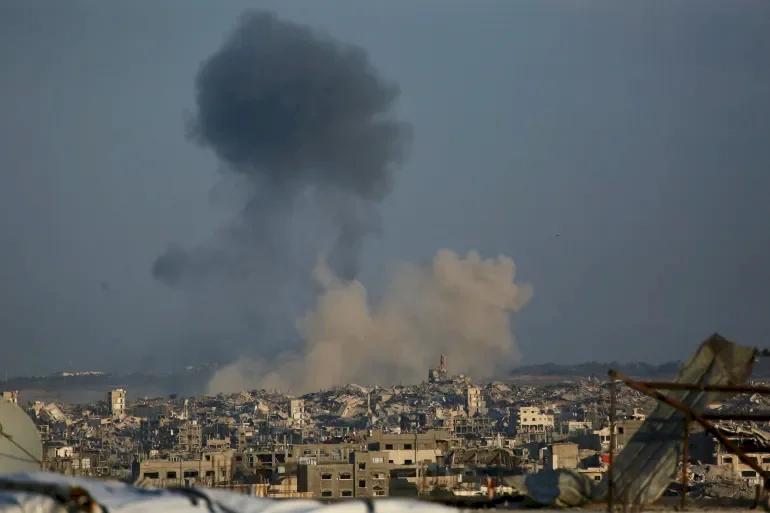
Israeli forces struck northern Gaza after an Israeli army officer was seriously wounded when gunmen fired at a force near the Yellow Line. Israel responded by shelling and striking areas in Gaza with artillery and air strikes. Al-Jazeera reported the officer was seriously wounded, described Israel’s action as a breach of the ceasefire, and said Israeli media reported that Israel 'prepares a harsh military response'.
“An Israeli army officer was seriously wounded Wednesday after gunmen fired at an Israeli force near the Yellow Line in northern Gaza.”
Haaretz reported Israeli airstrikes and artillery were launched after militants 'severely wounded an IDF reserve officer'. The Saudi Gazette said Israel’s military reported that armored units and aircraft struck sites in northern Gaza after a reserve officer was shot and seriously wounded near the 'yellow line', calling the strikes a precise response to a truce violation. Together, these sources indicate Israel initiated bombing and shelling in northern Gaza as retaliation for the officer’s wounding.

Gaza casualty reports
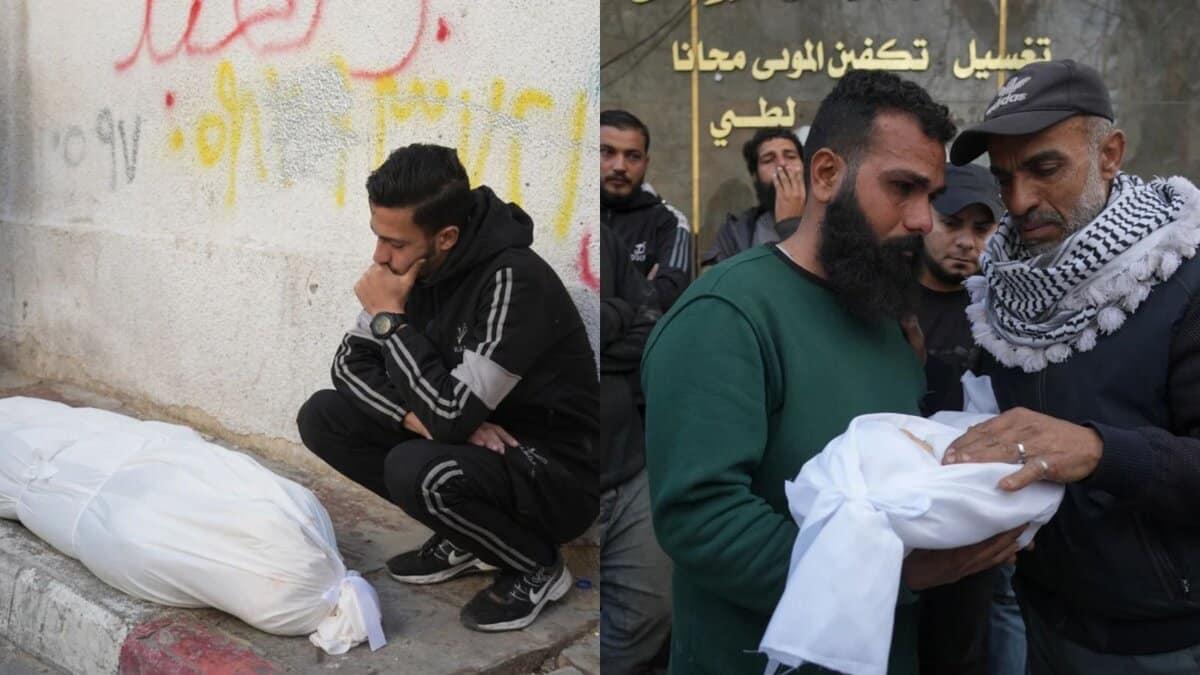
Al Jazeera cited Palestinian health and emergency sources saying at least nine people were killed in strikes early Wednesday in Gaza City and Khan Younis, including children and tents sheltering displaced people. Haaretz's medical sources reported 18 people killed across the Gaza Strip after the same Israeli strikes.
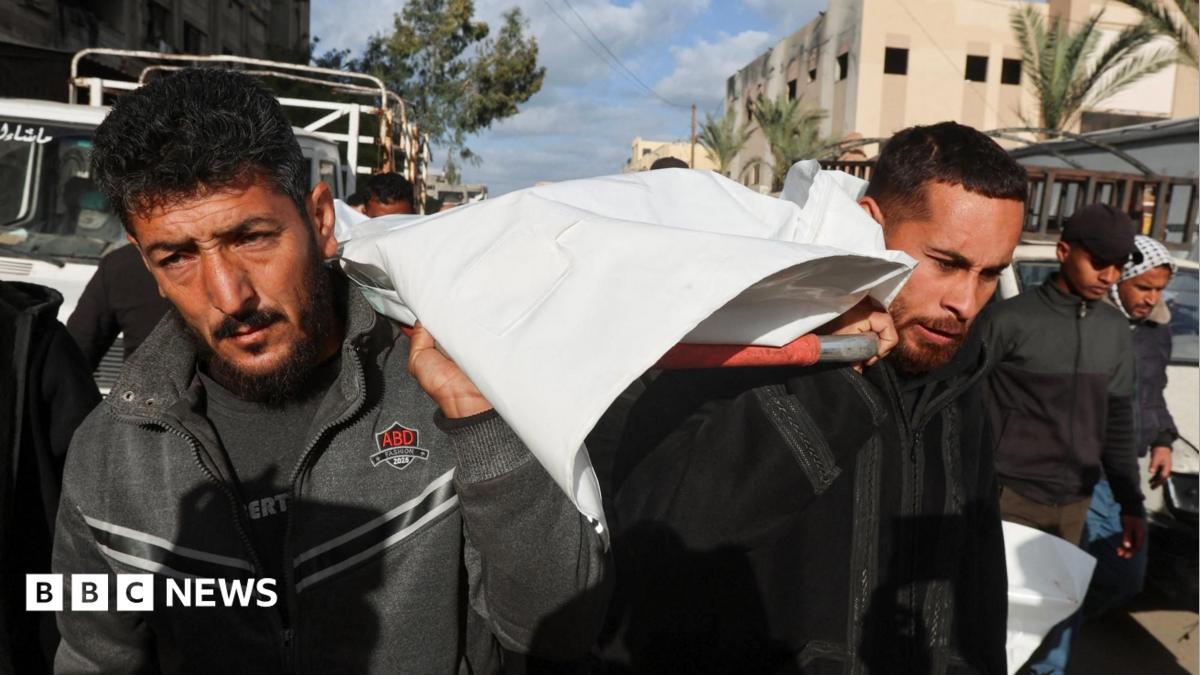
The Saudi Gazette described one of the deadliest days since the truce, reporting at least 20 Palestinians killed and bodies delivered to Al-Shifa and Nasser hospitals. These reports attribute the deaths to Israeli airstrikes, artillery and shelling in northern Gaza.
Ceasefire violations overview
Both sides have accused the other of near-daily ceasefire violations. Israel says its strikes were precise responses to truce breaches and that it is preparing a harsher military response. Palestinian authorities and rescue services report civilian deaths and denounce attacks on hospitals and displaced people.
“Since the ceasefire began, both Israel and Hamas have accused each other of near-daily violations. Gaza’s Hamas-run health ministry says Israeli fire has killed at least 529 people...”
Major outlets highlight competing narratives: Al Jazeera reported the army called an attack a breach of the ceasefire, the Saudi Gazette recorded near-daily accusations and strikes hitting tents and hospitals, and the BBC noted Hamas accused Israel of using incidents as a pretext for renewed attacks. The Palestinian Red Crescent denounced the killing of medical staff as a breach of international humanitarian law. Collectively, these reports show active Israeli bombing of Gaza alongside Palestinian services reporting civilian harm and mourning casualties among hospital patients and displaced people.
Political and operational context
The broader political and operational context remains unresolved and is emphasized differently across sources. Siasat highlights ceasefire 'progress' including the release of all hostages and freer humanitarian flows but stresses major items remain unresolved, such as an international security force, Hamas disarmament, and Gaza’s reconstruction, and says the U.S. provided no timeline. BBC reports the Rafah crossing has been reopened and that Gazans reported checks by militias when returning.
Haaretz places the violence amid Israeli domestic turmoil and legal moves, reporting the High Court’s show-cause order and other domestic protests and implying internal Israeli politics factor into operational choices. Together, these accounts show Israeli bombing occurs against a backdrop of stalled political solutions and domestic Israeli pressures.
Media coverage differences
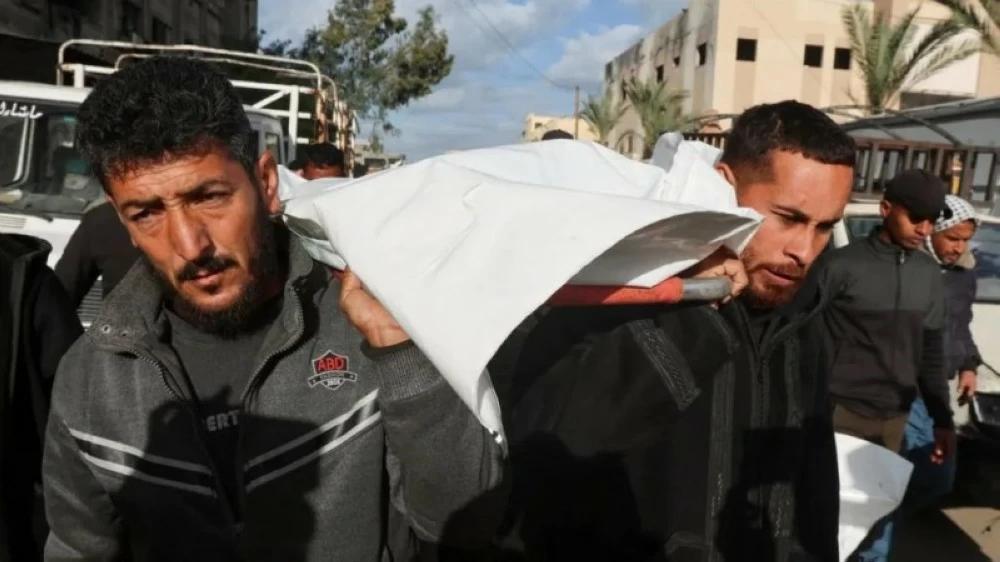
Across these reports there are clear differences in data, tone and focus that shape public understanding. West Asian outlets (Al-Jazeera, Saudi Gazette) foreground Palestinian casualty reports and describe Israel’s direct bombing. Haaretz (Israeli) foregrounds the wounded soldier and Israeli justifications while also reporting civilian deaths.
“Official Palestinian figures cited in the report say that since the ceasefire took effect, 526 Palestinians have been killed and 1,447 wounded by Israeli gunfire.”
BBC (Western mainstream) frames the incident within reciprocal violations and mentions investigations and legal complaints. The result is inconsistent casualty tallies (526, 529, 556 since the ceasefire, and over 71,800 since the war began) and divergent emphases—some sources report hospital and displaced-person deaths in detail, others stress the military justification. Readers should note these contradictions and that casualty totals and framing vary by source.