Full story
Deaths and displacement surge
Israeli attacks on Lebanon since October 2023 have killed 8,920 people and injured 30,595 others, according to the Lebanese Ministry of Public Health, which said the figures were reported in a statement on Saturday.
“killed 8,920 people and injured 30,595 others”
The same statement said the numbers included 4,358 deaths and 12,359 injuries recorded since March 2, and it also said there had been 179 Israeli attacks on ambulance crews since March 2, killing 135 healthcare workers.
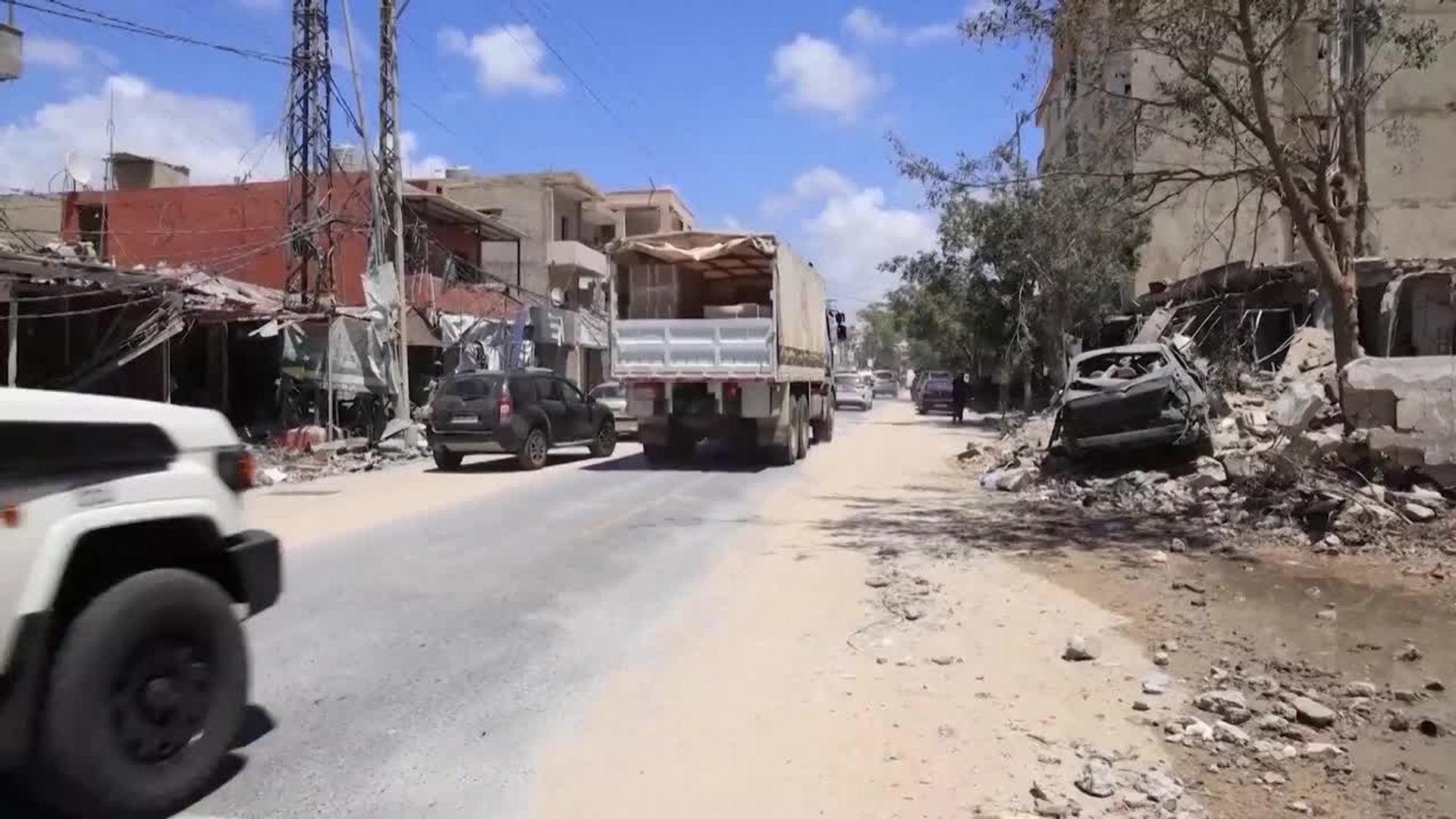
On that day, an Israeli strike on Beirut killed 31 people following a Hezbollah rocket that targeted northern Israel, while an Israeli air strike on Kfar Reman in southern Lebanon killed three people and injured 23 others.
The Al Jazeera report also said that on early Sunday, Israeli warplanes bombed Zawtar al-Sharqiyah in southern Lebanon, as the violence escalated across southern Lebanon despite two US-brokered “peace” agreements signed in June.
It added that UNHCR said 360,000 people remained displaced by Israeli aggression in August, including at least 22,000 living in collective shelters.
Strikes, drones, and warnings
In a separate account of the latest fighting, RTE.ie said four people, including two women, were killed and 20 others were injured after the Israeli military launched strikes on southern Lebanon, its health ministry said.
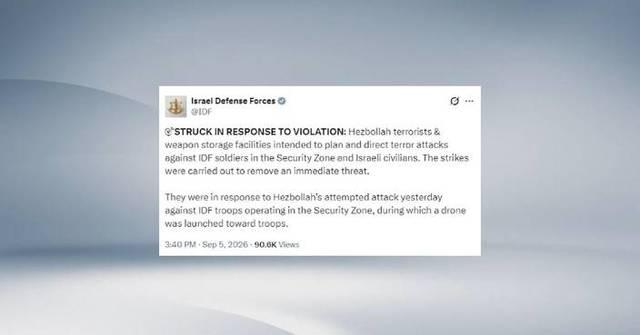
RTE.ie reported that the Israeli military said it was carrying out strikes after Hezbollah launched drones at its soldiers, and it urged residents of the town of Arab Salim to evacuate.

The Israeli military statement quoted by RTE.ie said, "Terrorists from the Hezbollah terrorist organisation launched two drones towards IDF soldiers operating in the Security Zone in southern Lebanon," and it added that there were no reports of Israeli soldiers wounded.
RTE.ie also said Lebanon’s health ministry reported two people were killed in south Lebanon's Nabatieh al-Fawqa and two women were killed in Arab Salim nearby, while the 20 wounded were in several locations and included women and three children.
The same report said Israeli forces are operating inside a self-declared "security zone" around 10km deep inside Lebanon along the border, as Lebanon said the war has killed more than 4,300 people.
Framework, occupation, and next steps
Al Jazeera said the June 26 framework agreement was contingent on Hezbollah’s disarmament, and it reported that Hezbollah leader Naim Qassem rejected the framework agreement, calling it “null and void”, demanding that Israel first end its occupation.
“Hezbollah leader Naim Qassem rejected the framework agreement, calling it “null and void””
The report also said the agreement did not specifically call for the withdrawal of Israeli forces in southern Lebanon, while Israel maintained its military occupation of southern Lebanon since March when it announced it was installing a “buffer” zone.
It added that on Friday, Israeli raids and artillery shelling targeted seven towns in the Tyre and Nabatieh districts, and there were no reported casualties.
In parallel, teleSUR reported that Israeli authorities were discussing a plan to reduce troops in southern Lebanon and implement a new militarized security zone, with Israel’s public broadcaster KAN saying the military plan was named “gray line.”
teleSUR said the Israeli army was evaluating a new security zone that would extend 2 to 4 kilometers into Lebanese territory, and it reported that the initiative was made public after Israeli Defense Minister Israel Katz stated on Friday that the armed forces consolidated control over a security zone in southern Lebanon.