Lebanon · 29 July, 2026 · 3 min read
Israeli Forces Withdraw From Southern Lebanon as Lebanon Deploys Army Under US Framework
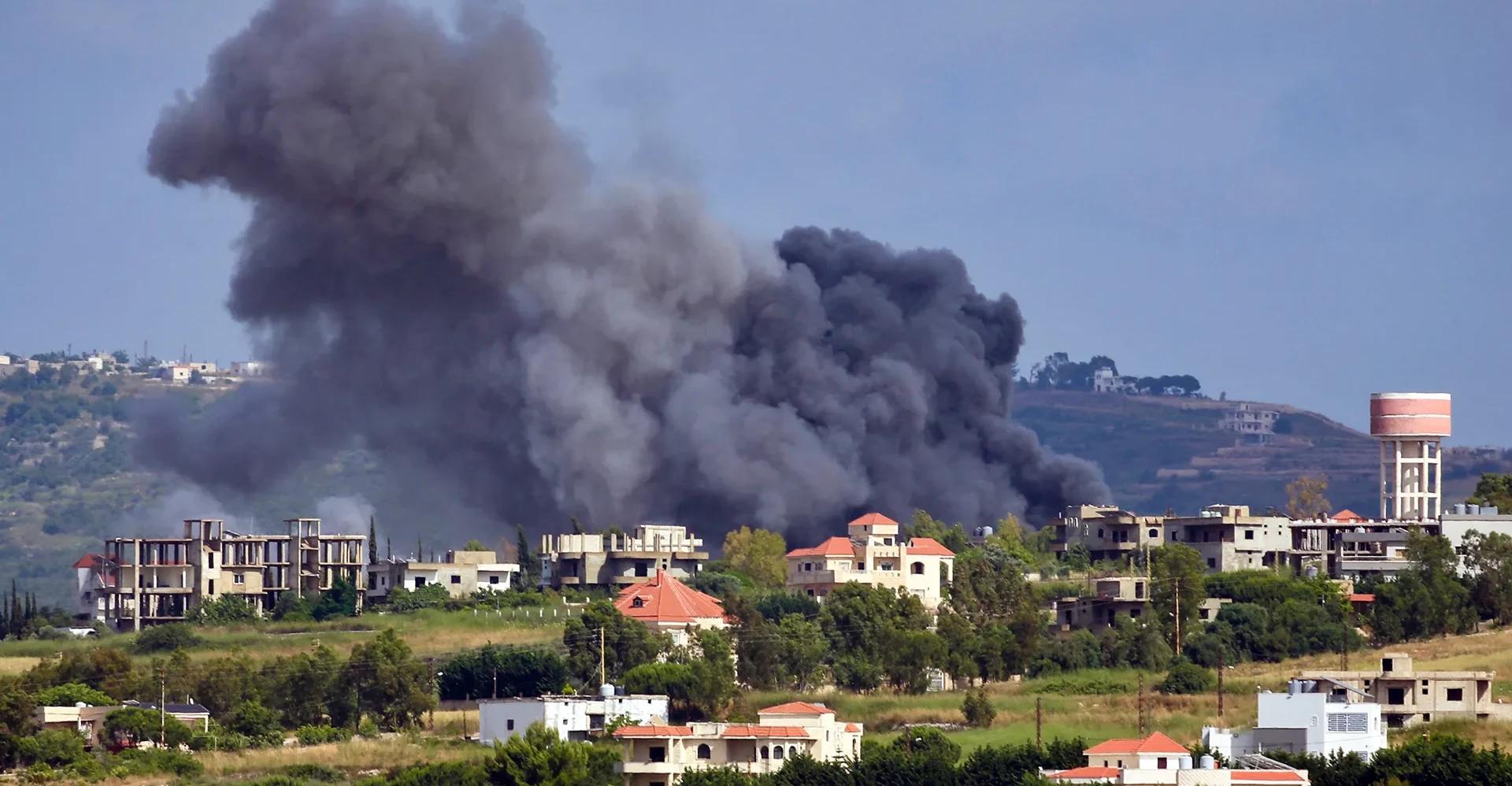
Israeli bombardments continue in southern Lebanon, hitting Nabatieh, Zawtar al-Gharbiya, and Majdal Zoun. Sixth round ended; US-mediated framework remains in play.
Who violated the Lebanon framework during Israeli strikes.
9 of 10 outlets skipped it: al-Qard Al-Hasan bank revival in Tyre is opposed.
Ynetnews was read line by line by the Watchdog: 5.5. See the score →
25outlets compared
Same story, two versions
tap a side to read it in full
The National
“This is despite the supposed truce between Hezbollah and the Israeli military”Read the original ↗
Shafaq blames Hezbollah cite; The National frames Israeli demolitions as truce violations.
Framework, pilot zones, and tests
Lebanon’s President Joseph Aoun met US President Donald Trump in Washington on July 21 as a US-brokered framework between Lebanon and Israel entered an early and delicate implementation phase centered on Hezbollah’s weapons, strengthening the Lebanese Armed Forces, and securing an Israeli withdrawal from Lebanese territory.
“Aoun’s July 21 meeting with President Trump in Washington”
Israeli forces began withdrawing from designated areas in southern Lebanon, allowing Lebanese army units to deploy as part of a pilot model intended to test whether the state can progressively assume exclusive security responsibility, with expansion described as gradual and dependent on the broader framework.

Marwan Abdallah, head of the Foreign Affairs Department at the Lebanese Kataeb Party, said the process would require continued external guarantees and pointed to the Lebanese army taking control of two areas in South Lebanon “as per the framework agreement.”
Joe Truzman, a Middle East independent analyst, described the pilot zones as a test of whether the Lebanese state can become the sole security authority in the south while preventing Hezbollah from re-establishing an armed presence, adding that “the Lebanese government’s previous disarmament efforts stalled and produced only partial results in the south.”
Drone accusation and shelling
In southern Lebanon, the Israeli military on Wednesday accused Hezbollah of violating the ceasefire after the group allegedly targeted an Israeli engineering vehicle with an explosive drone in the Ali Taher Ridge area inside the “Security Zone,” with the military saying the drone struck an engineering vehicle operating overnight and left no soldiers injured.
Shafaq News reported that Lebanese media described artillery shelling around Ali Taher Ridge and Nabatieh Al-Fawqa in Nabatieh District, bulldozing near Kfar Shouba in Hasbaya District, drone strikes on Yater in Bint Jbeil District, and explosions near Majdal Zoun in Tyre District, alongside reconnaissance flights over Beirut and its southern suburbs.S

The Shafaq News account also said Israeli attacks between March 2 and July 28 have killed 4,333 people and wounded 12,236 others, according to Lebanon’s Health Ministry.S
It added that Hezbollah had not commented on the allegation at the time of publication, while Israeli media, citing a security source, indicated officials were weighing a response and identified the vehicle as a D9 armored bulldozer that caught fire after the strike.
Violence continues despite talks
Despite the US-mediated framework agreement signed on June 26, Anadolu Ajansı said the Israeli army carried out a massive explosion Tuesday in the southern Lebanese town of Majdal Zoun in Tyre, without giving details about the nature of the explosion or whether it caused casualties or damage.
“The Israeli army carried out a massive explosion Tuesday in the southern Lebanese town of Majdal Zoun”
Anadolu Ajansı said Majdal Zoun is among the areas where Israeli forces continue to maintain a military presence in southern Lebanon despite the agreement, and it noted that on July 21 the Lebanese army deployed in the town of Zawtar al-Gharbiya in the first phase after Israeli forces withdrew.
The National reported that three Israeli drones hit Nabatieh Al Fawqa on Tuesday after the Israeli military demolished homes overnight in multiple areas it occupies, and it said the air strikes hit an apartment building on the city’s southern outskirts.T
The National also quoted UN human rights chief Volker Turk saying Israeli conduct in southern Lebanon—including widespread displacement, destruction of villages, and preventing civilians from returning home—could amount to war crimes, while adding that the Lebanese army accused Israel of preventing it from taking full control of designated pilot zones implemented last week as part of the US-brokered Lebanon-Israel peace framework.T