Financeupdated 1h ago2 min read
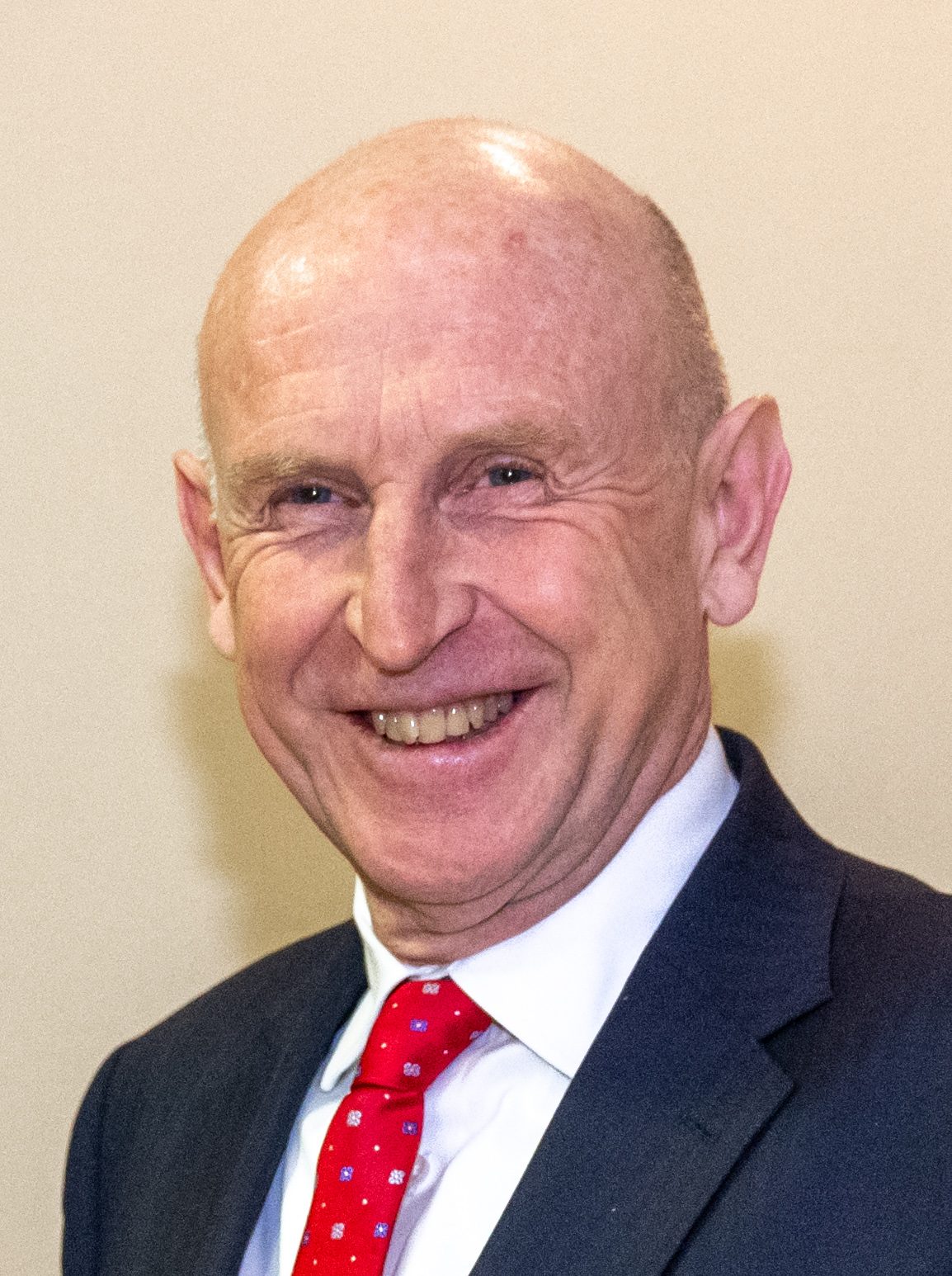
Archive photo · 8 January 2025John Healey Frames Budget 2026 As Flotilla Of Small Measures Amid Challenging Outlook
“the chancellor felt constrained in his capacity to act”
“the Budget fundamentally sets a new pathway for the energy system to deliver cheaper, more secure energy in the long-term.”
Photo: U.S. Secretary of Defense / US federal government, Public domain · Cropped for layout
This article is an automated aggregation of coverage from news outlets. Our editorials offer in-depth analysis curated by the NewsCord team.
Budget labeled a flotilla of small measures, reviewed via a 150-page Red Book and OBR. Measures aim to provide breathing space from rising costs, addressing energy bills, fuel, wages.
A cautious budget package
Chancellor John Healey framed Budget 2026 as a “flotilla of small measures,” while Westminster examined the 150 page Red Book and the Office for Budget Responsibility’s Economic and Fiscal Outlook. Chris Mason said the Red Book contained 98 measures, but “nearly all of them are pretty small in terms of their impact on the Treasury's spreadsheets.”
The Office for Budget Responsibility said the UK’s economic and fiscal position remained “very challenging,” and it warned that “there have been further adverse developments” this year linked to conflict in the Middle East. The Budget book argued that the UK economy was showing signs of resilience, while the OBR said “The outlook for the economy and the public finances is uncertain, with significantly better or worse outcomes of broadly equal probability.”
Household support and taxes
The government said Budget 2026 would give families and businesses “breathing space” from rising costs, with action on energy bills, fuel duty, wages and the everyday cost of living. The government said it would provide a £100 Household Energy Payment for up to 20 million households in bands A to D in England in 2027, and it said the temporary VAT cut on electricity bills would be extended until 1 July 2027.
The government said it would increase the Bank Corporation Tax Surcharge from 3% to 6% for 15 months, before ending on 31 March 2028. The government said it would increase the National Living Wage on 1 April 2027 by 3.9% to £13.21 per hour, and it said this uplift represented an increase of £910 to the gross annual earnings of a full-time worker on the National Living Wage.
Debt, headroom, and forecasts
The Guardian said Healey set out fiscal rules in his speech, including that day-to-day spending must be covered by tax receipts and that government debt must be falling as a percentage of GDP in the third year of the forecast. The Guardian reported that the Office for Budget Responsibility said the government would have £15bn of headroom in 2029-30 and £22bn in 2030-31.
The Guardian said government borrowing would be 4.2% of GDP this year, 3.4% next year, then 2.9%, 2.1% and 1.8% by 2030-31, and it said government debt was forecast to be 83.2% of GDP this year. The Guardian also said the OBR forecast GDP would grow by 1.2% this year, 1% next year, 1.6% in 2028, 1.8% in 2029, 1.7% in 2030 and 1.6% in 2031.