Middle East08 August, 20262 min read
Lebanon Threatens To Suspend Direct Negotiations With Israel Over Full Cease-Fire Conditions
This article is an automated aggregation of coverage from news outlets. Our editorials offer in-depth analysis curated by the NewsCord team.
Round in Rome failed to reach agreement on expanding Israel withdrawal zones in southern Lebanon. Lebanon warned it may suspend direct negotiations with Israel amid stalled progress.
Rome talks stall
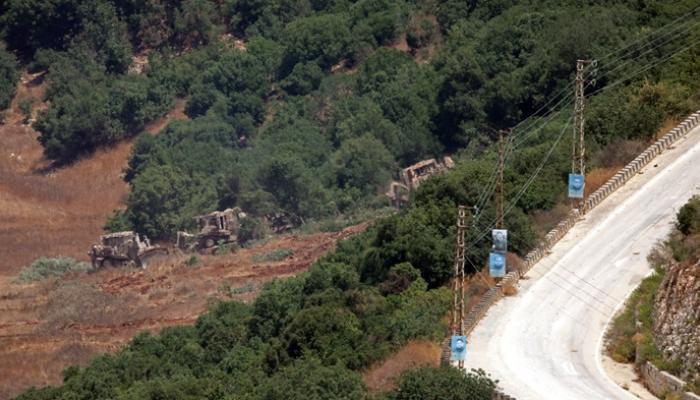
Lebanon threatened to suspend direct negotiations with Israel unless Israel accepts Lebanon’s conditions, with a new round of talks in Rome in early September described as not yet confirmed. A source close to the Lebanese delegation’s leadership said, "There will be no new negotiations unless Israel accepts Lebanon's conditions," adding that the conditions include a full cease-fire and an end to destruction and earthworks carried out by the Israeli army.
The seventh round of Lebanon–Israel negotiations in Rome ended without an agreement on expanding Israel’s withdrawal zones in southern Lebanon, with the Lebanese side insisting on new withdrawal areas while Israel conditioned progress on "verification" of Lebanon’s full control over the first two areas. France 24 reported that a source told Agence France-Presse, "we did not reach final results regarding the model areas," as Lebanon insisted on moving to new areas and Israel insisted on verifying control before the next phase.
Competing reactions
Lebanese President Joseph Aoun said the Rome talks yielded "positive progress" on border disputes and prisoner exchanges, while stressing that a major diplomatic effort remained necessary to achieve a durable ceasefire. Anadolu Ajansı quoted Aoun saying, "positive progress" had been made on border and prisoner dossiers, expressing hope that concrete measures would follow soon.
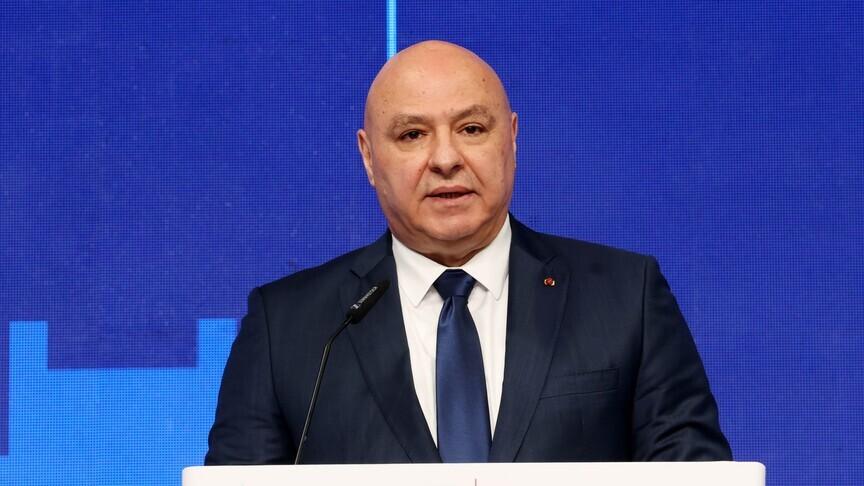
Hezbollah chief Naim Qassem rejected the negotiations, describing the talks as part of a series of losing concessions that the Lebanese government is making to Israel, according to News On AIR. In parallel, Asharq Al-Awsat reported that Mohammad Khawaja said Lebanon had entered a phase of "open-ended negotiations," with Israel turning dialogue into an end in itself without offering political or military concessions.

What comes next
The next phase of talks was framed around pilot zones and verification mechanisms, with Lebanon maintaining its demand to establish new "pilot zones" and continuing to propose Khiam and Bint Jbeil.
L'Orient Today reported that Lebanon would not take part in the next round of talks scheduled for early September unless its conditions were met, with Beirut making participation conditional on Israel accepting its demands.
France 24 said a short list of countries for a verification committee was discussed during the Rome round, and it reported that a U.S. State Department spokesman described the round as "positive" and said the two sides "are much closer to expanding the experimental area and moving forward with it."
The stakes were also described in terms of implementation of the framework agreement signed on June 26, which stipulated disarmament of Hezbollah and gradual withdrawal of the Israeli army in exchange for Lebanese army deployment starting from two experimental areas.