Iran10 August, 20262 min read
Masoud Pezeshkian Says Ayatollah Mojtaba Khamenei Urged Unity During Seven-Hour Meeting
This article is an automated aggregation of coverage from news outlets. Our editorials offer in-depth analysis curated by the NewsCord team.
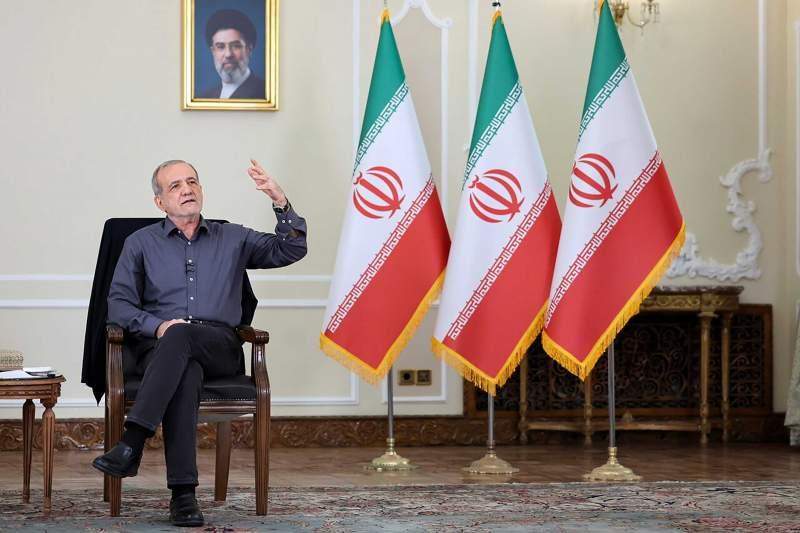
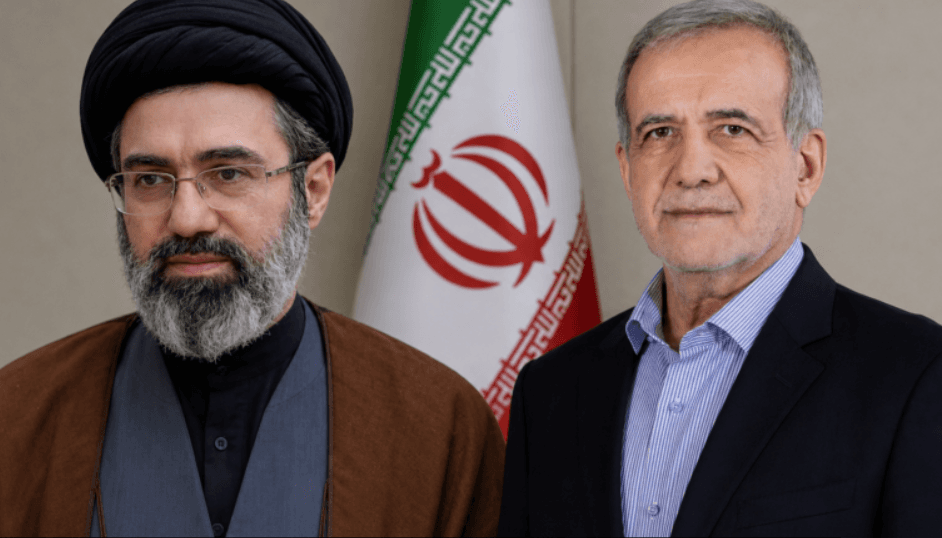
Seven-hour meeting between President Pezeshkian and Leader Ayatollah Khamenei. They discussed livelihoods, market conditions, employment, housing, and sanctions impacts.
8 outlets told this the same way.
Outlets did split on Iran Reviews US Negotiation Proposals As Pakistan And Qatar Mediate Strait Of Hormuz Dispute →
Seven-hour meeting details
Iran’s president Masoud Pezeshkian said he held a nearly seven-hour meeting with Ayatollah Mojtaba Khamenei, describing it as covering “people’s livelihoods, the state of the market, employment, people’s housing” and “problems that are now being created as a result of the (U.S.) sanctions.” Pezeshkian told IRIB that the most important emphasis from Khamenei was unity, saying, “All of the enemy’s plans are aimed at creating division,” and adding, “What we have to do is prevent divisions from emerging.”
Other Iranian accounts of the same meeting framed the Leader’s guidance around health and duration, with one saying the Leader was “absolutely healthy” and that someone who can “sit for seven to eight hours” cannot have health problems. In that same account, Pezeshkian said the session was “a very good session” in which they “spoke from every door and raised all the problems,” and he described the meeting as lasting about seven hours.
Unity against sanctions
Pezeshkian’s account tied the meeting’s agenda to sanctions-related pressures, saying the two discussed “problems that are now being created as a result of the (U.S.) sanctions” alongside market and housing issues. He also said the Leader’s recommendation centered on “unity and cohesion,” stressing that “nothing is more important than unity in the current situation” because “one of the main goals of the enemy is to sow discord within the country.”
In a separate report, Masoud Bazsakiyan said the seven-hour meeting with Ayatollah Khamenei focused predominantly on preserving national unity and cohesion as the most important recommendation, and that the two discussed employment, housing, and challenges arising from sanctions. Bazsakiyan added that “enemies intend to escalate divisions,” while emphasizing the government’s determination to use “all efforts to address the people's problems.”

Hormuz and security council
Beyond the meeting, Iran’s Foreign Ministry spokesperson Esmail Baghaei said Iran will not reopen the Strait of Hormuz until the U.S. has met its conditions, stating, “It is up to the U.S. side to stop and make amends for its illegal and destructive actions.” The same report said Iran wants the U.S. to lift the blockade of Iranian ports, pay compensation for months of war damage, lift economic sanctions and release Iran’s frozen assets, while noting that the closure of the Strait of Hormuz has become the war’s most lasting consequence.
On the security front, Iran appointed Mohsen Rezaei, described as a military adviser to its new supreme leader, to head its powerful Supreme National Security Council, and the report said the 71-year-old hardliner threatened American forces with “serious risks and casualties” if the U.S. did not lift its blockade of Iranian ports. The report also said Rezaei replaced Mohammad Bagher Zolghadr, and that Zolghadr would become a political adviser to Khamenei, while Iran on Sunday appointed Rezaei and the Leader’s office later made additional appointments tied to the Supreme National Security Council.