Iran29 August, 20263 min read
Mojtaba Khamenei Remains Unseen, Fueling Iran Leadership Vacuum Six Months Into War
This article is an automated aggregation of coverage from news outlets. Our editorials offer in-depth analysis curated by the NewsCord team.
Six months after airstrikes that propelled him, Mojtaba Khamenei remains almost completely unseen in public. His absence fuels questions about health, authority, and leadership during Iran's wartime decisions.
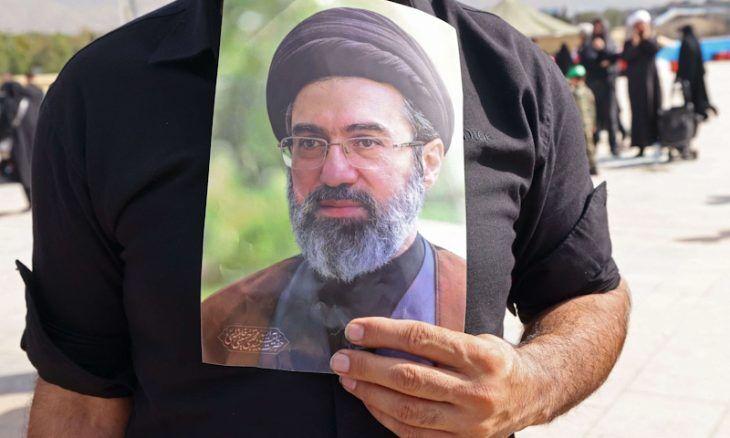
Unseen Supreme Leader
Six months after the airstrikes that began the war and propelled a badly wounded Mojtaba Khamenei into the role of Iran's supreme leader, he remains entirely unseen and unheard by Iranians, leaving a vacuum at the heart of state leadership. The Independent says Iranian officials and senior sources claim Khamenei remains in charge, ruling secretly for security reasons while recovering from disfiguring wounds and delegating daily responsibilities to key figures. The Independent also reports that without photos, videos, or audio messages released since his appointment during the war's first week, Iranians are increasingly doubtful about his standing in a system where the leader's voice is meant to be absolute.
Alex Vatanka of the Middle East Institute in Washington framed the issue as a test of governance, saying, "The question is no longer whether Mojtaba is alive, but whether Iran still has a functioning supreme leader,". Daily Sabah similarly describes Khamenei’s absence as a growing leadership vacuum, noting that he has not appeared in a photograph or video, nor delivered a recorded audio message, since he was appointed supreme leader about a week into the war.

Voices, Doubt, and Control
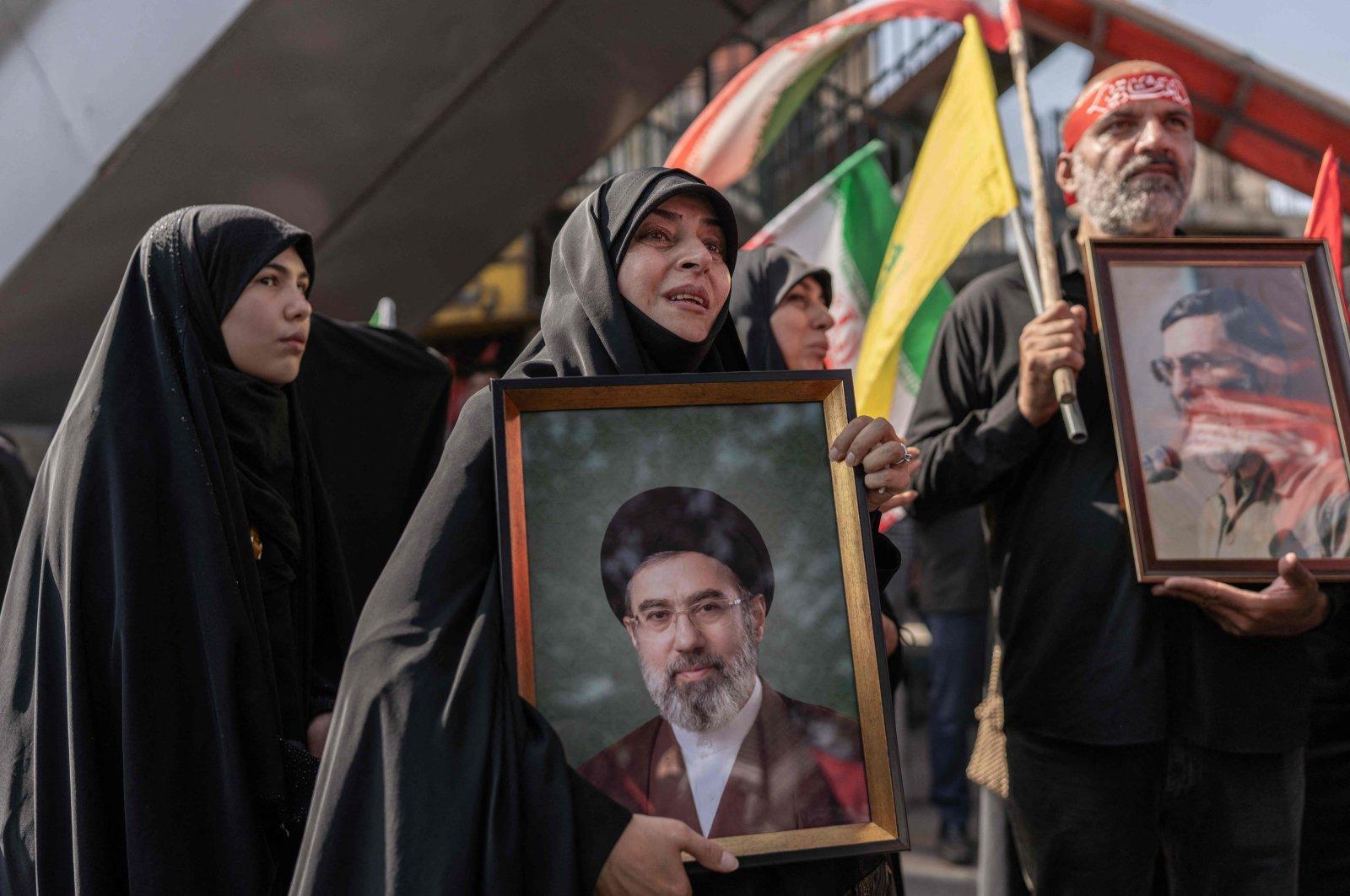
The Independent reports that even hardline supporters are asking for proof of leadership, quoting a member of the Basij volunteer militia in Qom who said, "We need to hear our leader's voice, or see any sign that he is there on top and leading the country to give us more confidence,". In Tehran, a pro-reform businessman named Shahrokh questioned the premise of Khamenei’s continued authority, asking, "How do we know that Mojtaba has not been killed?" The Independent says key officials attribute Khamenei’s absence to fears of assassination and maintain that he meets regularly with top figures, reviews major reports, and makes final decisions on critical issues.
It adds that President Masoud Pezeshkian stated on August 10 that he held a seven-hour meeting with Khamenei, while Revolutionary Guards are described as central to strategy under the Supreme National Security Council. The Independent also quotes Vatanka again, warning that Khamenei’s prolonged absence has created a dangerous situation in which rival factions can all claim to know what the leader really wants.
Stakes for War and Economy
The Independent links the leadership uncertainty to Iran’s wartime and economic pressures, saying Iran faces major decisions over a war spreading across the Middle East while damaging its fragile economy.
It reports that the oil blockade has crushed the rial and threatens a return of mass protests crushed by authorities in January, while the leadership’s stated aim is to protect the state, restore deterrence, and limit economic instability.
The Independent says the Revolutionary Guards have gained further power since the war began, remaining central to strategy under the Supreme National Security Council, and that the leadership circle includes top Guards commanders alongside senior political figures like Pezeshkian and parliament speaker Mohammed Baqer Qalibaf.
In Washington, Vatanka warned that "A genuine deal with Washington requires Mojtaba's unmistakable approval and so does any decision to sustain a long and costly conflict with the United States,".
Awani International adds that after hostilities with the U.S. reignited this week, Taghi, a 47-year-old shop owner in Isfahan, said, "There is a need for the Supreme Leader to be seen. Even if he has been injured, people need to see that there is a leader and that he is running the country."