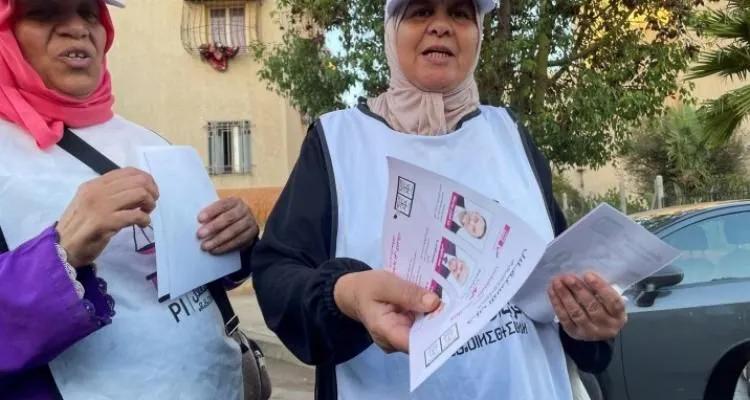
Morocco’s Authenticity and Modernity Party (PAM) won the largest number of seats in the country’s parliamentary election, taking 97 of the 395 seats in the House of Representatives in provisional results announced by the Interior Ministry. Interior Minister Abdelouafi Laftit said PAM led the provisional results with 97 seats, while the National Rally of Independents (RNI) won 66 seats and the Istiqlal Party took 65 seats. The Justice and Development Party (PJD) surged to 54 seats after winning 13 seats in 2021, and voter turnout fell to 38% or 38.02% depending on the outlet’s figure.
The election was held after Moroccans voted for a new parliament on Wednesday, and the vote was described as the first since deadly Gen Z-led protests last year and a mass attempt by migrants to cross Morocco’s northern border into the Spanish territory of Ceuta that left dozens dead. The provisional results set up coalition talks because no single party was expected to capture an absolute majority, with the constitution requiring the king to appoint the prime minister from the party that wins the most seats.
Abdelilah Benkirane, the Moroccan Secretary-General of the Justice and Development Party (PJD), said that “logic dictates” his party should not participate in the government expected to be headed by the Authenticity and Modernity Party (PAM). Benkirane argued that “This is the logical conviction, otherwise we would be playing around,” and he said he was “ready to hear from you if you have another opinion.” The provisional seat distribution showed PAM with 97 seats, the RNI with 66, and the Istiqlal Party with 65, while the PJD recorded a strong return to Parliament with 54 seats.
The same provisional results also placed the Socialist Union for Popular Forces (USFP) at 26 seats and the Party of Progress and Socialism (PPS) at 19 seats, with the Constitutional Union at 17 seats. The Interior Ministry’s announcement of PAM’s lead shifted the focus from the ballot boxes to forming the new government and selecting the person who will head it.
Morocco’s election outcome was framed around economic uncertainty and everyday concerns, and the next government was described as facing pressure to address jobs, wages, and the cost of living. The provisional results also tied the political transition to Morocco’s preparations to co-host the 2030 World Cup, with the next government expected to oversee “billions of dollars in investment” as the tournament bid moves forward. The election was marked by an abstention rate of 61.9% or 61.98% depending on the outlet, with participation reported at 38.08% and 38.02% in different accounts.
The Interior Minister Abdeluafi Laftit said voting took place under “normal conditions, except for isolated cases,” and he said those cases “did not affect the electoral process.” The results left PAM needing coalition support because a party needed at least 198 seats for a majority in the House, and the king would appoint the prime minister from the party that won the most seats.