Technology and Science29 September, 20262 min read
NASA’s Swift Rescue Mission Failed After LINK Malfunction, Swift Re-Entered Atmosphere
This article is an automated aggregation of coverage from news outlets. Our editorials offer in-depth analysis curated by the NewsCord team.
LINK failed to raise Swift’s orbit, leading to inevitable atmospheric re-entry. Katalyst Space Technologies conducted the rescue under a $30 million NASA contract.
5 outlets told this the same way.
Swift rescue fails
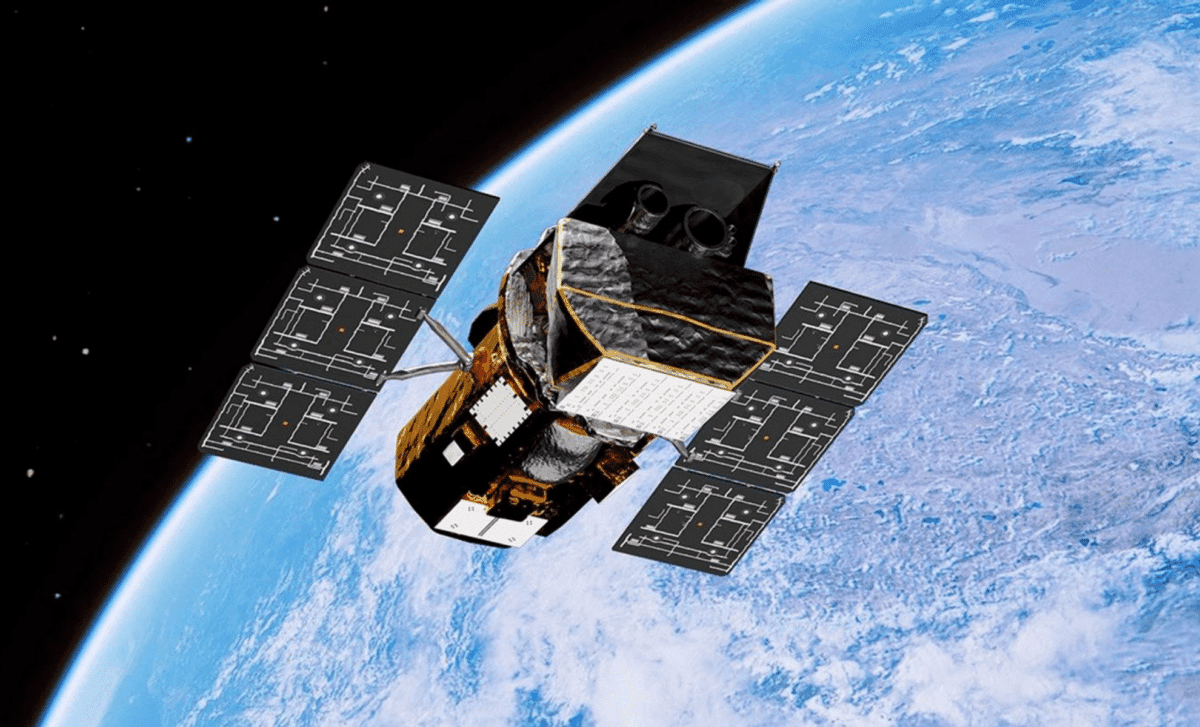
NASA’s Neil Gehrels Swift Observatory began rapidly dipping from its once-stable orbit after a rescue attempt to boost it failed over the summer, leaving the telescope on track to cease science observations as it falls back to Earth. NASA and Katalyst Space Technologies had aimed to use a robotic spacecraft called LINK, developed, built and launched by Arizona-based Katalyst, to grapple Swift and lift it into a stable orbit. Katalyst said LINK launched in July, but a malfunction caused it to spin out of control and NASA announced in August that LINK would not be able to reach Swift as intended, leading to an aborted rescue mission.
Katalyst reported that LINK re-entered the atmosphere on September 25 after 85 days in orbit, and NASA placed Swift at roughly 325 kilometers altitude in its September 25 update. NASA estimated that operating would be more difficult below 300 kilometers, and the observatory was expected to burn up in Earth’s atmosphere during the plunge.
High-risk, high-reward
Shawn Domagal-Goldman, NASA’s Astrophysics Division director, said in a statement that “Without intervention, Swift was going to re-enter the atmosphere by year’s end.” Domagal-Goldman also said the boost effort would be “valuable to the agency on multiple levels — advancing U.S. spacecraft servicing technology, challenging us to meet unprecedented mission timelines, and testing how we operate satellites to extend their time in low Earth orbit.” Katalyst CEO Ghonhee Lee said, “While we did not accomplish every objective we set out to achieve, in less than a year we went from mission concept to launching and operating the first commercial space robot.”
Katalyst explained that an electrical system failure left two of LINK’s three reaction wheels out of service, and LINK used attitude control thrusters that accelerated propellant consumption. Katalyst and NASA determined that LINK no longer had sufficient fuel to safely execute the planned capture and orbit-raising phase of the mission.

What comes next
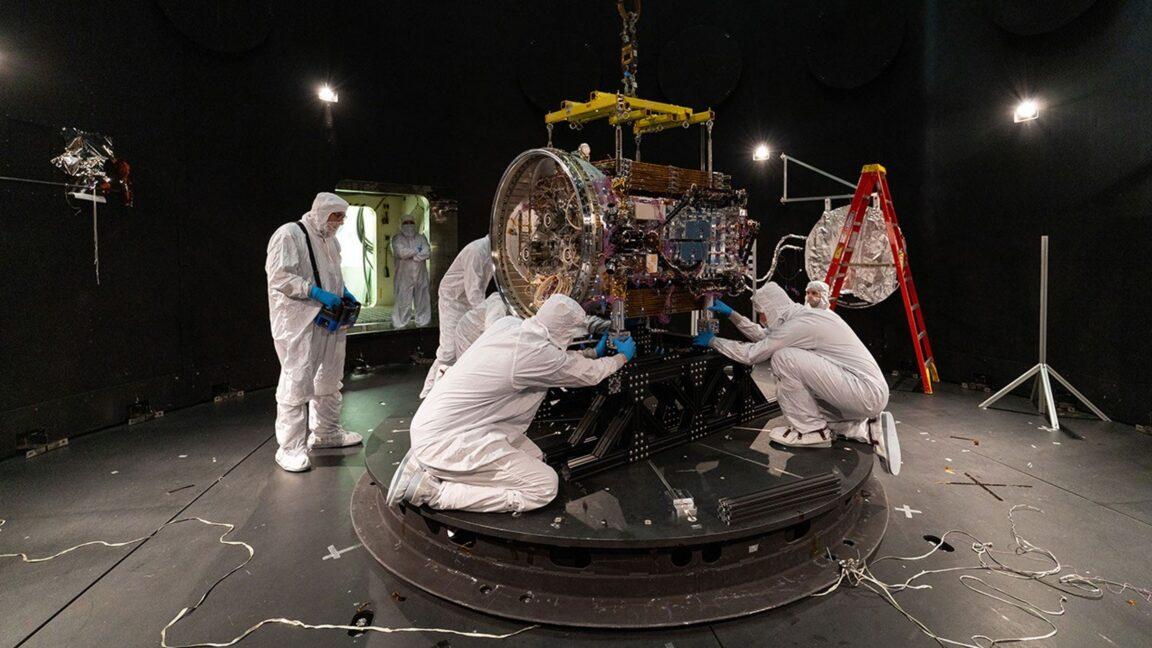
NASA and Katalyst shifted LINK’s objective to system tests and proximity operations after abandoning the Swift recovery, with NASA reporting that the spacecraft approached within 7.5 to 9 miles of Swift. LINK tested its three robotic arms and its three electric propulsion systems, and the mission practiced how a future servicing spacecraft may approach a satellite or telescope. NASA noted that Swift had resumed data collection from its Burst Alert telescope and the automatic pointing of its other instruments, and the resumed scientific activity accelerated orbital decay.
“‘Without intervention, Swift was going to re-enter the atmosphere by year’s end,’ Domogal-Goldman said in a statement.”
NASA anticipated that Swift would re-enter before the end of 2026 if there was no intervention, and the agency forecast that the observatory would reach the more difficult threshold in early or mid-October. Katalyst said it would transfer LINK’s flight data and operational experience to its upcoming space-service missions, framing the failed rescue as a foundation for future servicing.