Middle East08 August, 20263 min read
Oman Warns Attacks On Hormuz Vessels Could Jeopardize Talks As UAE Blames Iran
This article is an automated aggregation of coverage from news outlets. Our editorials offer in-depth analysis curated by the NewsCord team.
Iran attacked ADNOC tanker in the Strait of Hormuz; no casualties reported. GCC states condemn the strike as unacceptable and threaten maritime security and energy supplies.
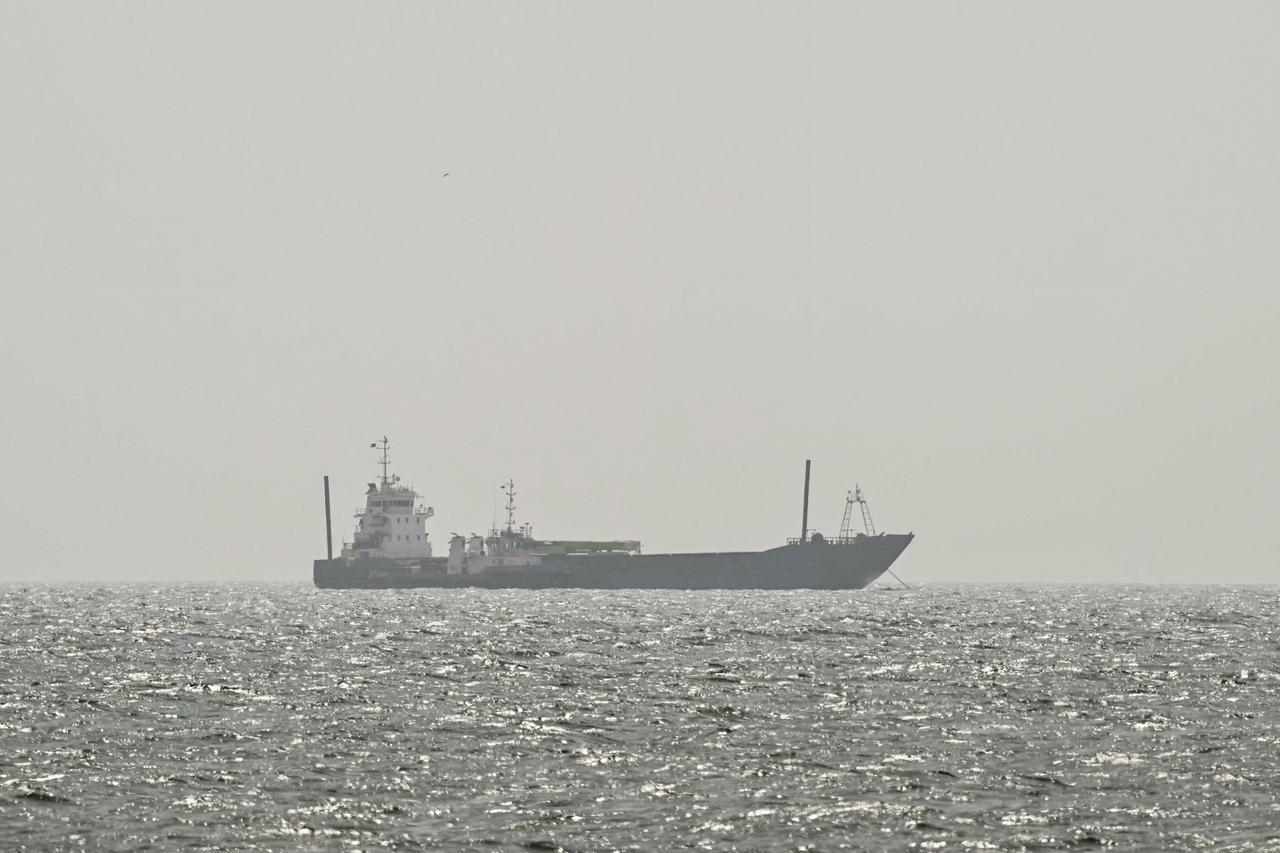
Hormuz talks amid missile accusation
Oman warned on Saturday that attacks on commercial vessels could jeopardize negotiations over the Strait of Hormuz as Iranian President Masoud Pezeshkian defended Tehran’s commitment to a June memorandum with the U.S.
The Omani Foreign Ministry condemned repeated attacks on ships passing through the strait as violations of international law and the sovereignty of regional waters, and it urged all sides to avoid actions that could disrupt negotiations.

Hours earlier, the United Arab Emirates accused Iran of firing a missile at an Abu Dhabi National Oil Company (ADNOC) vessel transiting the Strait of Hormuz, and ADNOC said the incident resulted in no injuries and that the situation was under control.
Iran had not publicly responded to the allegation, while Iranian Foreign Minister Abbas Araghchi said Tehran and Muscat were "very close" to reaching an agreement on new shipping arrangements for the Strait of Hormuz.
In the same reporting, U.S. Vice President JD Vance said Washington expects Iran to restore oil and gas flows through the Strait of Hormuz to pre-conflict levels and ensure safe passage for commercial shipping, adding "we don't trust. We verify."
Gulf states condemn, UN cited
Saudi Arabia condemned the targeting of an ADNOC tanker while it was transiting the Strait of Hormuz, expressing full solidarity with the UAE and saying the Kingdom held Iran responsible for the consequences of continuing such attacks. The Saudi foreign ministry said the "unacceptable attacks" on shipping threatened maritime security and global energy supplies, and it called on Tehran to immediately halt the attacks to preserve regional security and stability. Jasem Albudaiwi, Secretary-General of the Gulf Cooperation Council (GCC), criticized Iran’s approach to use the Strait of Hormuz as a means of exerting pressure or issuing threats and described the attack as a "dangerous" escalation.
Qatar called for the unconditional reopening of the Strait of Hormuz, saying freedom of navigation through the strategic passage was a "fundamental and non-negotiable principle," while Bahrain urged the UN Security Council to take decisive measures to protect navigation through the Strait of Hormuz. In parallel, the UAE foreign ministry condemned what it called a "hostile Iranian attack" targeting an ADNOC tanker with a missile while transiting the strait, "without causing casualties."

ADNOC attack tally and demands
ADNOC said one of its vessels was targeted by a missile while transiting the Strait of Hormuz earlier in the day, and the UAE said the incident was a hostile Iranian attack that threatened regional stability and global energy security. ADNOC also said that since the start of the conflict, 15 of its vessels had been attacked in Hormuz, "including three vessels this week alone," and it reported that one crew member was killed and 20 others injured. The UAE foreign ministry condemned the incident as a "flagrant violation of Security Council Resolution 2817, which stresses the freedom of navigation" and rejected the targeting of commercial vessels or disrupting international maritime routes.
Iran’s Supreme National Security Council secretary Mohammad Bagher Zolghadr laid out demands for reopening the strait, including that Washington lift its naval blockade and sanctions, withdraw U.S. military forces from the region, pay war reparations, and release frozen Iranian assets. Meanwhile, the National reported that the UAE demanded Iran "fully and unconditionally reopen the Strait of Hormuz," while Iranian Foreign Minister Abbas Araghchi said Tehran was close to an agreement with Oman on a legal framework for the strait but that reopening remained tied to the U.S. compensating for what he said were breaches of the Islamabad understanding.