Technology and Science16 June, 20262 min read
QpiAI Launches Indus Quantum Computer in India With 25 Qubits, Targets Logical Qubits
This article is an automated aggregation of coverage from news outlets. Our editorials offer in-depth analysis curated by the NewsCord team.
QpiAI launches Indus Gen-1 25-qubit quantum computer in India. Launch at Bangalore centre with CEO Dr. Nagendra Nagaraja and VP Dr. Manjunath R V.
Error correction timelines
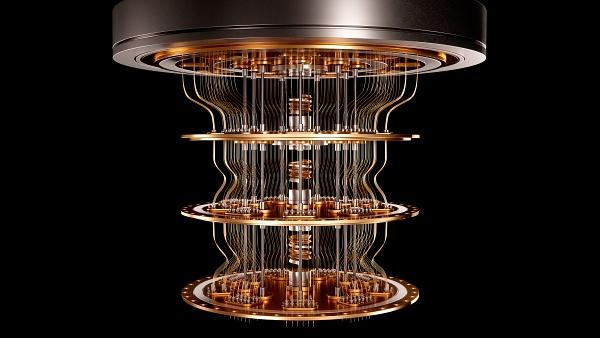
Ars Technica says a promise of useful, error-corrected quantum computing is “as soon as 2028,” hinging on linking hardware qubits into logical qubits that can be measured to determine when errors occur and how to fix them.
Ars Technica adds that useful computations require “a healthy number of logical qubits—roughly 100” for a complete model of the behavior of some simple chemicals and “to tens of thousands” for complicated algorithms like the one that can break encryption.
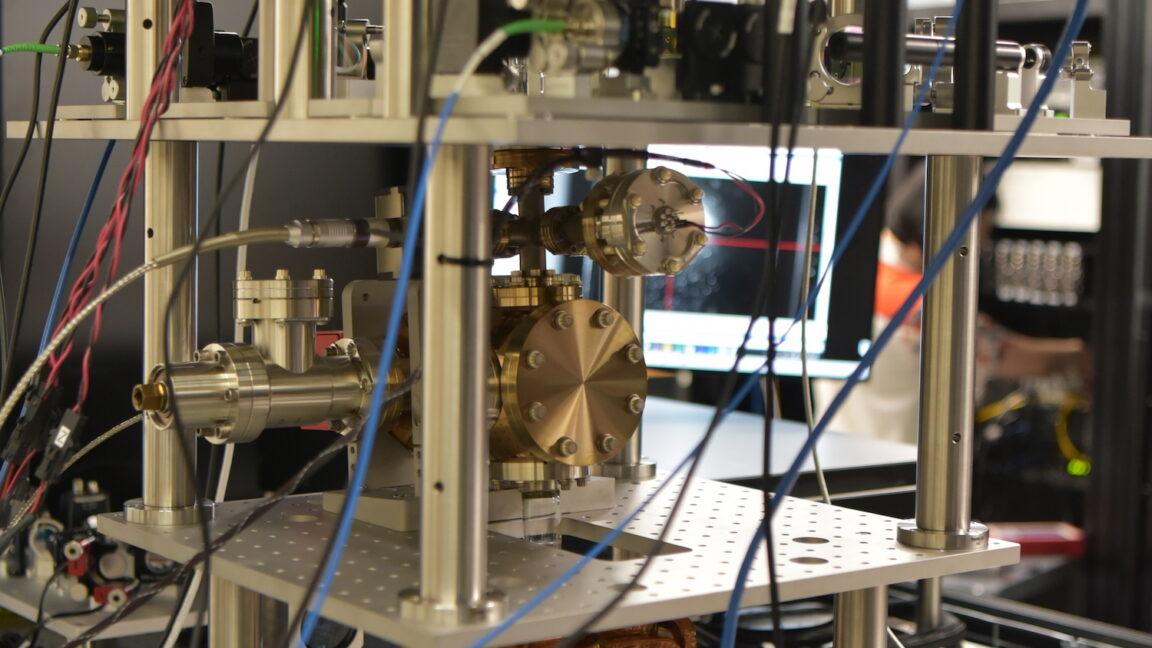
In India, Business Wire reports QpiAI announced the launch of its first quantum computer, the QpiAI Indus Quantum Computer, described by CEO and founder Dr. Nagendra Nagaraja as a roadmap to commercialize quantum computers using “large-scale qubits and logical qubits.”
Business Wire also says QpiAI’s current 25-qubit Indus quantum computer has T1 and T2 times of “30 μs and 25 μs,” with a stated expectation that T1 will rise soon to 100 μs and reach “1 ms by early 2026.”

Fault-tolerant plans
SDxCentral reports QuEra Computing and Amazon Web Services (AWS) plan to make a fault-tolerant quantum computer available through Amazon Braket in 2028, with QuEra’s planned Libra system designed to perform approximately 1 million logical quantum operations. SDxCentral quotes QuEra’s senior director of business development Tommaso Macrì describing the announcement as “a roadmap built on a series of technical milestones already demonstrated by the company and its academic partners.”
In parallel, 디지털투데이 says AWS and QuEra plan to introduce a quantum system with error-correction functions to the AWS cloud within the next 2 years and to unveil a next-generation quantum computer supporting large-scale logical qubits by 2028. 디지털투데이 also includes QuEra chief scientific officer Mikhail Lukin saying, “The dream of realising a useful fault-tolerant quantum computer has for the first time become a realistic goal.”

Roadmaps and stakes
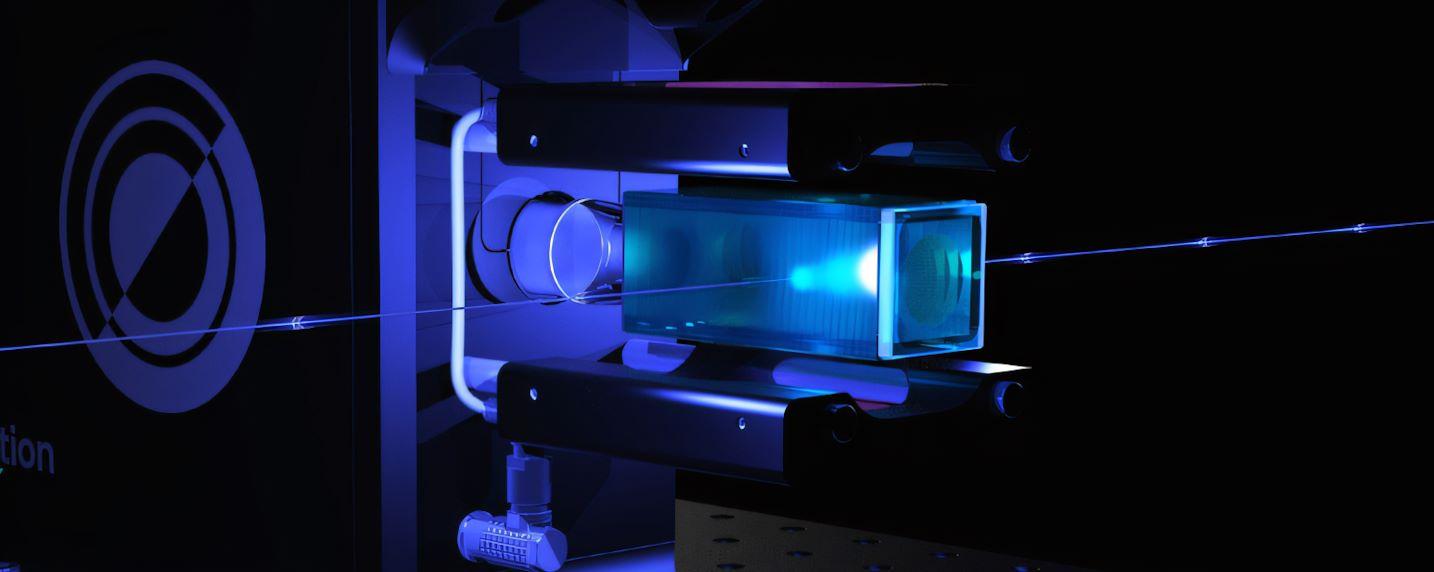
ITforBusiness.fr reports Infleqtion (formerly ColdQuanta) finalized a 1600-qubit processor built with neutral atoms and published a five-year quantum roadmap intended to drive Deeptech toward an enterprise-grade quantum computer by the end of 2028, with its Sqorpius real-time error-correction system and “more than a million quantum gates.” ITforBusiness.fr quotes Infleqtion CEO Scott Faris saying, “2024 is a turning point for quantum technologies,” and adds that the roadmap begins with 2024 availability of its 1600-qubit machine and its software platform Superstaq.
Looking beyond hardware milestones, TradingView frames the stakes for cryptography by quoting Adam Back that “we are not remotely close to having computers with a million qubits this decade,” while also quoting Charles Edwards that “as few as 2,500 logical qubits could be sufficient to break the SHA-256 algorithm in Bitcoin.” TradingView further cites a University of Kent estimate that upgrading Bitcoin to a quantum-resistant cryptosystem could require “up to 75 days of downtime,” and it quotes Vitalik Buterin urging Ethereum to transition to quantum-resistant cryptography within a few years, while also stating that quantum computers could break elliptic-curve cryptography earlier than expected, possibly even before the 2028 U.S. elections.