Sudan10 September, 20263 min read
Quintet Mechanism Holds Khartoum Talks With Abdel Fattah al-Burhan To End Sudan Civil War
This article is an automated aggregation of coverage from news outlets. Our editorials offer in-depth analysis curated by the NewsCord team.
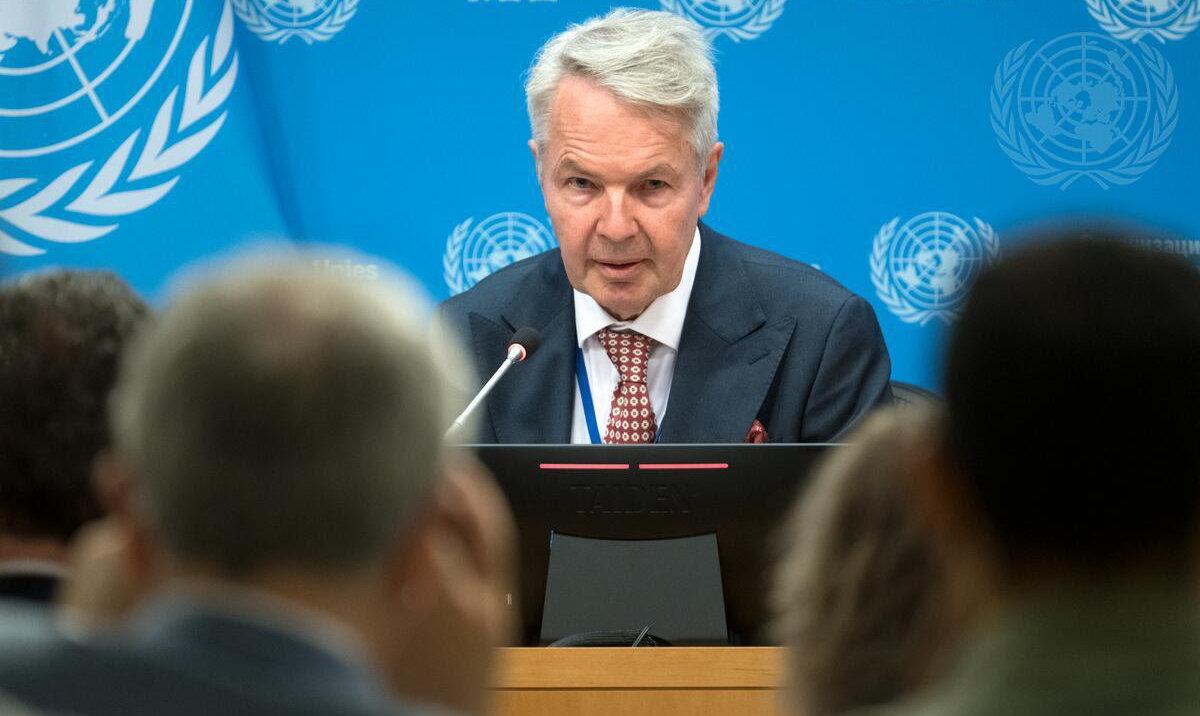
Quintet members held extensive consultations in Khartoum on Sudan's war and peace prospects. UN envoy Pekka Haavisto joined the mission to push the peace process.
9 outlets told this the same way.
Quintet meets Burhan
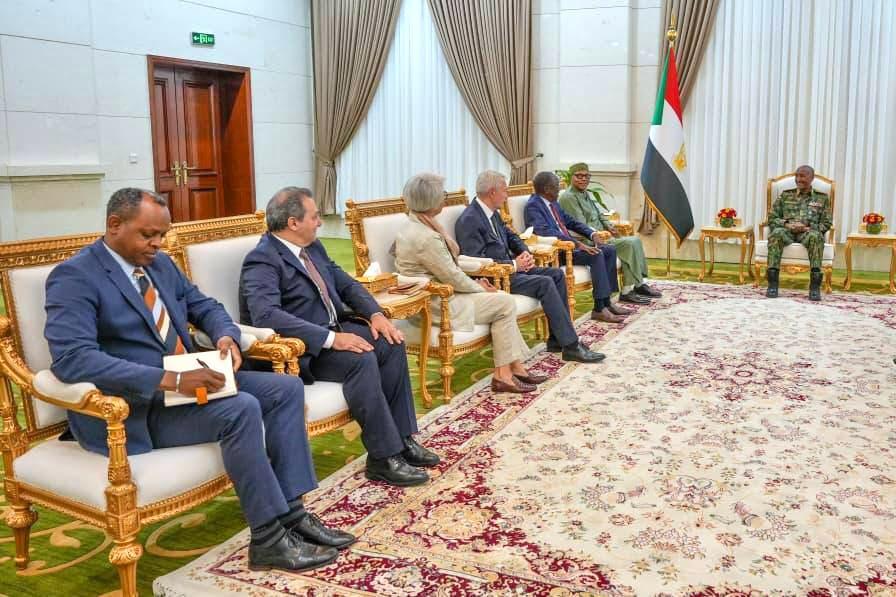
International mediators under the Quintet Mechanism stepped up Sudan peace efforts with talks in Khartoum, where Sudanese military leader Abdel Fattah al-Burhan met representatives at the Republican Palace to discuss ending the country’s civil war and advancing a political process aimed at restoring civilian rule. The delegation, led in public statements by Mohamed Ibn Chambas, head of the African Union High-Level Panel on Sudan, described the meeting as “constructive” and said the three-day visit was intended to connect international efforts outside Sudan with peace initiatives being pursued inside the country. Chambas stressed the Quintet’s position that “there is no military solution to the war in Sudan,” and said any sustainable political process would have to be accompanied by “practical and concrete” measures to protect civilians and bring the fighting to an end.
Prime Minister Kamil Idris separately met the envoys and told them the government remained committed to a comprehensive Sudanese-Sudanese dialogue and to implementing its eventual findings. The talks also included discussions over security guarantees for participants and the need to ensure the participation of women, young people and displaced communities, as the Quintet arrived in Sudan on Tuesday for direct consultations with Sudanese political and civilian forces.
Dialogue vs ceasefire
The mediators’ consultations in Khartoum centered on whether Sudan’s internal dialogue could advance while fighting continued, with the Democratic Bloc telling Quintet representatives that Sudanese groups were fragmented across areas controlled by the army, territory held by the RSF and communities based outside the country. Democratic Bloc spokesman Mohamed Zakaria said the envoys asked “whether a dialogue could realistically begin while fighting was continuing or whether a ceasefire should come first,” and he described the Khartoum meetings as part of efforts to prepare the ground rather than the formal launch of the national dialogue. Zakaria said the bloc reaffirmed its support for an inclusive dialogue excluding only those accused of genocide, ethnic cleansing and war crimes, and it proposed a two-stage process beginning with a preparatory phase at a mutually agreed location followed by a final dialogue inside Sudan.
In separate meetings, Prime Minister Kamil Idris rejected reports that the military had used chemical weapons in its fighting against the Rapid Support Forces, calling the allegations false, and he also rejected portrayals of the war as simply a struggle between two rival generals. The committee preparing for the internal dialogue also briefed the envoys on plans to bring a broad range of political and social groups into negotiations, including questions over security guarantees for participants.
What’s at stake next
The Quintet’s Khartoum push is framed as a test of whether a credible and inclusive political track can be built amid war, with mediators stressing that diplomatic efforts cannot substitute for a political settlement inside Sudan. Mohamed Ibn Chambas said the Quintet wanted to link international diplomatic efforts with initiatives being developed within Sudan, and he reiterated that “there is no military solution to the war in Sudan” alongside calls for “practical and concrete” measures to protect civilians and stop the fighting. Prime Minister Kamil Idris described the dialogue as “the property of the Sudanese people” and said the government was ready to cooperate with the Quintet and implement the process’s outcomes, while the Democratic Bloc insisted the dialogue must be Sudanese-led and Sudanese-owned.
The broader stakes described across the reporting include a war that has continued since April 2023 between the Sudanese Armed Forces and the RSF, with the conflict having displaced about 13 million people and triggered famine and a vast humanitarian crisis. In parallel, the UN’s Pekka Haavisto joined Quintet representatives for talks aimed at reviving an inclusive political process, with the UN describing the mission as a “good offices mission” to hear an assessment by Sudanese stakeholders of the political and security situation and share reflections on efforts to advance peace.