Sudan25 November, 20253 min read
Rapid Support Forces Execute Scores of Unarmed Men and Rape Dozens of Women and Girls in El Fasher, Amnesty Reports
This article is an automated aggregation of coverage from news outlets. Our editorials offer in-depth analysis curated by the NewsCord team.
RSF fighters executed scores of unarmed men in El Fasher RSF fighters raped dozens of women and girls, including a 14-year-old
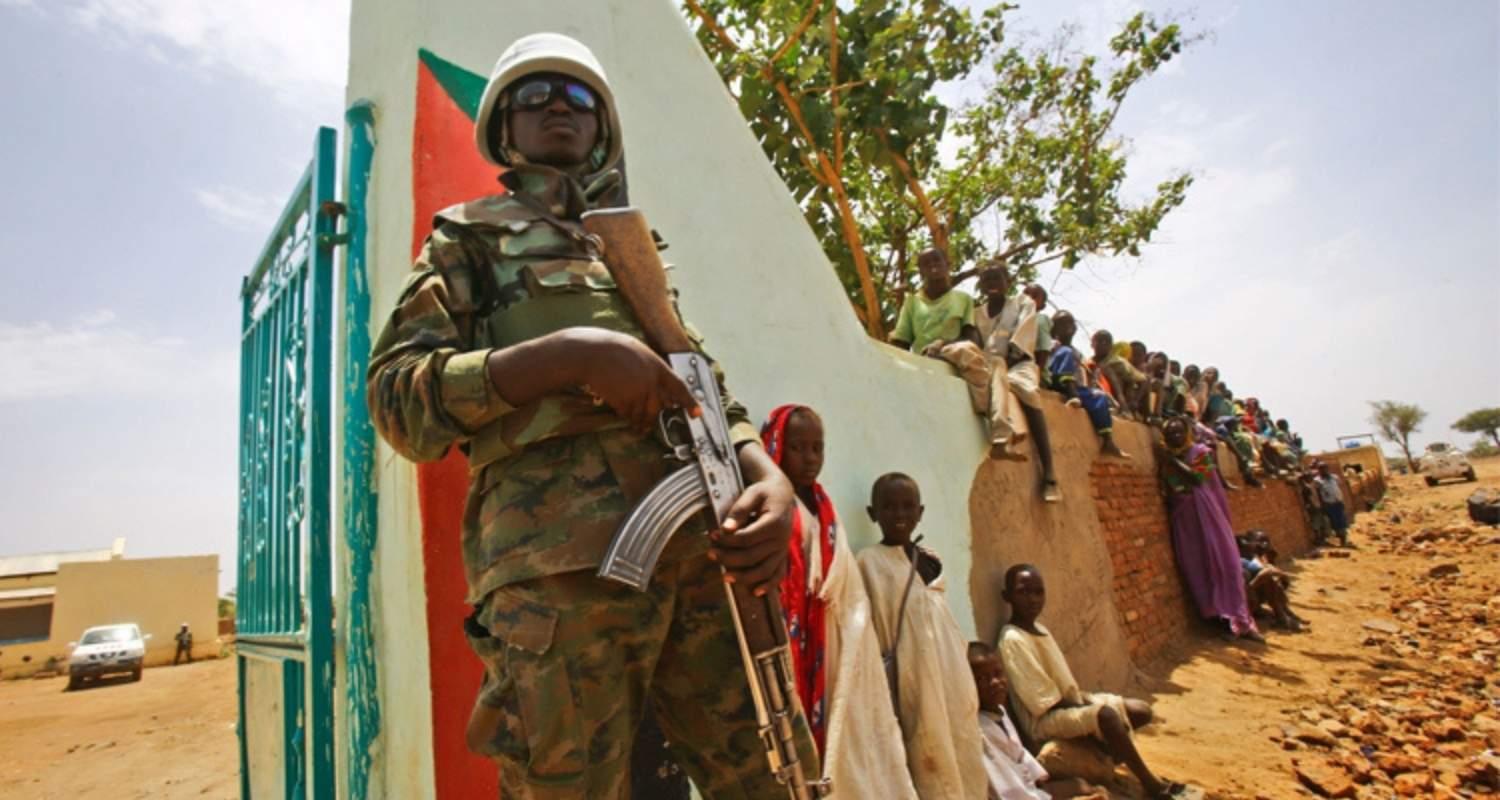
5 outlets told this the same way.
Darfur eyewitness reports
Amnesty International published eyewitness accounts from 28 survivors who fled El Fasher in North Darfur. They reported that Rapid Support Forces (RSF) fighters surrounded and entered the city on 26 October.
“Amnesty International has published eyewitness accounts from 28 survivors who fled El Fasher, North Darfur, after Rapid Support Forces (RSF) fighters surrounded and entered the city on 26 October.”
Survivors described mass executions of unarmed men, dozens of rapes of women and girls—including some daughters—beatings, hostage-taking for ransom, and hundreds of bodies left in the streets and on roads out of the city. Amnesty said the persistent, widespread attacks amount to war crimes and possibly other international crimes and called for accountability.

Survivor accounts of abuses
Multiple outlets amplify specific survivor narratives that illustrate the brutality Amnesty documents. Al‑Jazeera Net quotes a survivor named Khalil who said he was forced from a vehicle and witnessed fighters open fire, killing at least 17 of about 20 men while he pretended to be dead. Another survivor, Badr, reported fighters executed elderly passengers, demanded an $8,000 ransom and shot a man on camera when his family could not pay.
Al Jazeera and Morning Star likewise reference cases of sexual violence, including a woman and her 14-year-old daughter who were raped and whose daughter later died. These named survivor accounts provide granular, often graphic examples that Amnesty summarises in its broader findings.

Attribution and international responses
Amnesty and media reports diverge on political responsibility and reactions. Amnesty explicitly accuses the United Arab Emirates of enabling the RSF through support. Amnesty urges UN bodies to act, including resourcing the UN Human Rights Council’s Sudan Fact‑Finding Mission, extending the ICC referral to all of Sudan, and enforcing UN arms embargoes.
“The organization accuses the United Arab Emirates of enabling the RSF through support, urges the UN Human Rights Council’s Sudan Fact‑Finding Mission to be properly resourced, asks the UN Security Council to extend its ICC referral to all of Sudan, and demands enforcement of UN arms embargoes and urgent diplomatic pressure from international and regional actors to stop RSF attacks on civilians.”
Amnesty frames these measures as legal and diplomatic remedies. Al Jazeera and Morning Star report that Gulf states deny involvement. Al Jazeera notes the UAE denied involvement and accused Burhan of 'consistently obstructive behaviour'.
Morning Star says the Gulf states deny involvement even as it calls the RSF 'UAE‑backed'. These sources therefore present a contested narrative over external support and responsibility.
Context of El Fasher attacks
The reporting places the El Fasher attacks within the broader conflict that began in April 2023 after a power struggle between Sudan's military and the RSF. Morning Star highlights that the fighting began after a struggle between the military (backed by Saudi Arabia and Egypt) and the RSF, and notes the UAE-backed RSF agreed to a three-month humanitarian truce 'in response to international efforts.' Amnesty dates the El Fasher attacks to 26 October and focuses on the immediate patterns of killings, rape, ransom and bodies left in the streets.
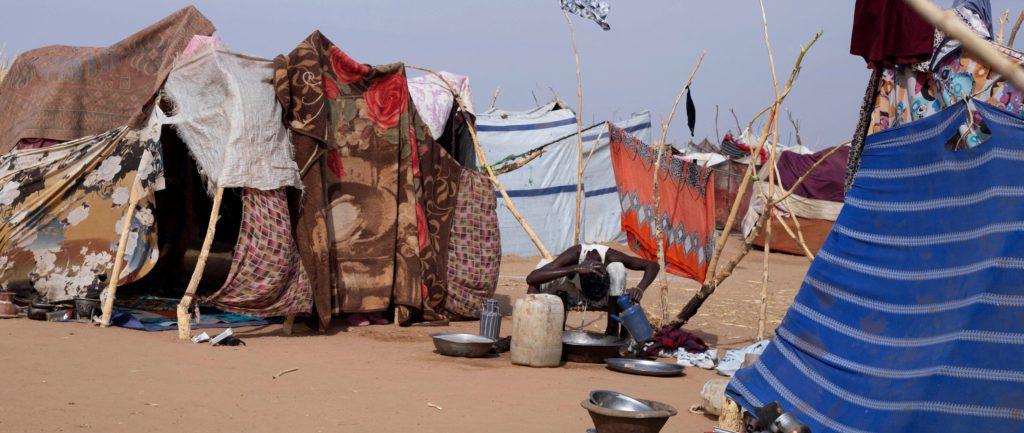
Al-Jazeera Net and Al Jazeera connect those survivor accounts to both the humanitarian truce and the wider, ongoing fighting. This places the atrocities in a long-running, regionally entangled conflict while reporting differences emphasise either immediate criminality or geopolitical context.
Media coverage comparison
All sources that ran the story emphasize Amnesty's call for accountability but vary in tone and secondary emphasis. Amnesty insists on legal and UN action and identifies external enabling as central. Al-Jazeera Net and Al Jazeera provide detailed survivor testimony and report denials and political counterclaims, while Morning Star stresses the humanitarian truce and regional backing dynamics.
“Survivors described mass executions of unarmed men, dozens of rapes of women and girls (including some daughters), beatings, hostage-taking for ransom, and hundreds of bodies left in the streets and on roads out of the city.”
Some concrete details, such as the $8,000 ransom and the names Khalil and Badr, appear in Al-Jazeera Net's reporting and are not prominent in the Amnesty snippet as presented here. Where sources conflict or omit specifics, for example the UAE's role, the reporting should be read as contested, and Amnesty and outlets call for further investigation and resourced fact-finding.
