Sudan04 December, 20252 min read
RSF and Sudanese Armed Forces Spread Brutal Fighting Into Kordofan, Threaten New El Fasher Massacres
This article is an automated aggregation of coverage from news outlets. Our editorials offer in-depth analysis curated by the NewsCord team.
Intense fighting between the Sudanese Armed Forces and RSF has spread into Kordofan's oil-rich states UN documents civilian deaths from airstrikes, artillery and summary executions in Kordofan
7 outlets told this the same way.
Kordofan conflict update
Fierce clashes between Sudan's Sudanese Armed Forces (SAF) and the paramilitary Rapid Support Forces (RSF) have spread into Kordofan, prompting UN warnings of a possible new wave of mass atrocities and comparisons to last month's fall of El Fasher where widespread killings and abuses were reported. UN human rights chief Volker Türk and UN agencies say the situation has escalated across North, South and West Kordofan, with towns under siege and mounting civilian deaths. Communications outages are hindering verification of reported abuses and obstructing delivery of humanitarian aid, increasing the risk of famine.
“The UN has warned that Sudan’s central Kordofan region risks a new wave of mass atrocities as brutal fighting between the Sudanese Armed Forces and the paramilitary Rapid Support Forces (RSF) spreads.”
Kordofan civilian casualties
Multiple specific incidents cited across sources underline the brutality.
The UN human-rights office and media report at least 269 civilian deaths in Kordofan from airstrikes, artillery and summary executions since late October.

An RSF drone strike on a mourning tent in El Obeid on Nov. 3 reportedly killed about 45 people, mostly women.
An SAF aerial strike in Kauda (South Kordofan) on Nov. 29 reportedly killed at least 48 civilians.
Combat over strategic towns including Bara, Babanusa and the army's 22nd division headquarters is contested.
The RSF claims territory while the army and independent outlets note the difficulty of verification.
Kordofan humanitarian crisis
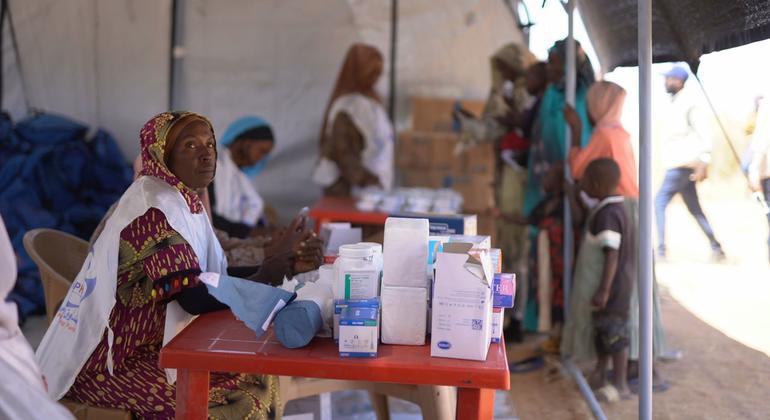
The humanitarian situation is acute: more than 45,000 people have been displaced in Kordofan in recent weeks. Health services have been overwhelmed or destroyed. Famine has been confirmed in Kadugli, and Dilling is at risk.
“More than 45,000 people have been displaced in Sudan’s Kordofan region as sieges on multiple towns are cutting off food, medicine and markets and raising the risk of famine.”
Reports from WHO and UN agencies, cited by regional outlets, say hospitals are overrun and thousands of health workers and patients have been killed since the conflict began. Aid groups warn that sieges, blockades and communications blackouts are cutting off food, medicine and markets.
UN and international appeals
Volker Türk and UN agencies have urged immediate steps to stop the fighting, restore communications, ensure unimpeded humanitarian access and halt arms flows.
Several outlets have urged states with influence to act to prevent Kordofan becoming another El Fasher, citing the recent seizure of El Fasher and documented abuses there as a warning of what could unfold if the current escalation continues.
Communication blackouts hinder reporting
Significant uncertainties remain. Telecom and communications blackouts are repeatedly reported across outlets, obstructing independent verification of incidents and preventing life-saving aid.
As a result, reported casualty and displacement figures may be undercounts. Several sources explicitly flag that claims of territory taken by the RSF could not be independently confirmed, underscoring the challenges of reporting amid sieges and information blackouts.