Technology and Science13 July, 20263 min read
Russia Threatens European Companies Over Ukraine Support as Drone Warfare Evolves
This article is an automated aggregation of coverage from news outlets. Our editorials offer in-depth analysis curated by the NewsCord team.
Drones dominate modern warfare and are evolving rapidly. Ukraine conflict accelerates drone proliferation and Europe’s capability debates.
Drones reshape warfare
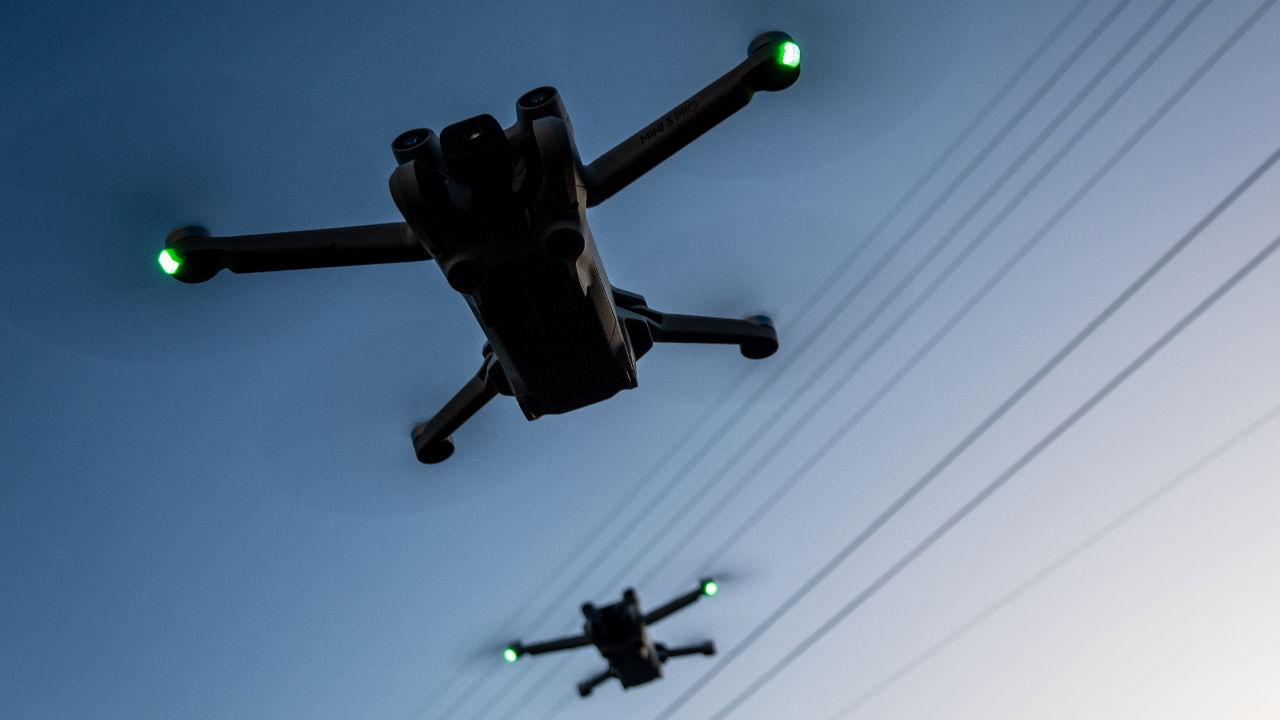
Drone technology is evolving extremely rapidly, with systems often already obsolete before they become operational, and Europe is lagging behind in translating research into military applications due to market fragmentation and investments far below those of the United States. The war in Ukraine shows that modern warfare is dominated by drones, with Ukraine and Russia using up to seven million drones per year and Ukraine producing 4.5 million drones in 2025 compared with 2.2 million the previous year. In Europe’s defense innovation gap, Business AM says Europe has invested about $7 billion (about €6.6 billion) over the last ten years, only a tenth of the $70 billion (about €66.5 billion) invested by the United States.
Nikolaus Lang, director and senior partner at BCG, said establishing an independent defense technology base could take another 5 to 10 years. Business AM also points to NATO initiatives such as the DIANA program, which helps startups and companies to develop defense technologies more quickly.
Russia lists European firms
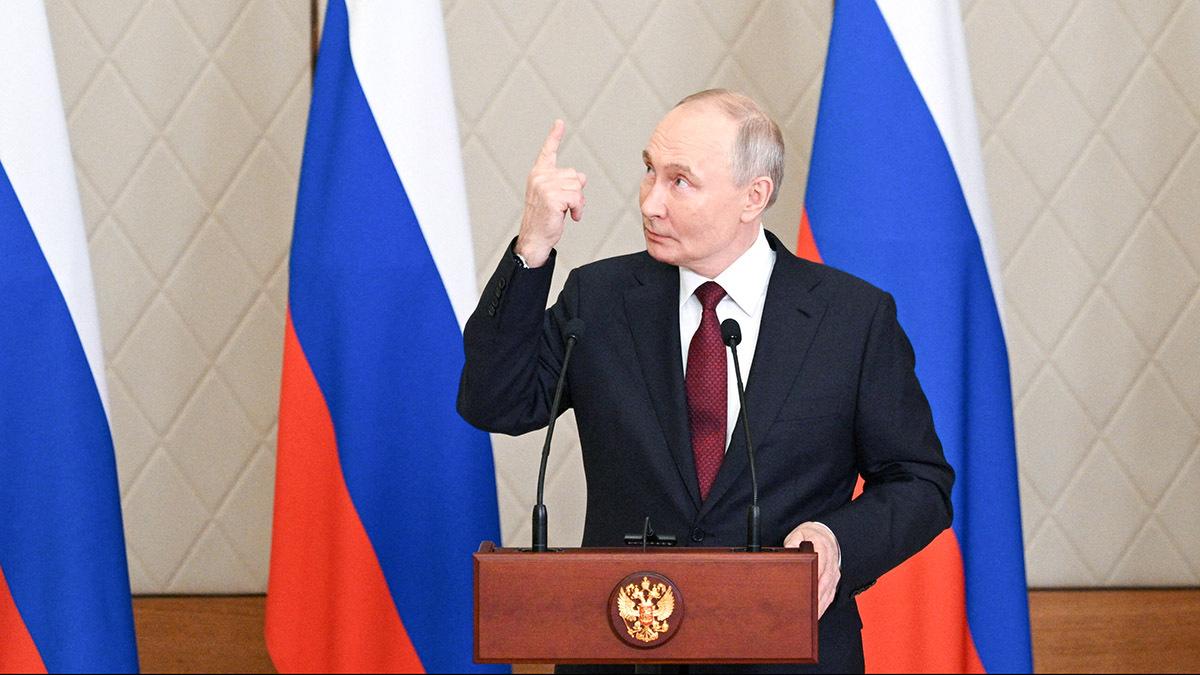
Russia’s Ministry of Defense has threatened European companies that collaborate with Kyiv, including a Spanish company specializing in drone navigation systems, as the conflict escalates militarily and technologically. Atalayar says the Kremlin published a list of 21 European companies designated as legitimate military targets, including Madrid-based OESIA through its subsidiary UAV Navigation. The article frames the Russian rationale as that these companies collaborate with Ukraine in the manufacture of drone components used by the Ukrainian armed forces, and that these activities contribute to escalation across the European continent.
Journalist María Senovilla analyzes from Kramatorsk the scope of the threats and the role of military technology, while Atalayar says the message ends with a note addressed to European partners inviting them to remain calm. Atalayar also describes a more plausible risk as an increase in cyberattacks, including intrusions into computer systems and digital sabotage, aimed at disrupting operations or compromising systems.
Adaptation or loss
As wars shift toward drones, algorithms, and autonomous systems, El Mundo quotes General Carsten Breuer, head of Germany’s defense, saying, “The character of war is changing at its core,” and adding that “The armed forces must be able to adapt faster, integrate new technologies, and learn at a rapid pace.” El Mundo also quotes General Onno Eichelsheim warning that “Technology will change very quickly when you are at war,” and that if forces do not adapt “we will also lose the early weeks of the war, too much ground and too many lives.” The article describes drone-centered warfare as arriving to stay, and it argues that autonomous systems guided by artificial intelligence foreshadow a shift in which a safe rear area can become a conflict zone.
El Mundo says Michael Kofman, senior fellow at the Carnegie Endowment in Washington, explained that “Revolutions in war are often announced, but rarely arrive,” and that most advances are evolutionary. In the same El Mundo account, Gundbert Scherf, co‑CEO of Helsing, said, “Autonomy is starting to reach the battlefield right now,” and that it will be “the most important change factor in the next five to ten years.”