Global Politics10 August, 20262 min read
Russia’s Supreme Court Bars Anti-War Yabloko From September Parliamentary Elections
This article is an automated aggregation of coverage from news outlets. Our editorials offer in-depth analysis curated by the NewsCord team.
Russia's Supreme Court barred Yabloko from contesting September parliamentary elections. Decision followed Rodina's lawsuit accusing Yabloko of Western destabilization.
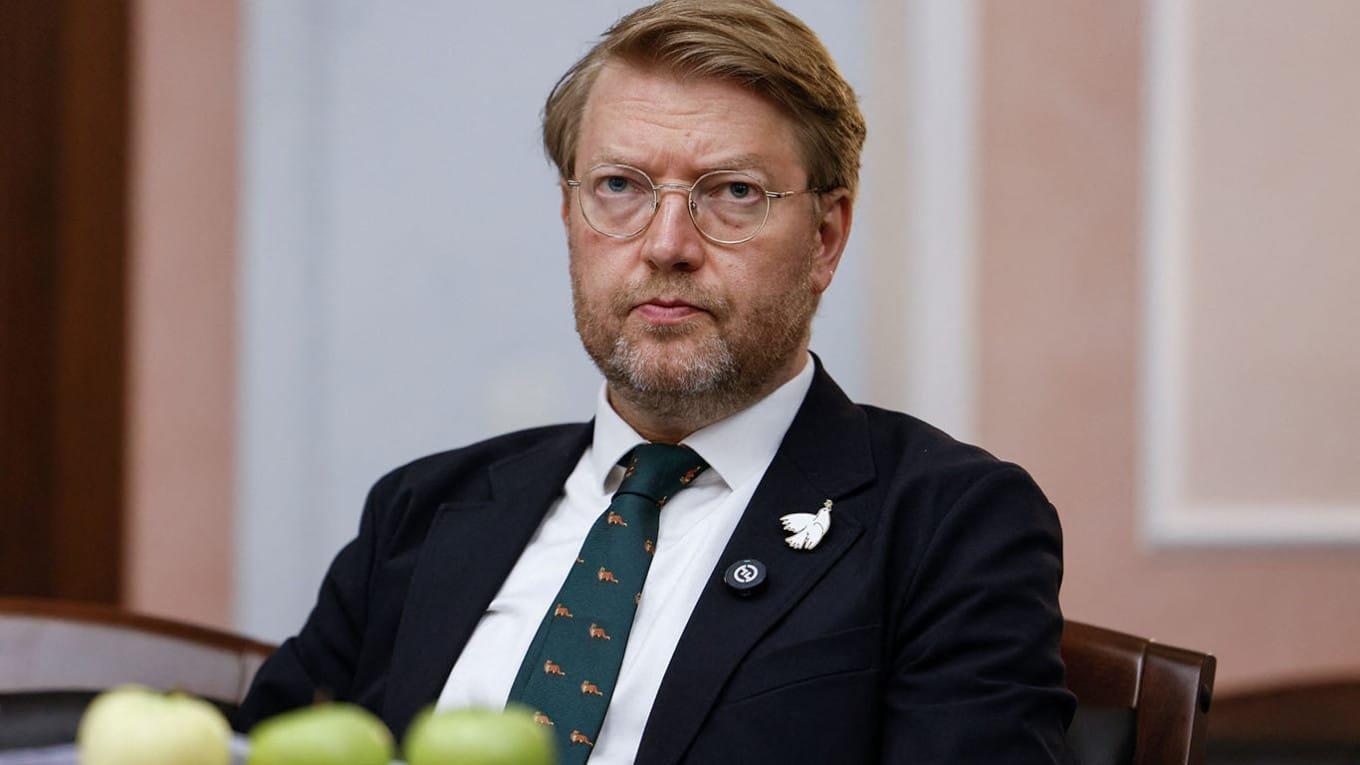
Supreme Court bars Yabloko
Russia’s Supreme Court barred the anti-war Yabloko party from contesting September’s parliamentary elections, sidelining “the only officially registered party that opposes Moscow’s war in Ukraine.” The move followed a lawsuit filed by the pro-Kremlin nationalist party Rodina, which accused Yabloko of receiving undeclared campaign support, including from Western sources, and sought its exclusion from the election.
Reuters reported that Nikolai Rybakov said, “Excluding Yabloko from the election means refusing dialogue with people who ask questions that are uncomfortable for the authorities,” and vowed to appeal. In parallel, La Vanguardia said the Supreme Court decided this Monday to annul YaBloko’s candidacy after Rodina filed a complaint on August 7, and it described the court’s action as removing “the only one opposed to the war in Ukraine.”

Rybakov, Rodina, and protests
During the day-long hearing, Reuters said Rybakov described the case as an unconstitutional attack on freedom of thought by political opponents seeking to clear the field of rivals. Reuters also reported that “a few hundred — mostly young — supporters gathered outside the court as police stood by,” with some carrying apples to display their affiliation to Yabloko, which means apple in Russian.
La Vanguardia quoted YaBloko leader Nikolai Ribakov saying, “We are in favor of peace and they in favor of bloodshed,” framing the dispute as a fight over whether to halt hostilities in Ukraine. La Vanguardia further reported that Rodina leader Alexei Zhuravliov said there were three possible reasons to remove YaBloko from the electoral race, including “extremism” of their electoral messages, which he defined as calls for peace and a halt to hostilities in Ukraine.

UN reaction and election stakes
The UN responded to the exclusion by saying participation in elections should be open to all political forces seeking to compete for voters’ support, with Stéphane Dujarric telling reporters that “elections, wherever they are held, must take place in a free atmosphere.” In the same Reuters account of the decision, the Kremlin’s broader political context was described as narrowing dissent, with Yabloko having “only a handful of regional seats and none in the national parliament.”
La Vanguardia said voting for the September legislative elections would take place on September 20, with voting possible over three days from the 18th to the 20th, and it described the Duma as electing 450 deputies. La Vanguardia also said the main electoral battle was for second place and who could attract protest votes, adding that the protest vote was not formed only by those who oppose the war but also by those angry at consequences of the conflict, including “internet blockages” and “fuel shortages caused by Ukrainian drone strikes against Russian refineries.”