China03 August, 20263 min read
Samuel Paparo Warns China’s Coercive Actions Undermine Indo-Pacific Stability
This article is an automated aggregation of coverage from news outlets. Our editorials offer in-depth analysis curated by the NewsCord team.
Paparo delivered remarks at Super Garuda Shield 2025 opening ceremony. Chinese experts criticize Paparo's accusations as hegemonic double standards.
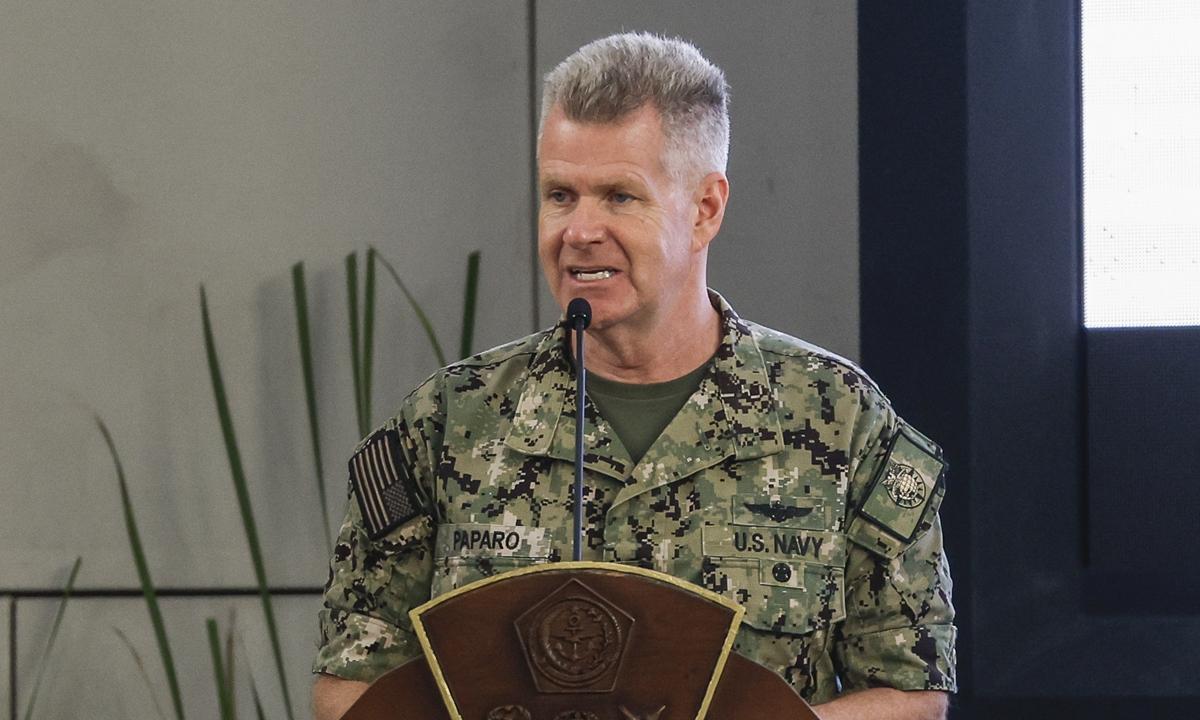
Paparo targets China
Admiral Samuel Paparo, head of U.S. Pacific Command, warned at a regional security conference in Malaysia that “coercive actions” by China and other actors are challenging regional stability and said the United States will not allow any nation to “dominate” the Indo-Pacific.
AP reported that Paparo said some actors were using “false claims of legitimacy” to justify intimidation and coercion, while he portrayed the United States as defending the rule of law.
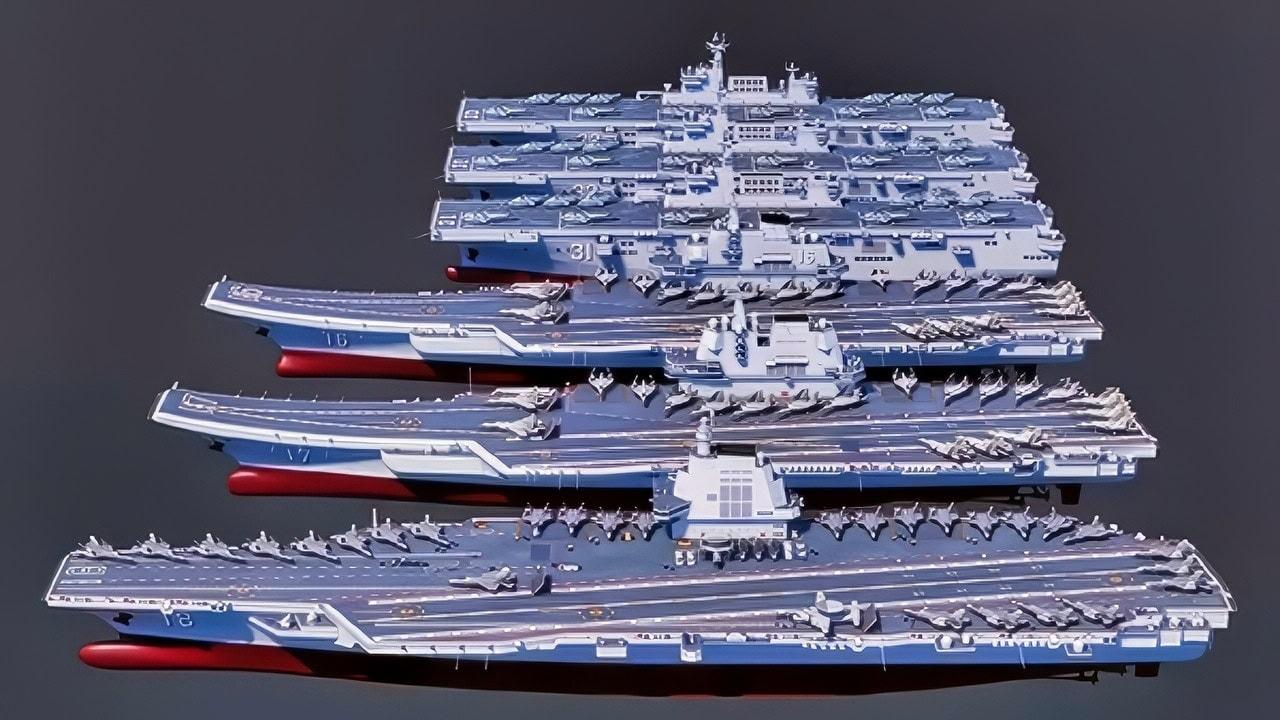
Global Times said Chinese experts argued the Philippines’ hardline stance toward China is linked to U.S. reinforcement of alliance commitments and security support, and it cited Li Qingsi saying Washington seeks to dominate the region.
Global Times also quoted Li Qingsi saying, “The core objective of the US' deterrence strategy toward China is to preserve its dominant position in the so-called Indo-Pacific,” and it described U.S. joint military patrols as a fundamental cause of undermining regional stability.
Incidents and treaty ambiguity
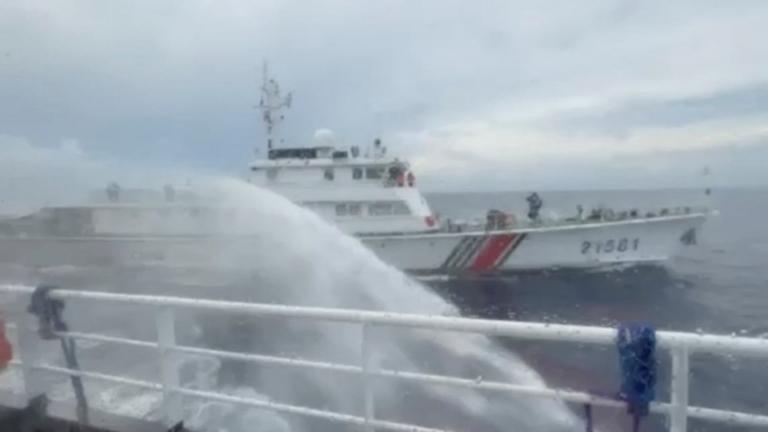
19FortyFive described a July 20 incident in which a China Coast Guard team in a small boat closed on Philippine sailors near Second Thomas Shoal and repeatedly struck one of them on the head with a wooden baton, leaving him injured and requiring his removal for medical treatment.
The same source said Manila says China struck first while Beijing says Philippine personnel did, and it added that a nearby U.S. Coast Guard vessel is reported to have helped keep the two sides apart while the injured man was removed for treatment.
19FortyFive then said four days later Chinese ships turned water cannons on Philippine vessels near Scarborough Shoal and did it again the next day, framing the question as not whether a U.S.-China war has arrived but why Beijing keeps producing incidents that are never meant to be a spark.
It argued that the Mutual Defense Treaty applies to armed attacks on either country’s armed forces, aircraft, and public vessels, including its coast guard, anywhere in the South China Sea, while noting that “What the two governments have not publicly defined is where a baton strike sits on the way to an armed attack.”
Allied activity and code talks
AP said tensions remain high in the South China Sea as China’s expansive maritime claims overlap with those of several Southeast Asian nations and as the Philippines has been at the center of confrontations around a disputed shoal where Chinese and Philippine vessels repeatedly faced off.
AP reported that Philippine Defense Secretary Gilberto Teodoro vowed his country will continue to resist and “push back” against the threat from China, and it quoted him saying, “China is everywhere … this is a matter of concern.”
The AP story also said talks between the Association of Southeast Asian Nations and China for a code of conduct to govern behavior in the South China Sea have progressed significantly, with ASEAN Secretary-General Kao Kim Hourn saying, “The pace has picked up dramatically and I think we are much closer to finalizing the code of conduct.”
In parallel, Escenario Mundial described U.S. Navy operations alongside the Philippines and Japan in the Philippines’ Exclusive Economic Zone, saying the USS Santa Barbara continued to operate in the South China Sea and that the activity took place entirely within the Philippine EEZ.