Technology and Science22 September, 20262 min read
Scientists Find Two Brain Progenitor Cell Populations Expressing Otx2 And Gbx2
This article is an automated aggregation of coverage from news outlets. Our editorials offer in-depth analysis curated by the NewsCord team.
Researchers propose the brain has two distinct progenitor populations, not a single origin. The two origins allegedly date back about 550 million years of evolution.
5 outlets told this the same way.
Two origins, not two brains
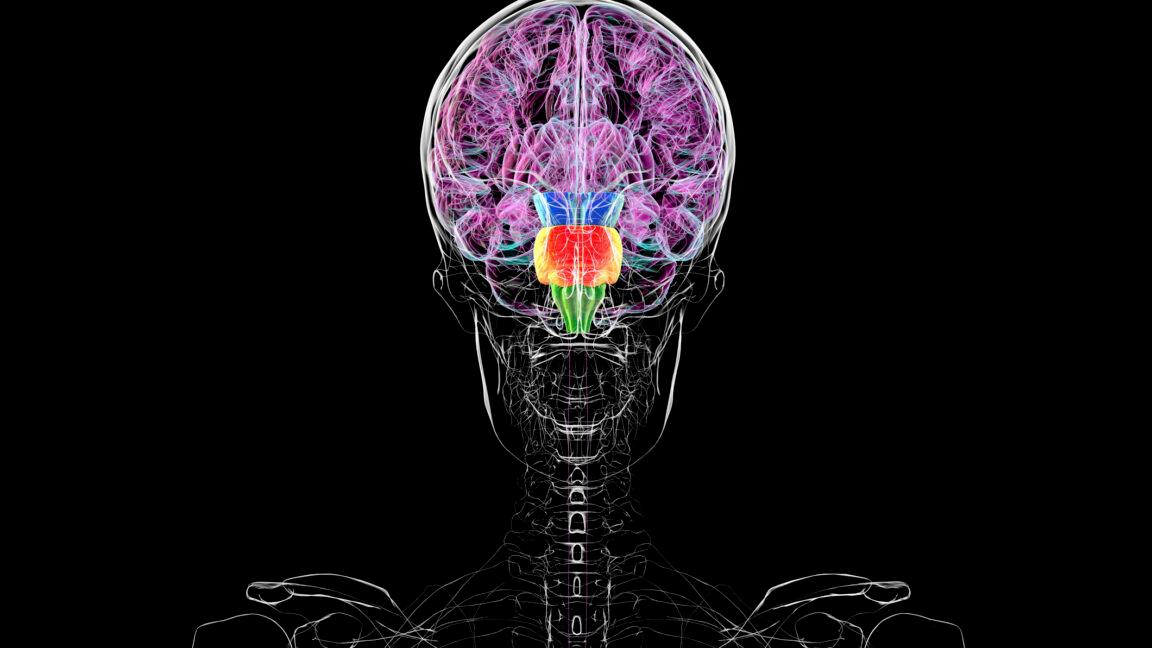
“You do not have two brains.” Vertebrates have four major nervous system segments, including the forebrain, midbrain, hindbrain, and spinal cord, and the research question focuses on how those segments get there.
The forebrain processes higher-level cognitive processes like language and abstract reasoning, while the hindbrain, also called the brainstem, oversees automatic functions like hunger cues, sleep, and regulation of the heartbeat. RNA analysis in mouse embryos roughly a week after conception revealed two populations of brain progenitor cells, with one expressing Otx2 and another expressing Gbx2.
Genes, embryos, and stem cells
The two cell types “always remain independent of each other,” and that independence links to why scientists have struggled to coax human pluripotent stem cells into turning into hindbrain nerve cells. “these two populations of cells never overlap” and “are mutually exclusive from the earliest stages of development.”
Kyle Loh said, “We have demonstrated for the first time that the frontal part of the brain originates from a progenitor cell completely different from the posterior part,” and the researchers described the ability to culture brainstem neurons in a Petri dish. The study’s release stated “these two populations of cells never overlap” and “are mutually exclusive from the earliest stages of development.”
Why it matters for disease
Stanford Medicine’s study, published in Nature Neuroscience on September 18, 2026, claims to help improve research into “devastating neurological diseases.” Dr Lokesh B said researchers “have now been able to use human stem cells to grow functional hindbrain neurons in the laboratory,” and the capability ties to studying conditions such as amyotrophic lateral sclerosis and spinal muscular atrophy.
The discovery opens new avenues for diseases that affect the brainstem, including spinal muscular atrophy and amyotrophic lateral sclerosis, and it described the study as showing the brain as a “composite organ” originating from two progenitors restricted to separate lineages. Kyle Loh told readers, “Our research suggests that evolution took two existing neural systems and pushed them together spatially,” and the finding helps explain why labs have struggled for decades to grow hindbrain neurons.