Technology and Science04 September, 20262 min read
Scientists Sequence Sheeppox Virus DNA From Medieval Manuscripts at Yale and Cambridge
This article is an automated aggregation of coverage from news outlets. Our editorials offer in-depth analysis curated by the NewsCord team.
Ancient DNA from medieval parchment reveals historical presence and evolution of sheeppox virus across Europe Researchers sequenced and reconstructed SPPV genomes from manuscripts including York Gospels and other European items
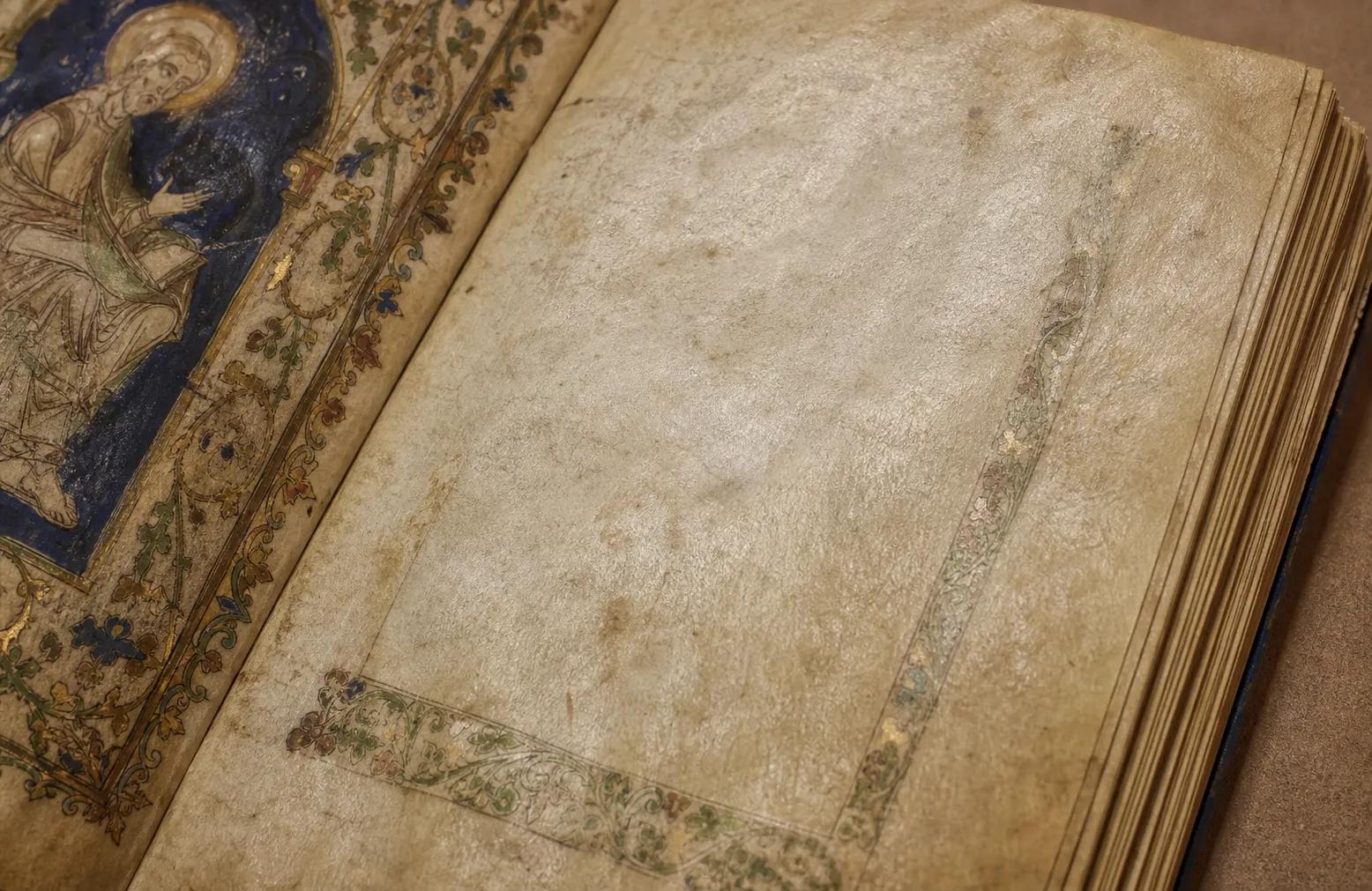
Ancient DNA in parchment
Scientists have discovered and sequenced sheeppox virus DNA in the parchment of medieval manuscripts held in library collections in Europe and the United States, and the work traced the pathogen’s evolution over approximately 3,500 years. The study analyzed samples from manuscripts held at Yale University, the University of Cambridge, Corpus Christi College, University College Dublin, Lambeth Palace Library, and Trinity College, including pages from the 15th-century Speculum Historiale and the York Gospels, which are about a thousand years old.
Researchers reconstructed 21 ancient genomes spanning the period from 1700 BCE to the early modern period in Europe, and comparison of sequences showed the sheeppox virus diverged from goatpox and lumpy skin disease viruses between approximately 11,500 and 3,700 years ago. Louis L’Hôte of University College Dublin said archives and libraries in different countries may preserve genetic traces of ancient disease outbreaks among animals, and the findings were published in Science Advances.
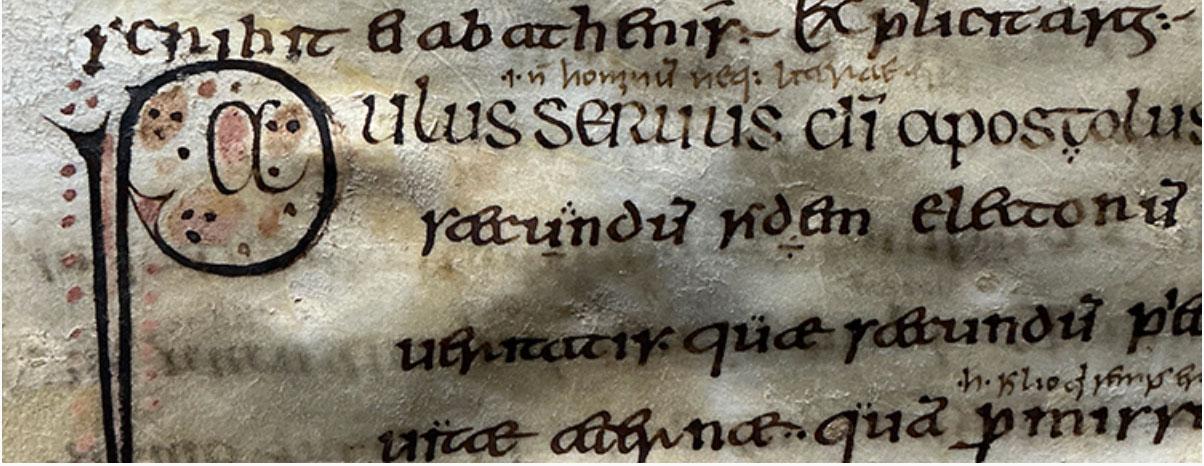
York Gospels and more
The researchers detected sheeppox virus DNA on many pages, including multiple pages from the same manuscript, and Medievalists.net says the York Gospels are “probably produced at Canterbury around 990–1020.” Medievalists.net reports that three folios tested positive for sheeppox virus DNA in the York Gospels, including two from the original manuscript and another from a later medieval document added to the volume.
The team also found viral DNA in the Corpus Glossary, made around AD 800, and in a copy of the Epistles of St Paul dating to around AD 700, while four positive folios were found in a Speculum historiale manuscript associated with the controversial Vinland Map. Archaeology Magazine says the researchers extracted samples from sheep teeth and detected the virus in medieval manuscripts such as the 1,000-year-old York Gospels and the Corpus Glossary, and it notes the virus also appeared on parchment made from calfskin and goatskin.
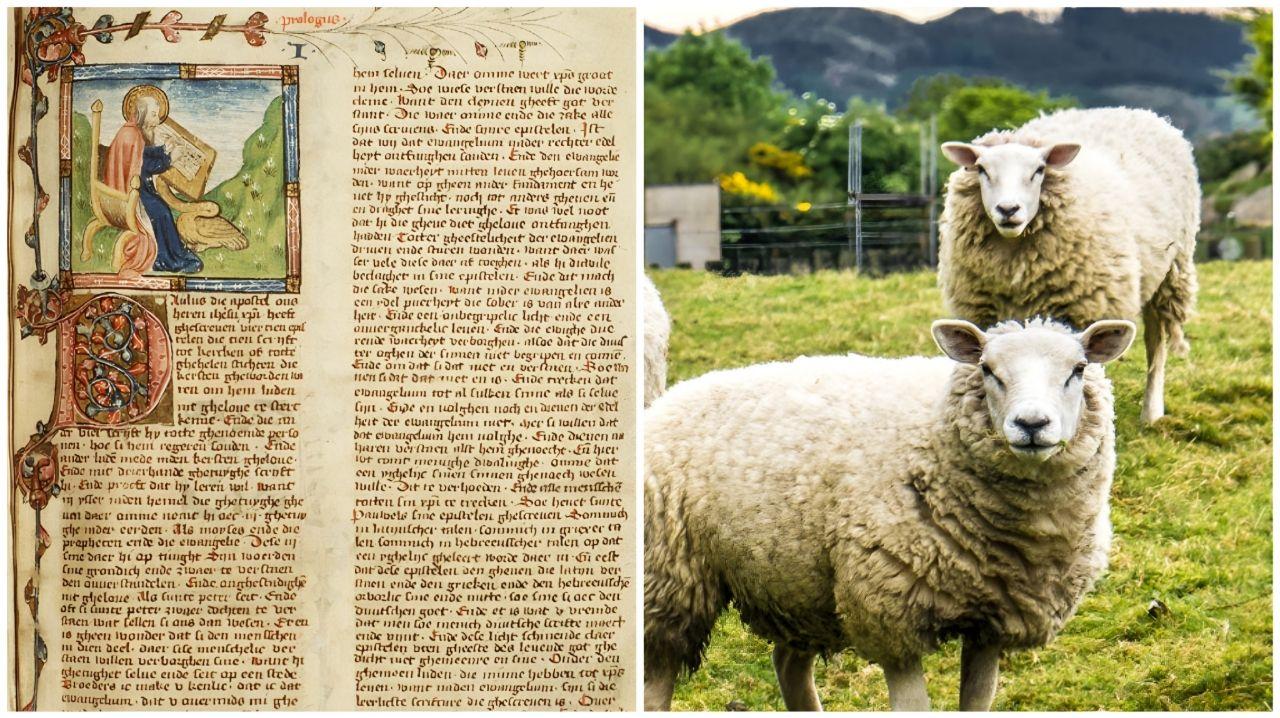
What it means for today
The findings suggest parchment can preserve animal pathogen DNA, and Phys.org quotes Louis L’Hôte saying, “It is possible that archives and libraries around the world also contain the genetic traces of disease outbreaks in animals in the past.” Phys.org also describes sheeppox as highly contagious and says it can cause very high mortality rates, especially in young animals, while reducing productivity by damaging wool, meat and milk yields.
Ars Technica adds that sheeppox was largely eradicated from much of European livestock in the 20th century but that regional outbreaks still occur, including the one that afflicted many flocks of sheep in Greece last year. Discover Magazine concludes that “This project shows that parchments not only preserve our cultural history for hundreds of years, but also the landscape of disease in our livestock in the medieval period,” while also noting that the virus remains a threat today.