Other27 October, 20252 min read
Social Media Influencers Drive Uncontacted Tribes Toward Extinction by Spreading Disease and Destroying Forests
This article is an automated aggregation of coverage from news outlets. Our editorials offer in-depth analysis curated by the NewsCord team.
Social media influencers attempt direct contact with uncontacted tribes, risking disease transmission. Deforestation and logging in indigenous territories disrupt uncontacted tribes' traditional environments.
5 outlets told this the same way.
Outlets did split on Lebanon Returns 37 Smuggled Artefacts to Egypt After 2020 Port Seizure →
Threats to Uncontacted Tribes
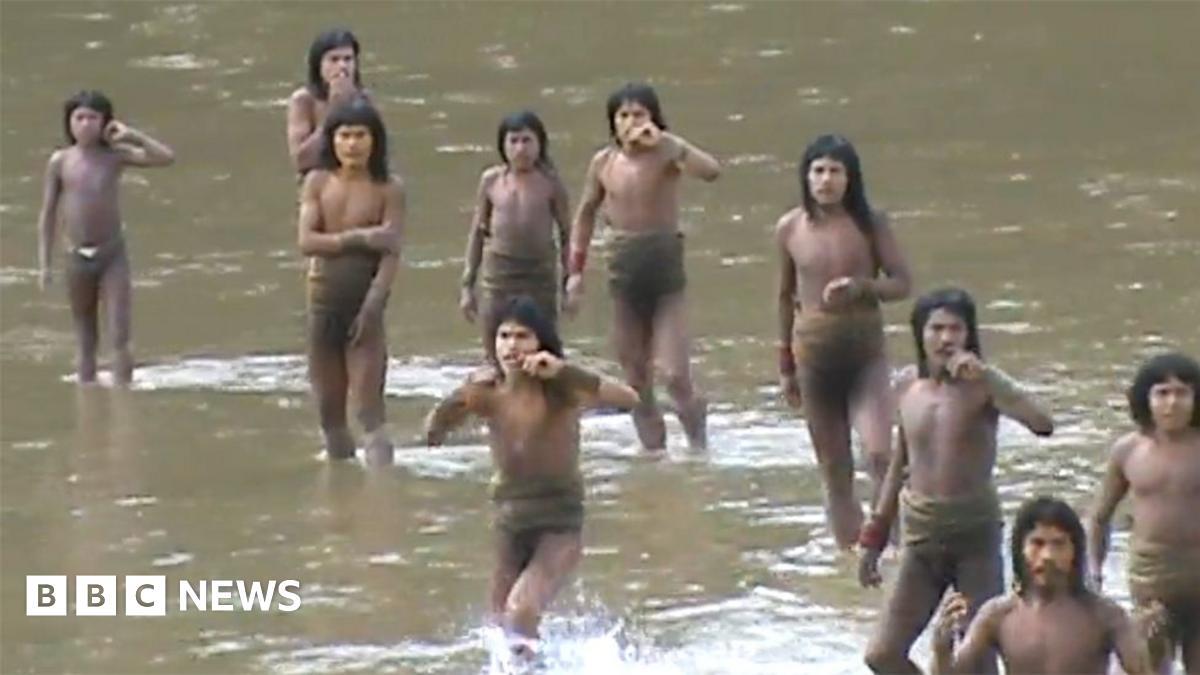
Survival International warns that social media influencers, “wannabe adventurers,” and rogue tourists are driving a growing threat to uncontacted Indigenous peoples by seeking viral encounters that can spread disease to communities with little immunity. LADbible reports the London-based charity’s stark projection that half of the world’s remaining ancient tribes—mostly in the Amazon—could be wiped out within a decade due to disease risks from such contact.
“Campaigners from Survival International have warned that social media influencers visiting uncontacted Indigenous tribes pose a growing threat to their survival.”
Daily Mail and Mail Online quantify the scale at 196 uncontacted groups worldwide and describe a surge in influencers deliberately seeking interactions to boost social media fame. All three sources frame even attempted contact as dangerous to survival, emphasizing the severe epidemiological risk these visits pose.
Risks of Contact with Isolated Tribes
The central danger is disease transmission because these communities lack immunity to common illnesses. Even brief interactions can be catastrophic for them. LADbible notes that contact is extremely dangerous.
Both Daily Mail and Mail Online stress that even minimal contact can be fatal. The tabloids also report that such encounters put outsiders at risk as well. They point to the 2018 killing of American missionary John Chau on North Sentinel Island as a stark example of the dangers to both intruders and the tribes.

Global Coverage of Isolated Tribes
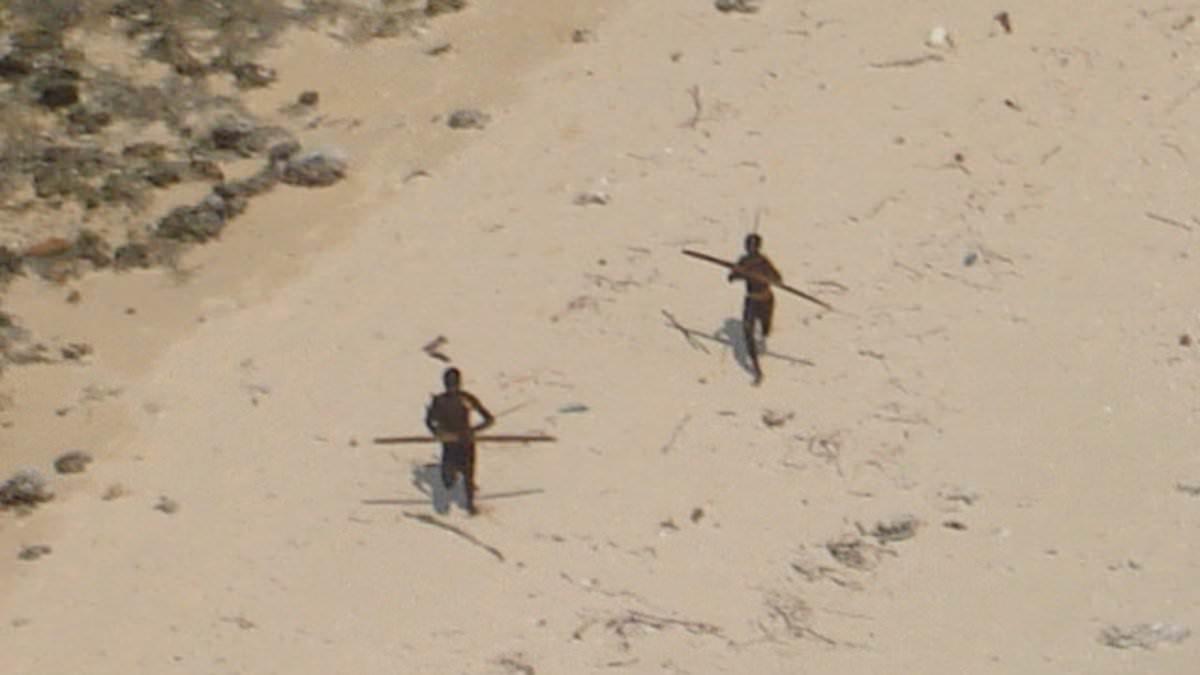
Coverage differs in geographic focus. LADbible highlights that many uncontacted peoples are in the Amazon rainforest. Daily Mail and Mail Online center their examples on North Sentinel Island in India, described as home to the most isolated tribe.
“The report highlights increasing threats from influencers, tourists, and missionaries, particularly on North Sentinel Island in India, home to the most isolated tribe.”
Together, the reports depict a global threat spanning the Amazon to the Andaman Islands. The emphasis varies between Amazon-centric vulnerability and a Sentinelese hotspot under intense pressure from outsiders seeking encounters.
Unauthorized Visits to Sentinelese Island
Recent incidents illustrate the accelerating pattern of risky intrusion. LADbible cites a US tourist who attempted to reach the Sentinelese. A 24-year-old man was arrested in India for illegally entering restricted tribal land to film a video.
Daily Mail and Mail Online spotlight the arrest of influencer Mykhailo Viktorovych Polyakov after he allegedly landed on North Sentinel Island and tried to contact the tribe. Both outlets present this as emblematic of the search for clout that endangers everyone involved.
Issues and Responses to Visitor Impact
Survival International urges governments and companies to act to keep reckless, fame-seeking visitors away. LADbible reports on this call for action to prevent harmful contact with vulnerable groups. Daily Mail and Mail Online highlight the scale of the problem and the dangers of contact.
“Survival International urges governments and companies to take action to protect these vulnerable groups from reckless visitors seeking viral content.”
They emphasize that there are 196 groups at risk and that even minimal contact can be fatal. None of the sources discuss forest destruction related to influencers. The coverage focuses on disease transmission and intrusion risks, leaving the issue of forest damage unaddressed.