Technology and Science13 August, 20262 min read
Study Finds US Cancer Patients Wait Longer for First Treatment Than 2012
This article is an automated aggregation of coverage from news outlets. Our editorials offer in-depth analysis curated by the NewsCord team.
Study analyzed over 2.7 million cancer patients and found rising wait times since 2012. Average delay increased by about two weeks for six common cancers between 2012 and 2023.
7 outlets told this the same way.
Longer waits for surgery
A new study found that the average wait time between diagnosis and first-course treatment for six types of cancer increased by roughly two weeks between 2012 and 2023, with the research published Wednesday. The analysis, led by Tim Donahue of the University of California, Los Angeles, examined data for more than 2.7 million patients in the National Cancer Database who were eligible for surgery when diagnosed and had one to three of the six cancer types: breast, colon, lung, gastric, pancreas and esophageal cancer.
“Across every cancer we studied, patients are waiting longer today than they were a decade ago.”
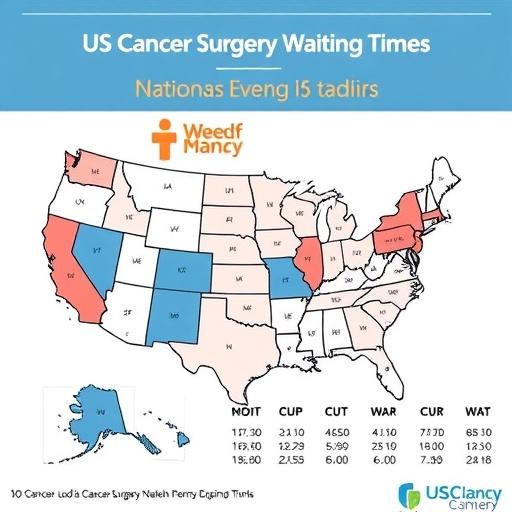
The study reported that for breast cancer, wait times increased from 34 days to 45 days, while gastric cancer waits rose from 35 to 49 days and colon cancer waits ranged from 20 to 31 days. Donahue told STAT, "What was striking was the consistency," and said, "Across every cancer we studied, patients are waiting longer today than they were a decade ago."
Who feels the delays
The study authors and accompanying analysis tied longer waits to factors including growing physician shortages, the often lengthy prior authorization process and complexity of treatment, according to the researchers. Cancer Health reported that delays increased by about 10 days for six common cancer types in part due to more specialized care, and it said the study was published in JAMA Surgery.
Ars Technica described the study’s time frame as 2012 to 2023 and said wait times for all six cancer types increased over the entire period and incrementally between each of the time groups. In an accompanying editorial, Lia Delaney and Sherry Wren of Stanford School of Medicine wrote, “The modern oncology system has optimized for specialization but not necessarily for timeliness.”
Consequences and what’s next
The Independent said the consequences are “dire,” arguing that longer wait times can raise the risk of disease spread and premature death, and it cited findings that every month delayed can raise the risk of death by around 10 percent. It also reported that for every 30-day delay from the time of diagnosis, the risk of death increased by 4.6 percent, citing a study from The Ohio State University Wexner Medical Center.
The Independent en Español said the American Cancer Society estimated 626,140 people will die of cancer in the U.S. in 2026, with more than 2.1 million new cases. Against that backdrop, the study’s authors concluded that “As cancer care continues to centralize within expanding, consolidated health systems, improved care coordination, streamlined referral pathways, standardized timeliness benchmarks and strategic capacity expansion will be required” to ensure timely and equitable access to surgical care.