Sudan16 July, 20263 min read
Sudan Central Bank Introduces New 1,000 Sudanese Pound Banknote To Curb Counterfeiting Linked To War
This article is an automated aggregation of coverage from news outlets. Our editorials offer in-depth analysis curated by the NewsCord team.
Central Bank measures address currency crisis amid war. The dollar and Sudanese pound remain volatile amid ongoing conflict.

New banknote, RSF split
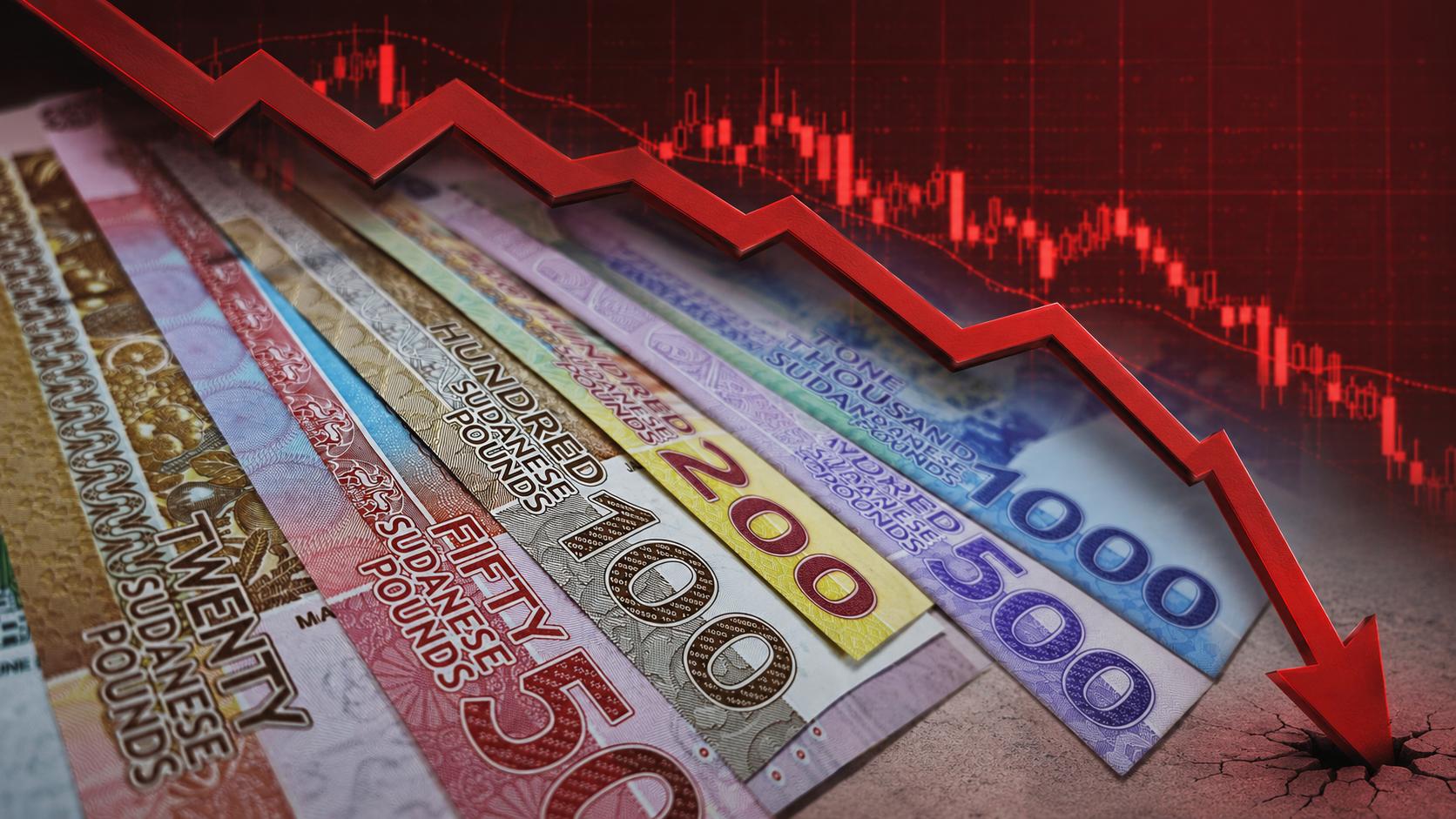
Sudan began circulating a new currency this week, with the Central Bank of Sudan announcing the introduction of a new 1,000 Sudanese pound banknote in early November as a step to curb the underground economy and combat counterfeiting linked to the war. The Atalayar report says the war has raged since the beginning of last year and that the dollar reached 2,300 pounds compared to 600 pounds before the conflict, while it also cites a Central Bank report saying 70% of bank branches in combat zones were closed. Atalayar adds that the new currency began to be introduced in the seven states considered safe among the 18 that the country has, excluding areas controlled by the RSF, which rejected the procedure as a step toward dividing the country.
The same report says the process was made possible by a consensus between the Ministry of Finance and the central bank, and it quotes Ibrahim Abdullah, director of the Omdurman National Bank in Shendi, in the Nile state, saying the “cash” exchanged is received and deposited directly into the person’s account. Atalayar also reports that Sudan’s Finance Minister Jibril Ibrahim said the economy contracted by 40% last year due to armed conflicts in several regions of the country, with contraction expected to continue at around 28% in 2024.

Partial fixes, exchange-rate pressure
Dabanga reports that the rapid escalation in the exchange rate of foreign currencies against the Sudanese Pound (SDG) left the government searching for solutions, noting that the dollar resumed its upward climb less than a week after a temporary decline. The outlet says the dollar fell to SDG5,800 from SDG6,000 following the Central Bank of Sudan’s injection of foreign currency into the banking system, but that the improvement quickly lost momentum and the measures achieved only partial success. Banking expert Abdullatif Ali Ibrahim told Radio Dabanga that the Central Bank of Sudan has the legal authority to take action against banks and their employees over violations relating to foreign exchange transactions.
He warned that any failure in implementing foreign exchange policy would create distortions in the exchange rate, public indebtedness, and inflation, and he argued that the crisis requires comprehensive structural reform rather than piecemeal intervention. Dabanga also quotes Ibrahim saying, “If the central bank is trying to manage the crisis while other parties continue opening loopholes that push the exchange rate higher, monetary and banking policies will inevitably fail.”
Fuel imports, parallel market swings
Sudan Tarbiyun reports that on Saturday the Sudanese pound registered a slight improvement after a wave of deterioration that was the fiercest in months, with parallel currency markets seeing an unprecedented spike earlier. The report says the dollar traded at around 4,700 pounds and then fell to 4,400 pounds, while the UAE dirham declined to 1,280 pounds from 1,330 pounds, and it attributes the improvement to a drop in demand for foreign cash, including from fuel companies. Sudan Tarbiyun links the shift to a government decision on Friday to begin importing petroleum derivatives after a severe fuel crisis and a depreciation of the pound driven by broad-based purchases of foreign currency to import petroleum products.
The outlet says Sudan faces recurring fuel crises exacerbated by the destruction of the oil infrastructure, especially the Gezli refinery going offline, which had covered about 70% of domestic consumption and pushed the country to rely entirely on imports. In the same report, a trader told Sudan Tribune that parallel currency markets saw a noticeable drop in demand for foreign cash because traders feared a sudden collapse due to large, synchronized selling of sums purchased for speculative purposes only.