Sudan20 September, 20263 min read
Sudan’s Parallel Market Dollar Falls To SDG 7,400 After Supply Rises
This article is an automated aggregation of coverage from news outlets. Our editorials offer in-depth analysis curated by the NewsCord team.
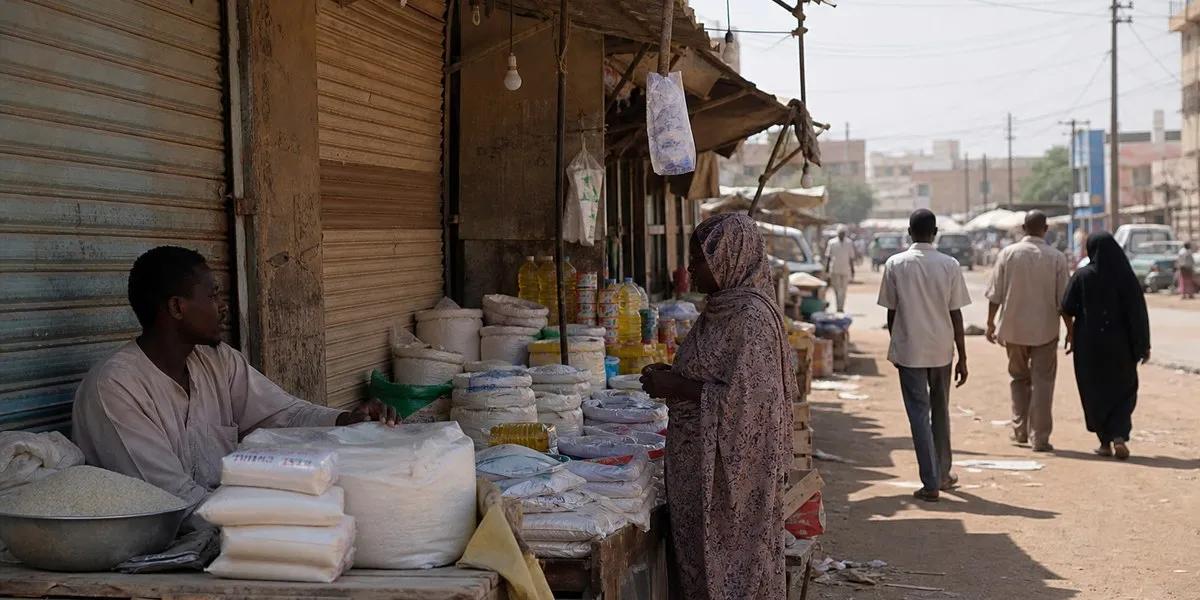
Parallel market dollar dropped to SDG 7,400 after peaking above SDG 8,400. Weaker demand and increased supply pushed the rate down.
5 outlets told this the same way.
Dollar swings on parallel market
Sudan’s parallel market saw the US dollar fall to SDG 7,400 on Monday after it had exceeded SDG 8,400 last week, according to foreign currency traders and Faisal Islamic Bank’s dollar buying rate of SDG 4,334. Ahmed bin Omar told Radio Dabanga that the sharp decline followed “an increase in the supply of foreign currency on the parallel market,” alongside “a relative easing in demand after the sharp rise seen last week.” The same Radio Dabanga report said the easing also coincided with an “increase in the supply of foreign currency” and improved fuel import flows after “several fuel-carrying vessels have completed their movements.”
Finance and Economic Planning Minister Dr Jibril Ibrahim said the war has severely hit Sudan’s private sector, with gross domestic product falling by “more than 40% during 2023 and 2024.” Ibrahim added that the state has lost “more than 80% of its tax revenues,” while oil and export revenues have halted, creating “significant pressures,” even as the currency market fluctuated.
Shops close as prices jump
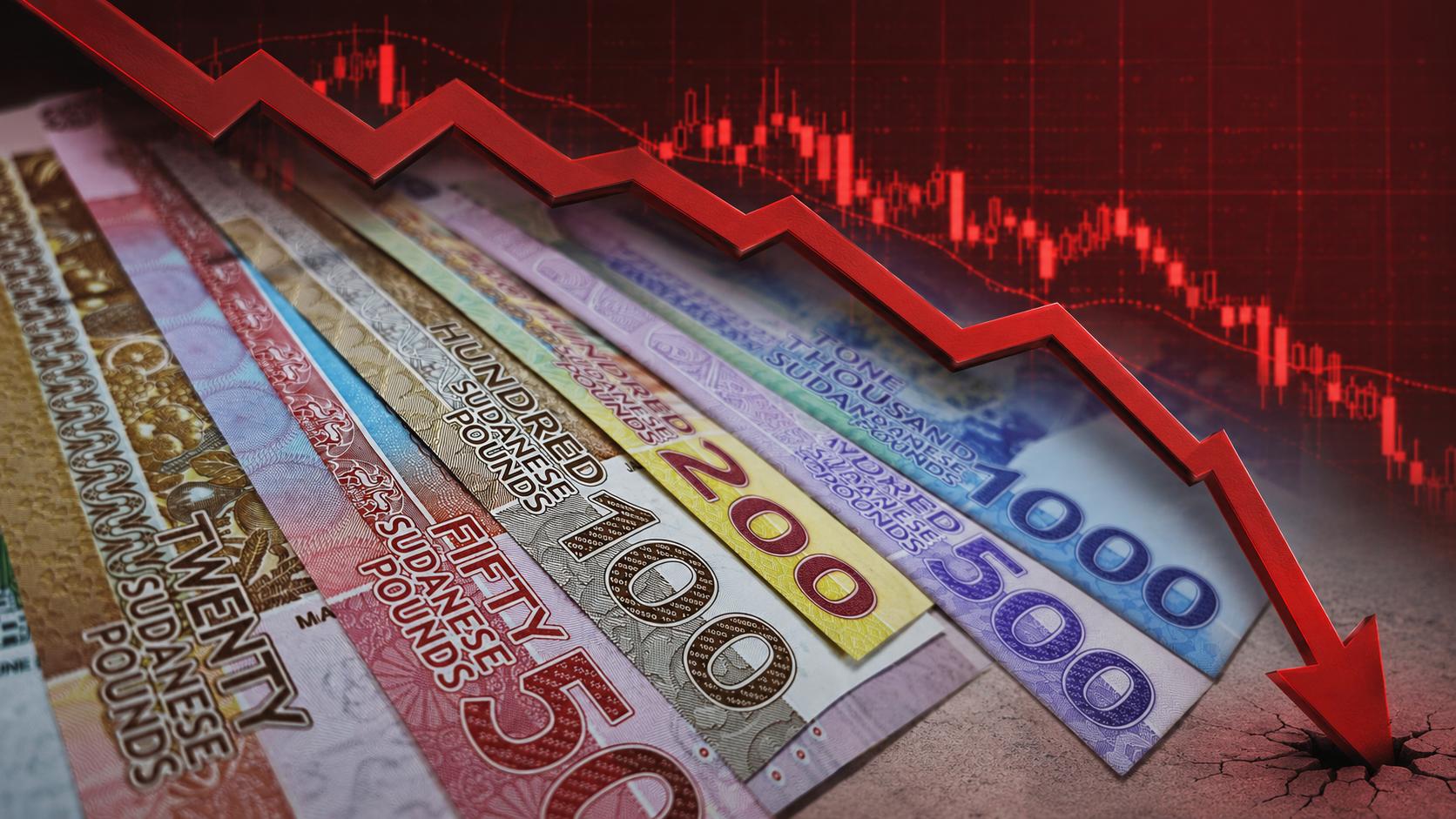
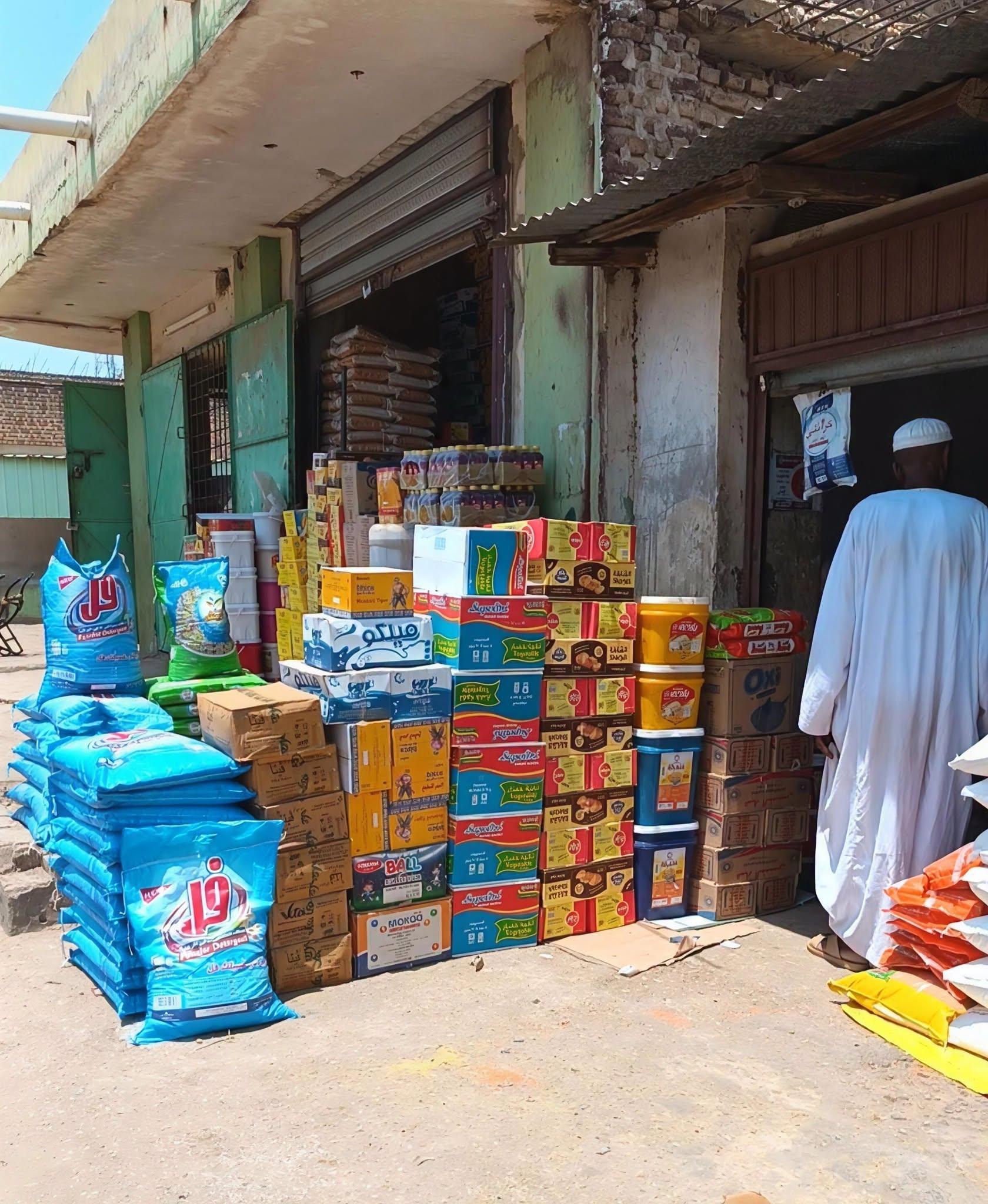
In Ed Dueim, White Nile state, the collapse of Sudan’s pound pushed consumer prices higher as traders struggled to price goods, and about three-quarters of shops in Ed Dueim closed, along with about 90% of wholesale shops in Omdurman. A trader in Ed Dueim told Radio Dabanga that closures reflected “rapid and unpredictable price changes,” which made it difficult for traders “to determine what to charge customers.” Radio Dabanga reported that a 50kg sack of sugar in Omdurman rose from SDG 350,000 to SDG 420,000, while in White Nile state it reached about SDG 440,000.
The same report said a 25kg sack of flour rose from SDG 100,000 on Wednesday to SDG 125,000 on Thursday, and a sack of powdered milk increased from SDG 1.15m to SDG 1.4m. Radio Dabanga also said the dollar traded at between SDG 8,300 and SDG 8,500 on the parallel market, with some transactions reaching about SDG 8,600, as traders linked the increases to the pound’s fall against the dollar.
War blamed, policy response
Sudan’s Finance Minister Jibril Ibrahim attributed the pound’s decline to higher demand for foreign exchange driven by imports outstripping exports, and he said the deterioration affects citizens’ livelihoods, especially those with limited incomes. Ibrahim told Al-Sharq Al-Awsat that “the growth in imports relative to exports is one of the main reasons for the dollar’s rise,” while he linked part of the demand to developments in the Gulf region, the Strait of Hormuz, and Bab al-Mandab. The Sudanese finance minister denied that the government buys dollars on the parallel market, saying, “The government relies on buying and exporting gold to obtain foreign currencies.”
A currency trader operating in downtown Khartoum predicted the dollar could reach 10,000 pounds within days, citing that “the supply of foreign currencies is very limited,” and that some traders had stopped trading at current prices. The Sudanese pound’s slide was described as part of a wider crisis tied to the war since April 2023, with World Bank estimates cited for a real GDP contraction of about 29.4 percent in 2023 and an additional 14 percent drop in 2024.