Technology and Science20 July, 20263 min read
Sudan’s Blue Nile Dengue Outbreak Hits 4,000 Cases, Civil Society Calls Emergency
This article is an automated aggregation of coverage from news outlets. Our editorials offer in-depth analysis curated by the NewsCord team.
Blue Nile dengue outbreak reaches about 4,000 cases, with 2–4 daily deaths. Civil society groups urge a comprehensive public health emergency across Blue Nile state.
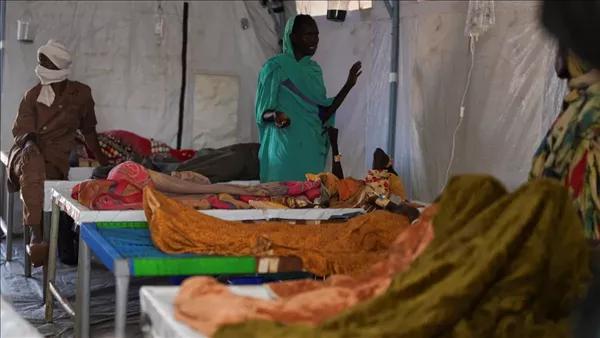
Dengue surge in Blue Nile
Sudan’s Blue Nile state is facing a rapidly escalating dengue fever outbreak that has produced 4,000 recorded cases and has prompted calls for a comprehensive public health emergency. The Civil Society Initiative in Blue Nile State urged authorities to close the city of Ed Damazin for a week so sanitation measures can be carried out to contain the vector-borne epidemic. Ali Hajo, secretary-general of the Blue Nile Civil Society Initiative, said the fever is spreading rapidly across the state, especially in Damazin’s northern neighborhoods and in the Roseires district, as the emergency department at the primary Damazin Hospital is overwhelmed.
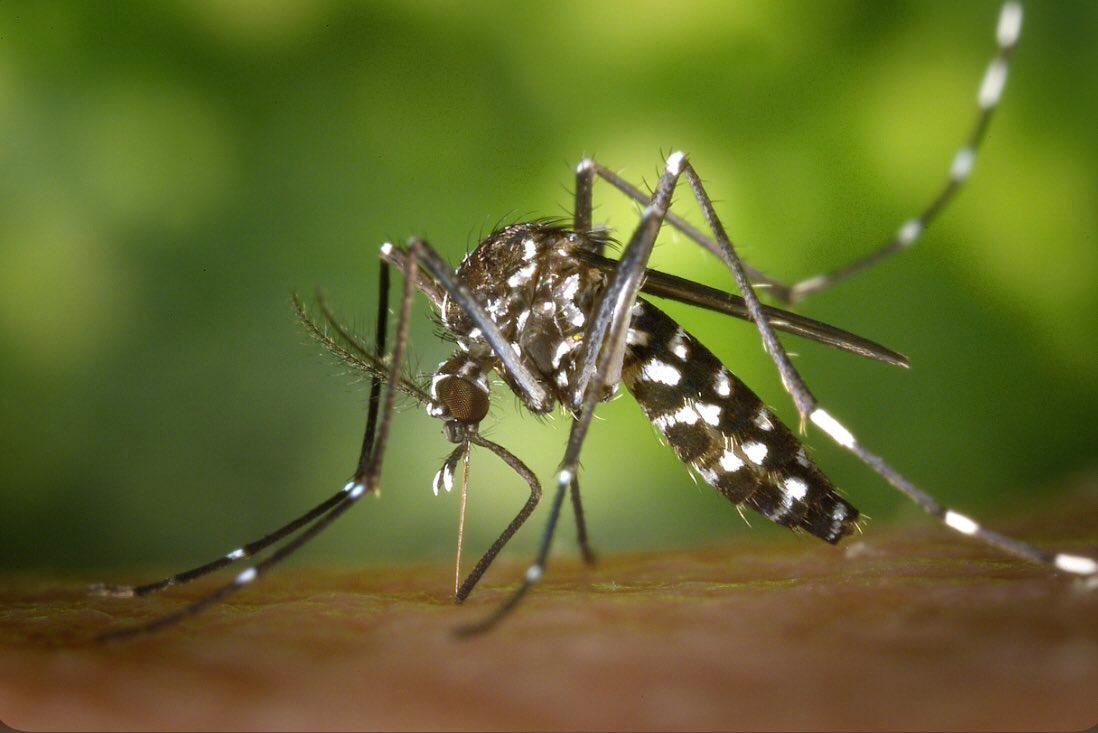
In the same account, the initiative described daily deaths ranging from two to four and said the crisis is worsening amid a total collapse of the local healthcare infrastructure and severe seasonal flooding. The outbreak has been linked to extreme seasonal rains overwhelming dilapidated drainage systems and leaving massive pools of stagnant water that create breeding conditions for Aedes aegypti mosquitoes responsible for transmitting the hemorrhagic virus.
Prices, camps, and warnings
Hajo said the cost of intravenous fluids has risen sharply, with a single IV solution costing 4–5 pounds, making treatment inaccessible to most residents living in difficult conditions. He described displacement camps as extremely difficult, saying heavy rains have washed away the camps and left women and children exposed to the weather and floodwater. In the same framing, the initiative characterized the state’s health system as in complete collapse, with a lack of effective efforts by the authorities and described recent campaigns as mere media propaganda.
Hajo told Radio Dabanga that the civil society initiative and medical professionals had been warning about the outbreak for more than seven months without any effective response from the authorities, and he urged regional and international organizations to provide urgent assistance. He also called for free testing and free treatment, particularly intravenous fluids, in every affected neighbourhood, while urging authorities to allow immediate intervention and not obstruct relief efforts.

War, shortages, and wider risk
A separate report described Sudan’s health and humanitarian crisis as driven by the consequences of armed violence carried out by the Rapid Support Forces militias and the deterioration of essential services, with dengue standing out among the most prominent manifestations. It warned that media reports published today, Monday, noted more than 3,000 Sudanese infected in the past two weeks in the city of Damazin, while crowded hospitals and deaths were placing pressure on health facilities in southeastern Sudan. The same account said the Sudanese government has directly accused Ethiopia of supporting the RSF militias, with the Sudanese Foreign Ministry confirming that unmanned aircraft were launched on Sudanese territory from inside Ethiopia.
It added that Khartoum warned Ethiopian authorities of the consequences of these hostile acts and affirmed its right to defend sovereignty and territorial integrity by all means to counter such attacks. The report also cited a Sudan Doctors Network assessment that more than 200,000 Sudanese citizens, including 20,000 children in Western Bahr el Ghazal, are suffering from dire conditions due to the spread of cholera and measles and a severe shortage of medicines and food.