Technology and Science · updated 2h ago · 2 min read
Swiss Glaciers Lose More Than 5% Of Ice In 2026, Monitoring Warns
Swiss glaciers lost 5.5% of ice volume in 2026, second-largest melt on record. Heat waves and scarce winter snowfall drove the accelerated melt.
25 outlets told this the same way.
10 of 11 outlets skipped it: risk to shipping navigation from record Rhine low levels.
25outlets compared
Ice Loss Accelerates
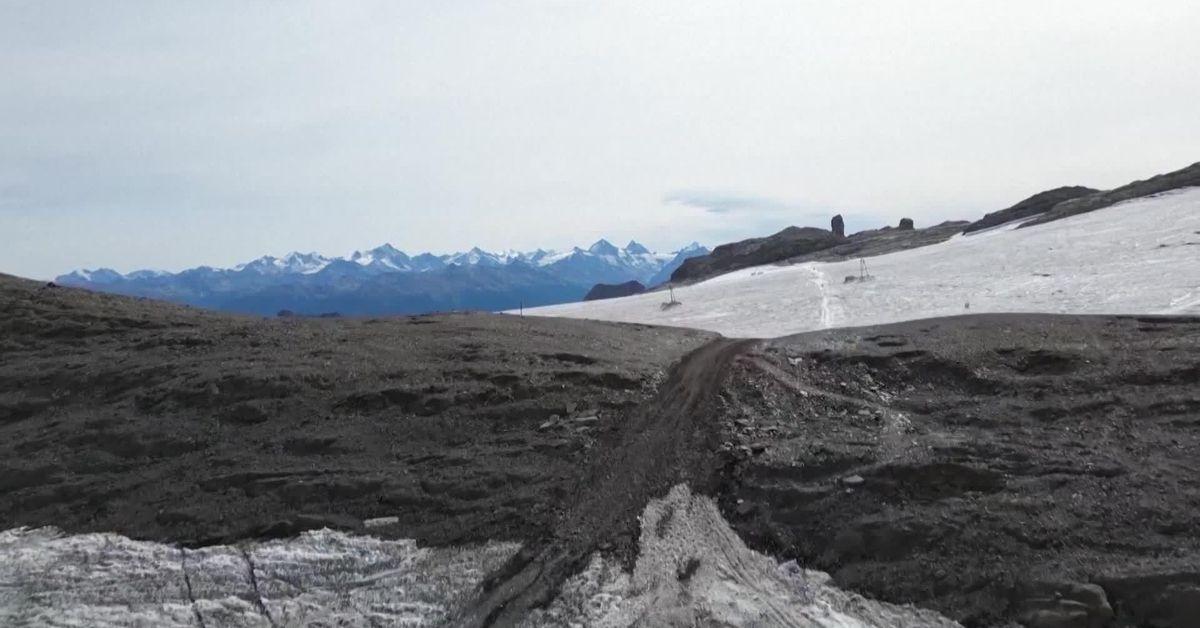
Swiss glaciers suffered a near-record loss of ice in 2026, with more than 5% of the country's remaining glacier ice disappearing in the last 12 months, as intense summer heatwaves took their toll on Alpine peaks. Glacier Monitoring Switzerland director Dr Matthias Huss said, "It's really just disastrous," describing a pace of melting that glaciologists previously considered "extreme" only at around 2% of ice lost in a single year.
Glacier Monitoring in Switzerland (GLAMOS) chief Matthias Huss also said, "This is a glacier that isn't surviving," while calling 2026 a "catastrophic year" after a record-hot summer preceded by a winter with little snowfall. Scientists found that even at 3,500 metres above sea level there was no snow remaining at the end of summer, and Huss said, "At some glaciers we've seen four metres of ice loss at the highest point."
Water, Landslides, and Meltwater
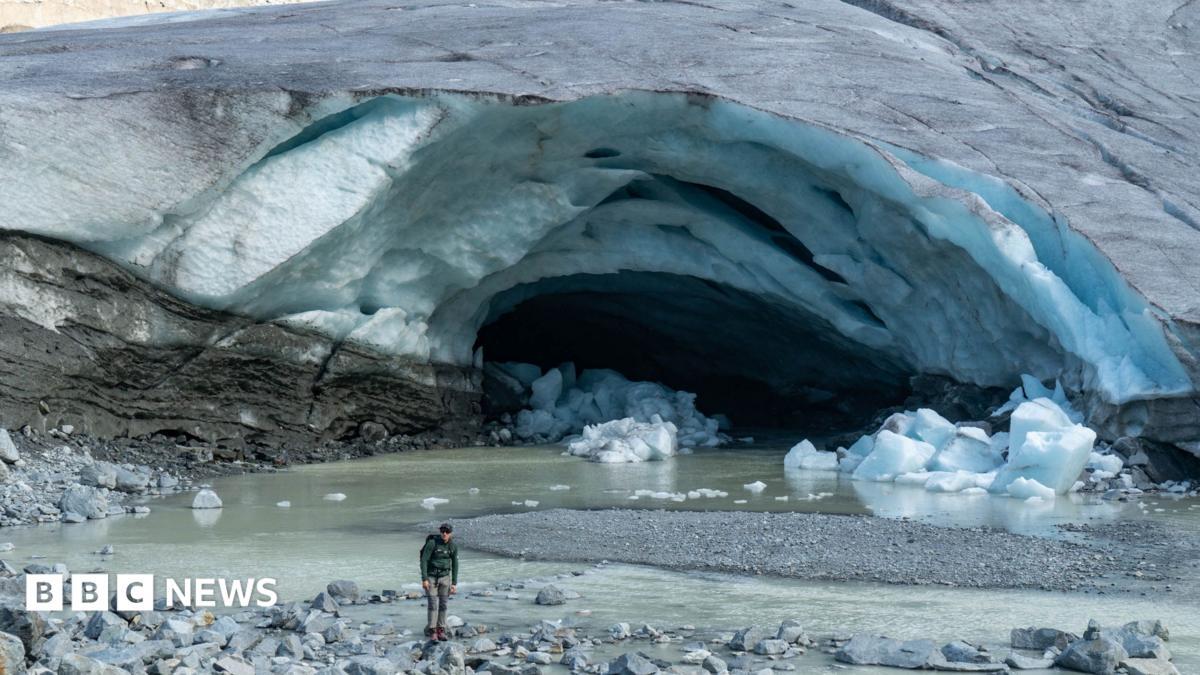
Scientists warned that rapid melting could threaten water supplies for farming, hydropower and transport in the decades ahead, and they said glacier thinning can destabilise mountain slopes and increase the risk of landslides. The BBC reported that Swiss glaciers released 2.2 trillion litres of meltwater between July and September, and Huss said, "Every drop of water that runs off during these heatwaves is kind of old water."
The BBC also linked the loss of glacier ice to flash flooding risk in extreme cases, pointing to Nepal in August and describing it as triggered when a large area of bedrock and glacier ice collapsed. GLAMOS chief Matthias Huss told Euronews that some glaciers had lost between 2.5 and 4 metres in thickness this year, and the monitoring work tracked meltwater and used dye to follow its flow.

How Fast It’s Changing
A new study published on Thursday, October 1 said Swiss glaciers have lost 20% of their volume in five years, with 5.5% of glaciers melted during the first eight months of 2026. MeteoSwiss analysis said the summer season from April to September was the hottest and driest on record since records began in 1864, and the report said the situation was unlikely to improve as meteorologists anticipated a very mild autumn and winter.
The Deutsche Welle report said GLAMOS based its findings on a study network that found a drop of 5.5% of Swiss glaciers this year, and Huss warned, "There will probably be no ice in 10 or maybe 15 years." The BBC added that the River Rhine reached record lows in places this summer, affecting shipping navigation routes and increasing transport costs, while scientists said sharp cuts to carbon emissions can still save much of the world's glacier ice.