China12 July, 20262 min read
Tim Cook Calls Apple’s China Relationship Symbiotic At China Development Forum In Beijing
This article is an automated aggregation of coverage from news outlets. Our editorials offer in-depth analysis curated by the NewsCord team.
Apple describes its China relationship as symbiotic Tim Cook traveled to Beijing for the China Development Forum

Apple, Beijing, and ties
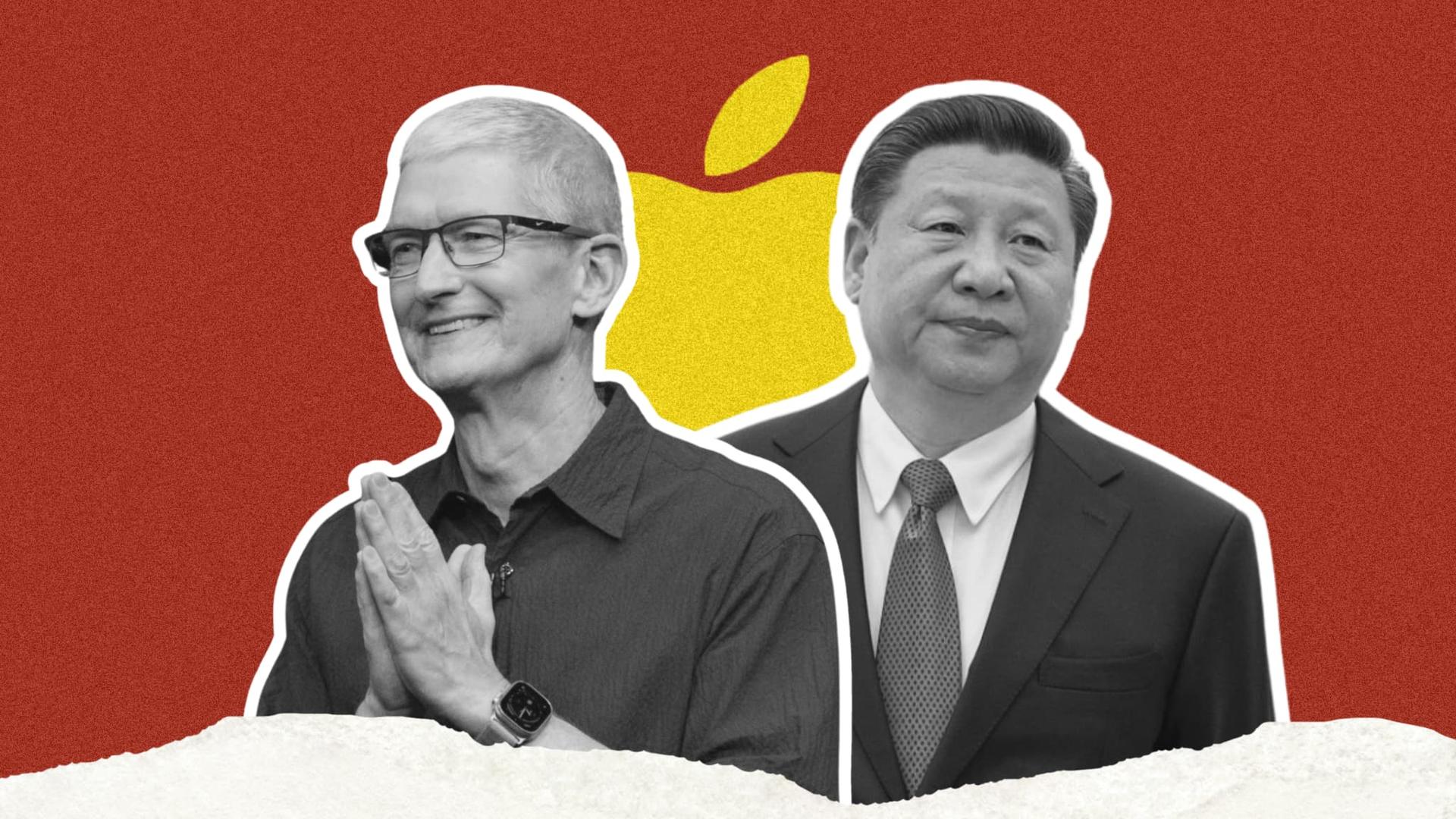
Tim Cook described Apple’s bond with China as a "symbiotic" relationship during his participation in the China Development Forum in Beijing in late March 2023, when he also visited an Apple Store in the city center. In 1999, Cook, then head of operations at Apple, forged a partnership with Foxconn and its founder Terry Gou, laying groundwork for a production chain that enabled Apple to produce at scale. The BFM account traces how Apple shifted production to mainland China in the 1980s, with the "Guangdong model" tied to relocating labor-intensive industries to underdeveloped regions of Guangdong on China’s southeast coast.
It says that between 2000 and 2007 Apple delegated a large portion of production to Chinese factories such as Foxconn’s and Pegatron’s, and that with the launch of the iPhone in 2007, China became the company’s main manufacturing hub. The article also notes that Cook boasted in 2023 about this "special" relationship, even as relations between Beijing and the Silicon Valley giant have not always been smooth.
Britain thaws with China
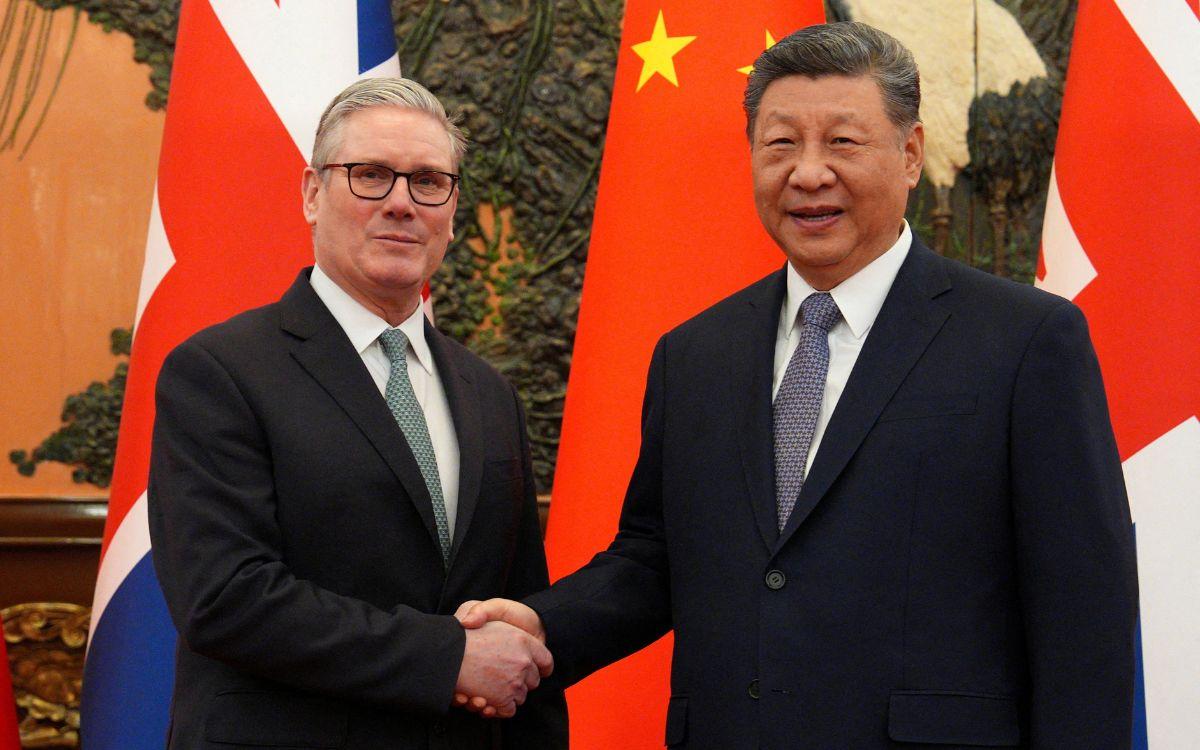
British Prime Minister Keir Starmer, the first UK prime minister to visit China since 2018, met Chinese President Xi Jinping in Beijing on Thursday and pledged to relaunch the bilateral relationship and build a "consistent and long-term strategic alliance." Starmer said at the start of the meeting that "China is a globally vital actor," while Xi called it an "imperative" to boost dialogue between the two countries in a world that is "turbulent." The article says China will apply an exemption for visits of up to 30 days for tourism or business, putting the United Kingdom "in line with the other 50 countries," including France, Germany, Italy, Australia, or Japan, according to Downing Street.
It reports that Starmer was welcomed by Chinese Prime Minister Li Qiang, with whom he presided over the signing of a dozen bilateral agreements in areas such as trade, health, sports, food safety, or irregular migration. The piece adds that Donald Trump warned Starmer’s outreach was "very dangerous," saying, "It's very dangerous for them to do that."
Global stakes and pressure
The BFM account frames Apple’s China manufacturing shift as part of broader geopolitical tensions, describing a relationship that has been "a long journey on the waves of the global economy and geopolitics." In a separate analysis, Nonfiction.fr’s Benjamin Bürbaumer argues that "instead of separating politics from economics, we should think of them together," linking Sino-American tensions to political and economic factors. Bürbaumer’s piece says China intends to establish alternative infrastructures, including physical ones like the 'New Silk Roads,' and that China seeks to bypass the United States by shaping "its circuits for the movement of capital and goods."
Aristegui Noticias reports that Starmer described the trip as "productive," with "concrete results," and argued he acts "always in the national interest" after meeting Xi at the Forbidden City. Across the accounts, the stakes are cast as global leverage and hegemony, with the Nonfiction.fr text quoting Antonio Gramsci’s concept that "By combining coercion and consent, [China's] approach corresponds exactly to a hegemonic project."