Technology and Science30 April, 20266 min read
Türkiye’s COP31 Presidency And IEA Launch Strategic Partnership In Paris Ahead Of COP31
This article is an automated aggregation of coverage from news outlets. Our editorials offer in-depth analysis curated by the NewsCord team.
Türkiye’s COP31 presidency and IEA form a strategic partnership to accelerate the energy transition. Partnership aims to accelerate the global clean energy transition amid the ongoing energy crisis.
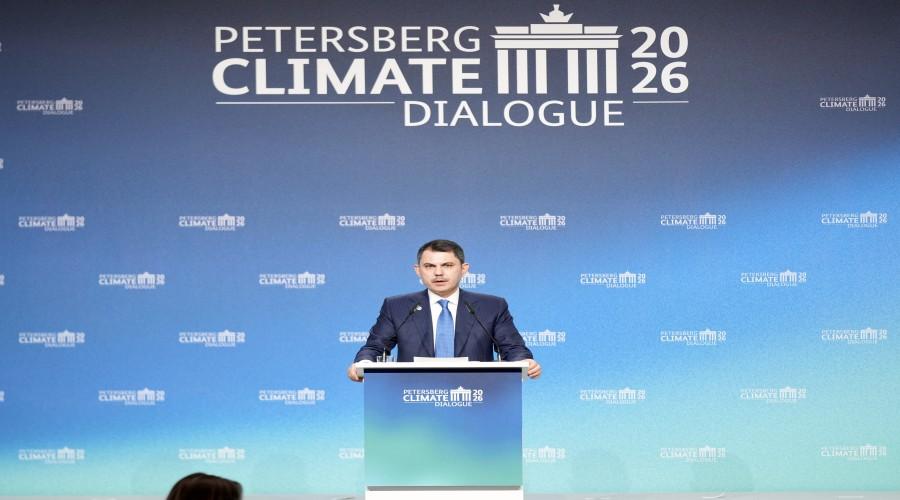
IEA and COP31 Partnership
Türkiye’s COP31 Presidency and the International Energy Agency (IEA) announced a new strategic partnership at a high-level dialogue in Paris, positioning it as a vehicle to “deliver concrete solutions” ahead of November’s COP31 summit.
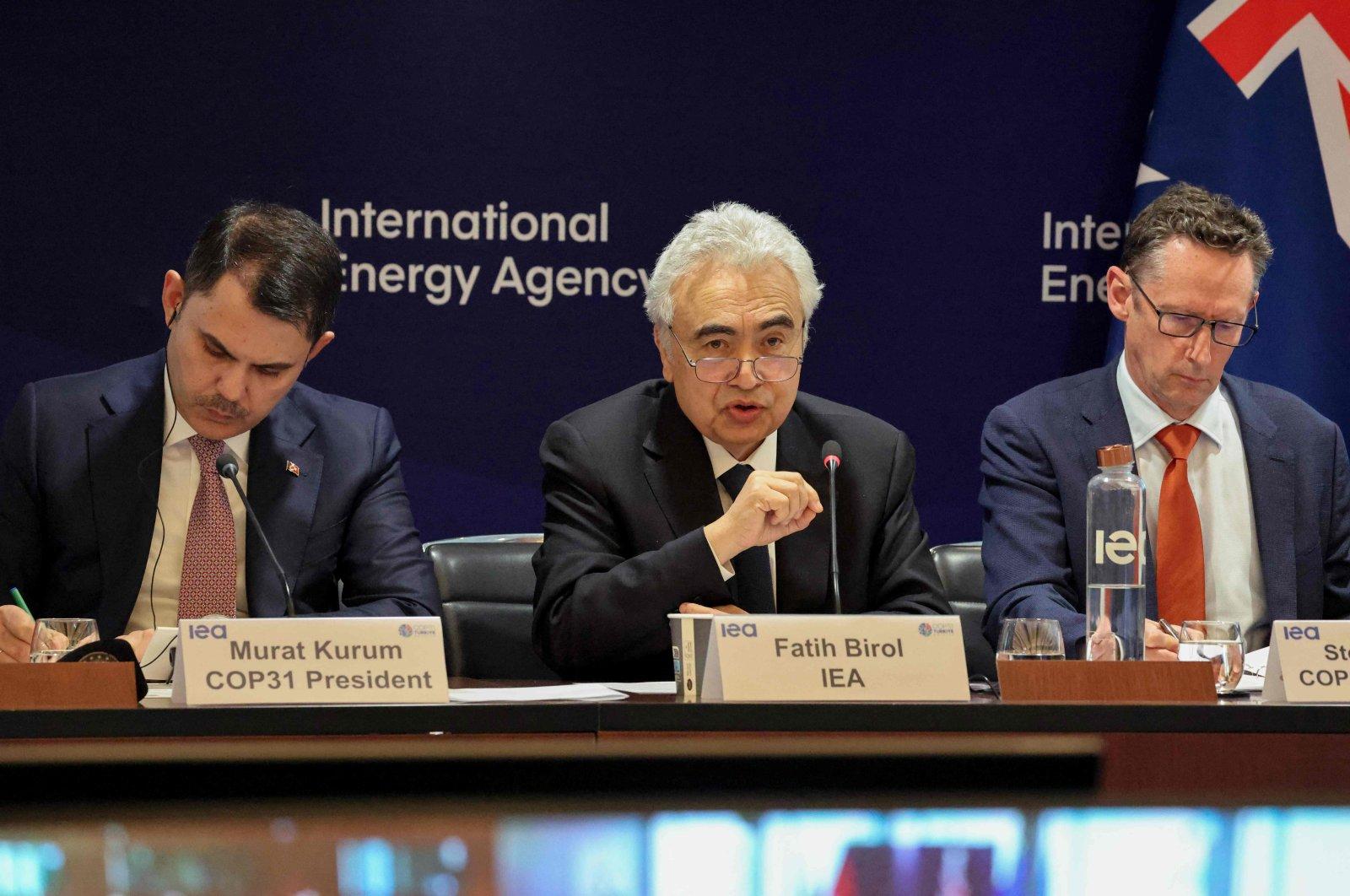
The partnership was launched at a High-Level Dialogue at the IEA headquarters in Paris, attended by “over 50 governments, former COP Presidencies, and private sector and civil society leaders,” according to Tech Review Africa.

The meeting was chaired by IEA Executive Director Fatih Birol, while COP31 President-Designate H.E. Murat Kurum, Türkiye’s Minister of Environment, Urbanization and Climate Change, framed the effort as a way to combine technical work with political momentum.
Kurum said: “I am delighted to announce a strategic partnership between COP31 and the IEA. Combining the IEA’s unparalleled technical expertise with the unique convening power and political leadership of COP, we will deliver concrete solutions and help build agreement on energy systems fit for the future.”
The partnership’s planned outputs include “new data, analysis and policy advice,” with focus areas that include “renewable energy deployment, green industrialization and clean cooking,” Tech Review Africa reported.
Climate Home News added that the Paris-based watchdog would work with the host nation of this year’s UN climate summit on areas including “energy supply and security, electrification and green industrialisation,” while Kurum said the “most critical step” is to accelerate the transition to clean energy.
Energy Crisis as Catalyst
Across the Paris dialogue, speakers tied the partnership’s urgency to what multiple outlets described as a deepening energy crisis driven by the Iran war and related market disruptions. Anadolu Ajansı reported that IEA chief Fatih Birol warned the world is facing “a deepening energy crisis,” saying oil prices were climbing “above $120 per barrel” and putting “mounting pressure on economies.” Birol told the meeting: “The world is facing a major energy and economic challenge,” and added that the IEA was “monitoring the situation on a daily basis,” Anadolu Ajansı wrote.
He also said: “What is happening now shows that unfortunately, we were right,” and that “Oil prices are now over $120, which is putting a lot of pressure on many countries.” Anadolu Ajansı linked the escalation to Iran’s response to the US-Israeli war by closing the Strait of Hormuz, stating: “Iran retaliated against the US-Israeli war by not just staging attacks on the US and Israel, but by closing the Strait of Hormuz, sending shockwaves through global energy markets.” Daily Sabah similarly described the crisis as amplifying calls for clean energy transition, quoting Murat Kurum saying: “The world is facing the biggest energy crisis in its history today,” and warning that “the most critical step is to accelerate the transition to clean energy.”

Clean Cooking at the Center
A central thread in the Paris discussions was clean cooking, with Kurum and other speakers linking the issue to both health and climate goals while arguing that the energy crisis could reverse progress.
Tech Review Africa reported that Kurum committed to placing access to clean cooking “at the centre of the global agenda” this year, working with partners to drive funding towards the issue.
The same outlet said: “Over 2.3 billion people, mainly in Africa and Developing Asia, use solid fuel for cooking, contributing to millions of deaths every year,” and it described the energy crisis’s impact as pushing families back toward dirty fuels.
Kurum warned that the crisis “threatens to throw the progress the world has made on clean cooking into reverse,” with energy prices and insecurity forcing households to “revert to burning wood, coal and other dirty fuels.”
Climate Home News echoed the scale of the challenge, stating that the IEA has been leading discussions on helping “the 2.3 billion people across the world – mainly in the Global South – using highly-polluting fuels like charcoal, firewood and waste switch to cleaner and more efficient cooking solutions.”
Tech Review Africa framed clean cooking emissions as a practical target, quoting Kurum: “Clean-cooking emissions are some of the cheapest to chase, and offer crucial co-benefits to vulnerable families across the world. This is an opportunity we cannot afford to miss.”
Finance, Fossil Fuels, and Renewables
Speakers at the Paris dialogue also connected the energy crisis to climate finance shortfalls and to the political case for renewables, with Simon Stiell appearing in multiple reports.
Tech Review Africa described Kurum issuing a “rallying cry to donors,” arguing that the energy crisis combined with “a drop of international aid by almost a quarter last year (OECD)” is creating a “twin crisis that is putting immense pressure on vulnerable families across the developing world.”
It added that Kurum argued cuts to climate finance are “short-sighted” and “against the spirit of deals struck by the multilateral community,” and it quoted him saying the “COP31 Presidency will hold donors to account for the promises they made under the COP29 Baku Finance Goal.”
Anadolu Ajansı quoted UN climate chief Simon Stiell saying: “The fossil fuel cost crisis now has its foot on the throat of the global economy, and stagflation on the march,” and it reported him calling for finance to be delivered “in full and on time” under the “New Collective Quantified Goal for climate finance.”
Daily Sabah echoed Stiell’s language, quoting him: “From this tragedy, an immense irony is unfolding. Those who've fought to keep the world hooked on fossil fuels are inadvertently supercharging the global renewables boom,” and it described the Paris meeting as being held ahead of COP31 in Türkiye’s southern city of Antalya this November.
Climate Home News added that Stiell said “We must get finance flowing, rapidly,” and it tied the call to making “the roadmap to $1.3 trillion a reality,” while also urging “the Action Agenda – equitably, in both the global North and South.”
Dialogue, Audiences, and Next Steps
The Paris meeting was presented as the first in a series of dialogues aimed at advancing energy discussions ahead of COP31, with multiple outlets describing who attended and what was expected next.
Tech Review Africa said the High-Level Dialogue at the IEA headquarters in Paris was attended by “over 50 governments, former COP Presidencies, and private sector and civil society leaders,” and it reported that Kurum confirmed one of the partnership’s first tasks would be to provide “new data and analysis on the impact of waste and recycling measures on climate change.”
Climate Home News similarly described the partnership as “strategic,” saying it aimed to speed up the global clean energy transition amid “the biggest energy crisis in history” triggered by the Iran war, and it reported that the IEA convened representatives from over 50 governments.
It also named additional figures connected to the COP process, including “veteran French diplomat Laurent Fabius” and “Britain’s COP26 chief, Alok Sharma,” and it reported that “Sultan Al Jaber, the UAE’s COP28 president, was “very sorry” for not being able to join the meeting.”
For the immediate agenda, Tech Review Africa reported Kurum’s commitment to clean cooking and said the partnership would deliver policy advice ahead of COP31, while Anadolu Ajansı and Daily Sabah emphasized that the energy crisis was intensifying and that governments were accelerating transition plans.
Anadolu Ajansı quoted Stiell saying “We must seize this moment. We've no time to lose,” and it also called for “scaling up investment in power grids and energy storage” and “cutting methane emissions.”