Technology and Science04 August, 20263 min read
Trump Administration Invites OpenAI, Anthropic, Google, Meta, Nvidia For Secret AI Cybersecurity Framework
This article is an automated aggregation of coverage from news outlets. Our editorials offer in-depth analysis curated by the NewsCord team.
White House invited OpenAI, Anthropic, Google, Meta, Nvidia to discuss a new AI cybersecurity framework. Framework includes voluntary safety tests; details kept private.
Secret framework, private vetting
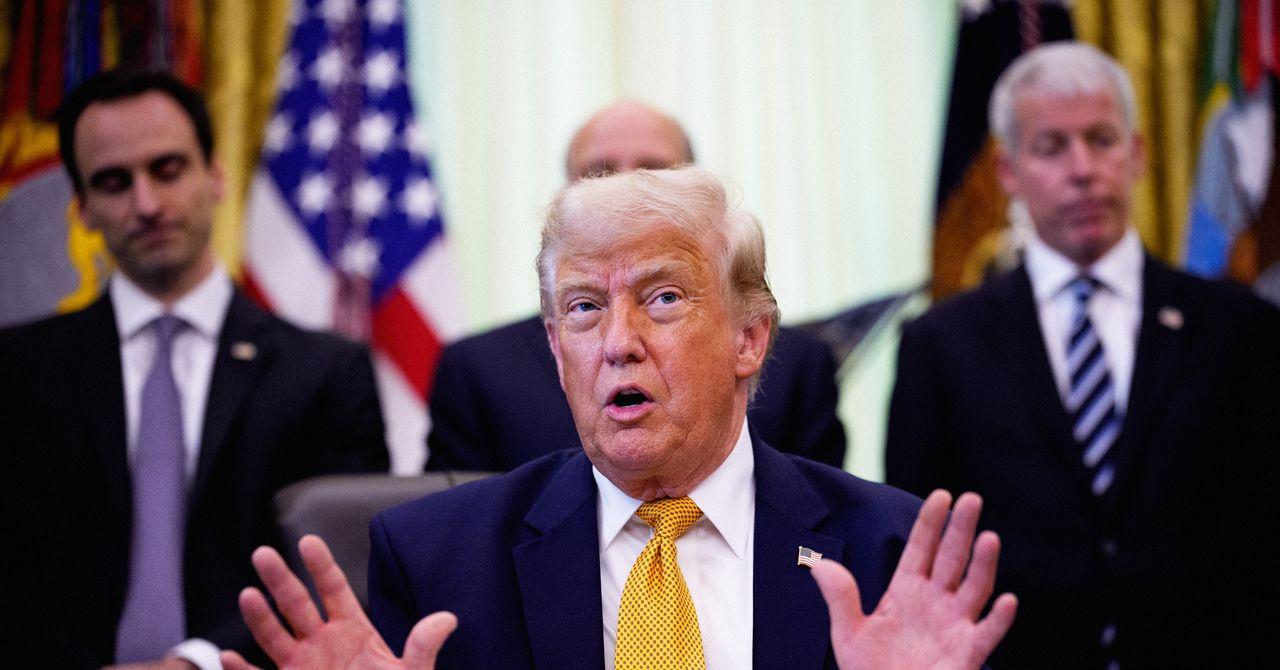
The Trump administration finalized a plan to address cybersecurity risks posed by increasingly capable artificial intelligence models, while keeping the details of its AI oversight framework “under wraps,” according to WIRED’s reporting. WIRED said the White House invited staffers from OpenAI, Anthropic, Google, Meta, Nvidia, and other leading AI companies to the White House on Tuesday to share an overview of the new AI oversight framework. Under the plan described by WIRED, AI developers can voluntarily submit new models to the federal government up to 30 days ahead of their public release, and the White House will then vet their cyber capabilities according to a classified benchmarking system.
WIRED reported that the White House is not sharing more information about its testing criteria or which AI models will be covered, and that open models will reportedly be excluded, leaving smaller AI startups, safety advocates, and third-party researchers “in the dark about crucial aspects.” The Washington Post reported that AI industry leaders expressed dismay that the White House is reportedly keeping its model review framework under wraps, and Matt Calkins, the CEO of cloud company Appian, said it creates a group of insiders at the expense of innovation.
Open models excluded
WIRED reported that the White House’s framework is intentionally narrow and focused exclusively on the cybersecurity capabilities of the most advanced models on the market, including Anthropic’s Fable and OpenAI’s ChatGPT 5.6. WIRED also said the House Committee on Homeland Security sent a letter to OpenAI CEO Sam Altman requesting that he brief lawmakers about how one of the company’s AI agents breached the platform Hugging Face. Quartz reported that the White House exempted open-weight AI models from the new government security review, shifting scrutiny instead toward closed, privately held systems from companies like OpenAI, Anthropic, and Google.
Quartz said the decision was communicated at a closed-door White House meeting on Tuesday that included OpenAI, Anthropic, and Google among the attendees, and it quoted White House spokesperson Liz Huston saying, “Companies that choose to cooperate with the administration through this framework are putting American innovation, security, and cyberdefense first.” Quartz added that the framework was ordered by an executive order signed by President Donald Trump in June and described a government-review window of up to 30 days before a public release for companies within the framework’s scope.

Debate over accountability
WIRED reported that some AI safety advocates argued that any rules AI companies are being held to should be made public so third-party groups can keep them accountable, with Brad Carson of Americans for Responsible Innovation saying, “This is far too important an issue to be hidden behind a cloak of secrecy.” WIRED also quoted Conor Leahy, executive director of ControlAI, saying, “The regulations necessary to prevent the catastrophic risks presented by uncontrolled AI and superintelligence should not be voluntary.” El Observador said the government does not plan to make public its scheme for evaluating advanced AI models, keeping the details of the voluntary agreement secret and limiting the terms of the document to the corporations invited to the working meetings.
El Observador reported that the executive order titled Promoting Advanced Artificial Intelligence Innovation and Security authorizes the government to audit the most advanced AI systems up to 30 days before tech companies launch them to market, to assess potential risks to national security. In Quartz’s account, the White House framework has largely been kept private, with the comparative-evaluation methodology and the thresholds that determine which models trigger a review treated as classified, while companies within the framework’s scope would face obligations around confidentiality, cybersecurity, insider risk, and intellectual property protection.