Financeupdated 55m ago2 min read
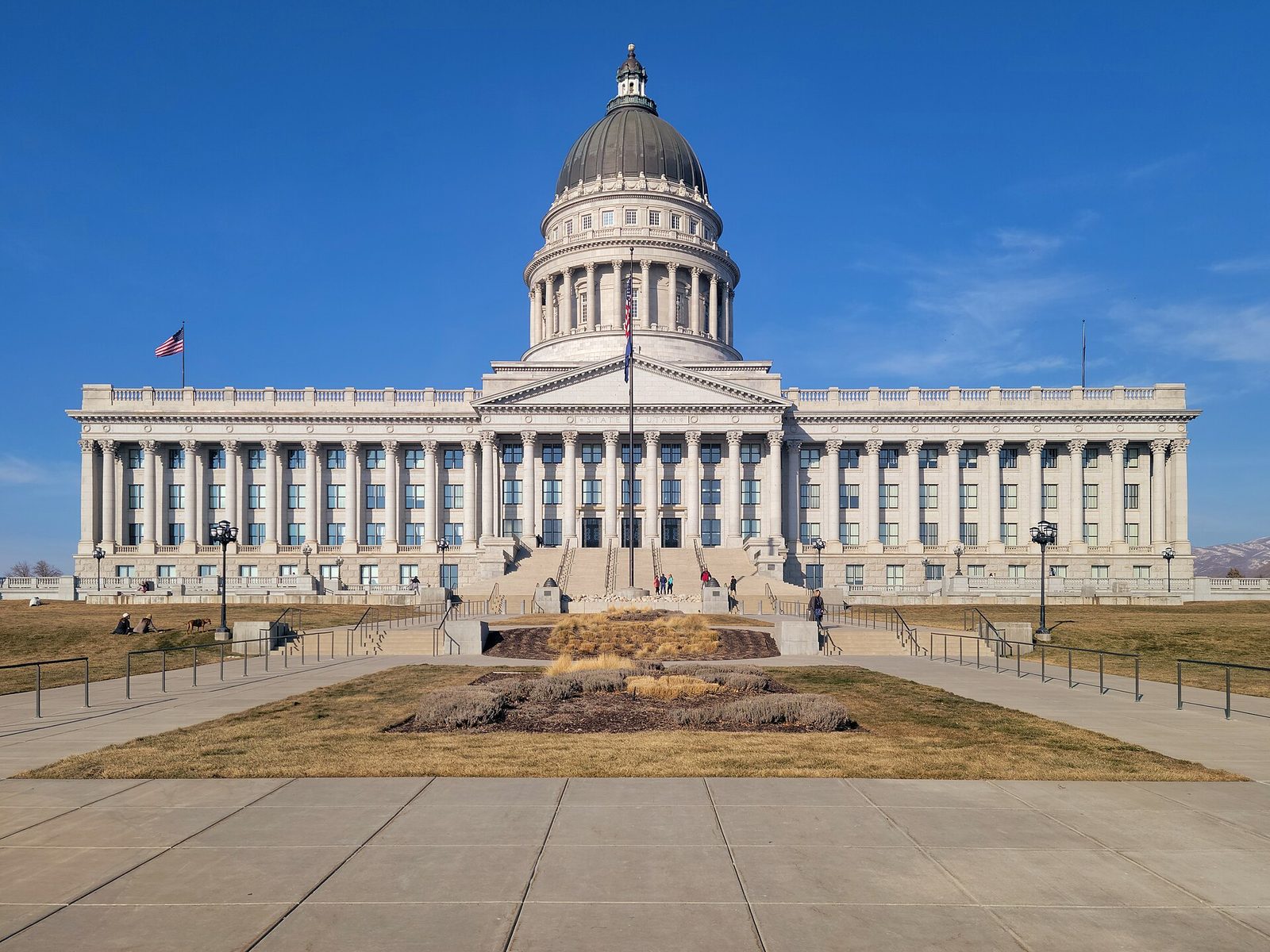
Archive photo · 15 January 2022Trump Administration Sues Utah Over Kalshi Gambling Ban, CFTC Says
“The attorney general filed criminal charges against Kalshi Wednesday, claiming a pattern of unlawful conduct.”
“The lawsuit follows a lengthy battle the state has been fighting against prediction markets.”
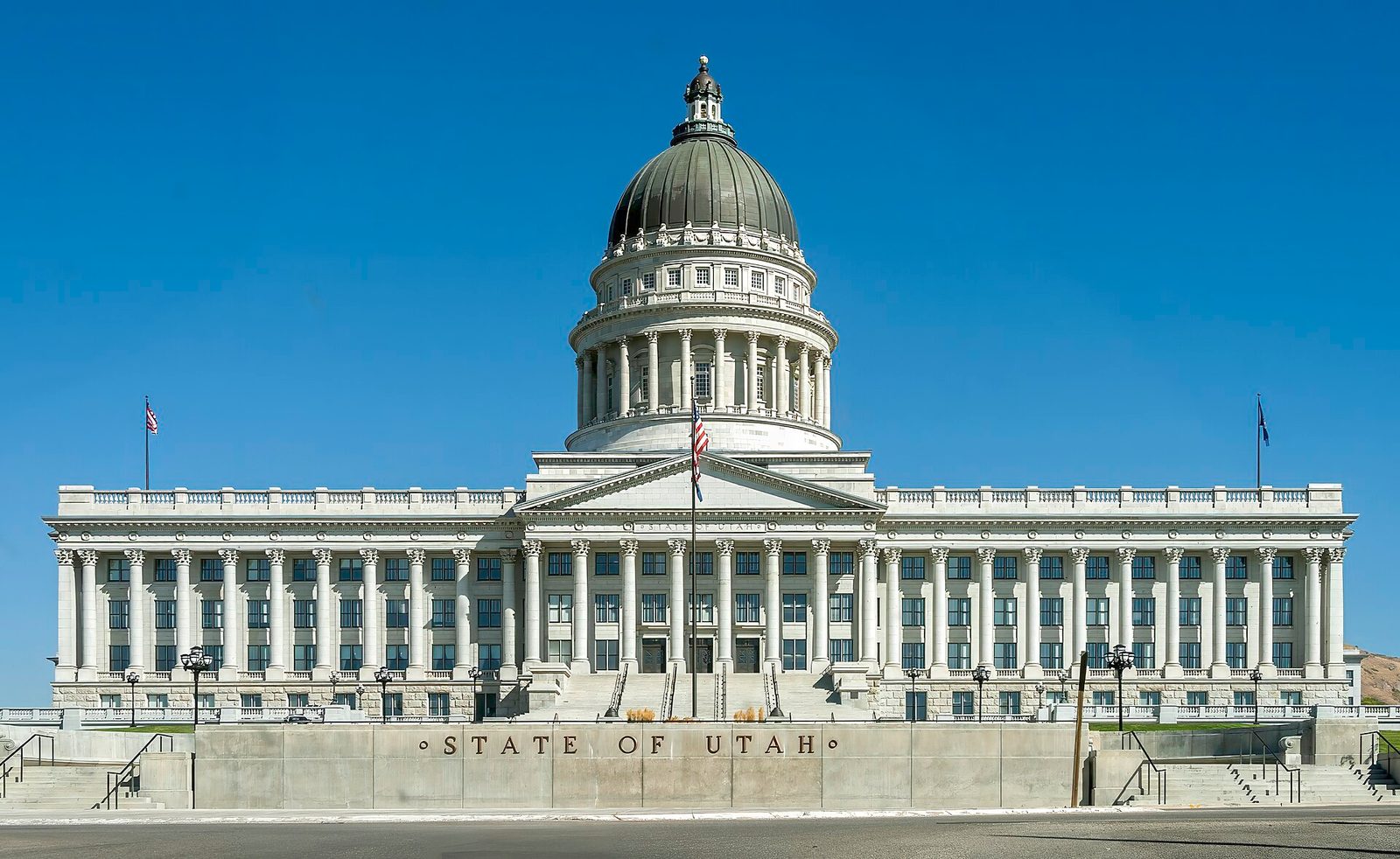
Photo: GyozaDumpling, CC BY-SA 4.0 · Cropped for layout
This article is an automated aggregation of coverage from news outlets. Our editorials offer in-depth analysis curated by the NewsCord team.
Federal government sues Utah in federal court to block Kalshi gambling ban enforcement. Utah AG filed civil suit against Kalshi for violating state anti-gambling laws.
Utah vs Kalshi
The Trump administration sued Utah to stop the state from enforcing its gambling ban against Kalshi, making Utah the 10th state sued by the US government agency that regulates prediction markets.
Utah Attorney General Derek Brown said, "Kalshi runs an online casino in Utah and calls it a prediction market. That violates Utah law," and Utah argued that its constitution and laws prohibit gambling.
The Commodity Futures Trading Commission said it filed a lawsuit against Utah to block the state’s efforts to shut down CFTC-registered contract markets using state laws, and the commission said Utah’s actions obstructed Congress’s decision to federally preempt state law.
Kalshi insisted it engages in "contracts" governed by federal law and not gambling, and Judge Robert Shelby rejected Kalshi’s arguments and refused to block Utah from enforcing anti-gambling laws.
CFTC seeks injunction
The CFTC asked U.S. District Court Judge Robert Shelby for an injunction to block Utah from enforcing action, and the CFTC argued it has oversight of predictive markets like Kalshi.
CFTC chairman Michael Selig said, "Congress entrusted the CFTC to be the federal regulator with sole responsibility to oversee these markets," and he said the state was trying to shut down event contracts across a wide variety of markets.
The CFTC also sought preliminary and permanent injunctions that would bar Utah from enforcing its gambling laws against markets the CFTC regulates, and the suit asked for measures to prevent state officials from undertaking coercive actions against regulated platforms and their business partners.
Utah’s lawsuit against Kalshi targeted event contracts and accused the prediction market of causing a public nuisance by skirting the state’s 130-year-old gambling ban, while the federal complaint said Utah had no authority to ban derivatives markets governed by federal law.
Money, jurisdiction, next steps
The dispute turned on jurisdiction and potential financial stakes, with the federal government seeking to stop Utah from investigating "CFTC-regulated entities and their affiliates and partners" for violating state laws. Utah Attorney General Derek Brown’s office filed criminal charges against Kalshi, charging KalshiEx, LLC, with a pattern of unlawful activity, a second-degree felony, and charging online gambling promotion with a third-degree felony and a class A misdemeanor of general gambling promotion.
The federal government said Utah’s effort to enforce anti-gambling laws would violate a rule requiring designated contract markets to provide "impartial access" to all eligible participants nationwide, and the federal lawsuit argued that the commission’s exclusive jurisdiction precludes Utah from regulating or prohibiting commodity-exchange-act-regulated transactions. The Hill described the CFTC’s position that "if a state challenges the lawful operation of a derivatives exchange, the Commission will protect federal sovereign interests," as the case continued after a prior court ruling in August that Utah could enforce its gambling restrictions against Kalshi’s sports contracts.