South America12 February, 20262 min read
Trump Administration Warns China Is Costing Peru Its Sovereignty By Solidifying Control Of Chancay Port
This article is an automated aggregation of coverage from news outlets. Our editorials offer in-depth analysis curated by the NewsCord team.
Trump administration warned Peru could lose sovereignty as China solidifies control over Chancay port A Peruvian court ruled the Chancay port exempt from some regulatory oversight

7 outlets told this the same way.
Outlets did split on Brazil Police Kill Suspect After 13 Kindergarteners Held Hostage In Curitiba →
Chancay port sovereignty concerns
The Trump administration has publicly warned that Peru may be ceding sovereignty over the Chinese-operated Chancay port after a Peruvian judge ruled the facility exempt from oversight by the country’s infrastructure regulator, Ositran. U.S. officials, including the State Department’s Bureau of Western Hemisphere Affairs, framed the ruling as a strategic risk and posted that Chancay’s status is a "cautionary tale." They added that "cheap Chinese money costs sovereignty," language that was repeated across U.S. sources.
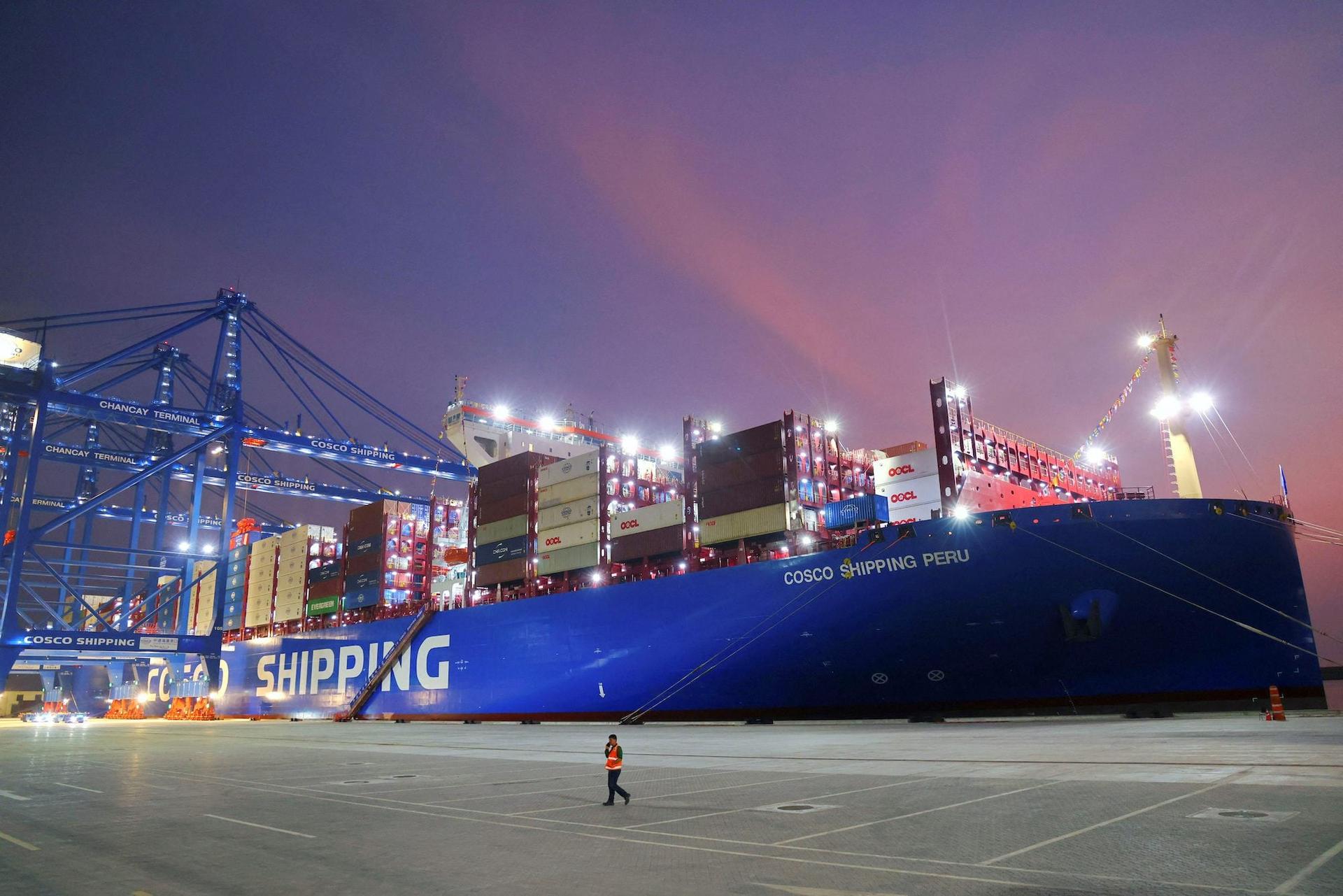
“The $1.3 billion port, about 78 km north of Lima, was inaugurated by President Xi Jinping in 2024 and is operated by China’s Cosco Shipping Ports.”
U.S. sources described the move as the most direct U.S. criticism yet of Peru’s ties with China. The port is a $1.3 billion deep-water facility operated by China’s Cosco Shipping Ports and was inaugurated by President Xi Jinping in 2024. It sits about 78 km north of Lima and has become the focal point of diplomatic unease between Washington, Lima and Beijing.
Chancay port oversight dispute
At the heart of the row is a Jan. 29 judicial decision that, according to reporting, exempts Chancay from some or all supervision by Ositran — Peru’s infrastructure regulator.
Ositran’s president said the decision would leave users unprotected.
Regulators and Cosco dispute whether Ositran’s remit should apply to a privately owned port, with the company arguing it sued to protect private‑port rights.
Cosco pointed out that users still have recourse to courts and the consumer protection agency.
Peru’s deputy port general manager, Gonzalo Rios, told reporters the state continues to control aspects like customs and other agencies.
Ositran and its head, Veronica Zambrano, say the exemption would create an unprecedented lack of regulatory oversight.
Chancay control dispute
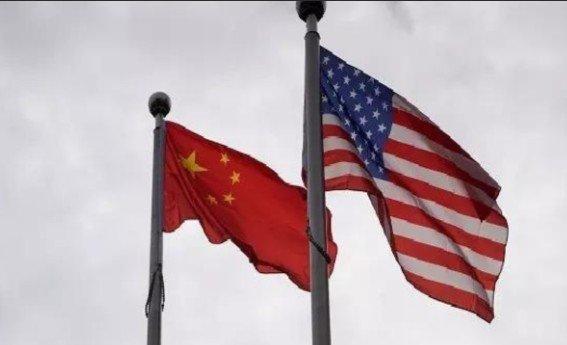
Beijing and Cosco have rejected the U.S. warnings and frames that suggest sovereignty has been compromised. Multiple outlets report that China and Cosco insist Peruvian authorities retain control over security, customs and law enforcement at Chancay. They call U.S. claims disinformation.
“Beijing and Cosco reject the allegations, insist Peruvian authorities still control security and customs, and call U.S. claims disinformation.”
Cosco's Peru unit says it is defending rights as a private operator. It says the court decision reflects a legal dispute over regulatory scope rather than a transfer of control to China.
U.S.–China stakes in Chancay
The broader geopolitical context underscores why the dispute has drawn Washington’s attention. Reporting notes heavy Chinese investment across Peru, with Beijing long Peru’s largest trading partner.
Chancay’s scale — described as Latin America’s deepest port able to handle the largest Asia–South America vessels — gives it outsize economic and strategic significance. U.S. engagement in the region is increasing in parallel: outlets cite talks about a potential $1.5 billion U.S.-built naval base near Chancay and public concern voiced by U.S. diplomats, placing the Chancay case inside a wider U.S.–China competition for influence in Latin America.
Chancay legal dispute
Ositran says it will appeal the ruling. U.S. diplomats and officials have publicly pressed Peru on potential strategic and sovereignty implications. Cosco maintains legal and operational defenses.
“Ositran’s head warned the ruling leaves users unprotected; she says Chancay itself asked to avoid that supervision and a lower court granted it.”
Peruvian officials give differing assurances about how much regulatory control remains. The combination of legal ambiguity, competing national narratives and high-stakes infrastructure investment means the Chancay case likely will continue to be litigated, appealed and debated in diplomatic channels. Outlets diverge on whether the core issue is regulatory technicalities, economic sovereignty or national security.
