USAupdated 57m ago2 min read
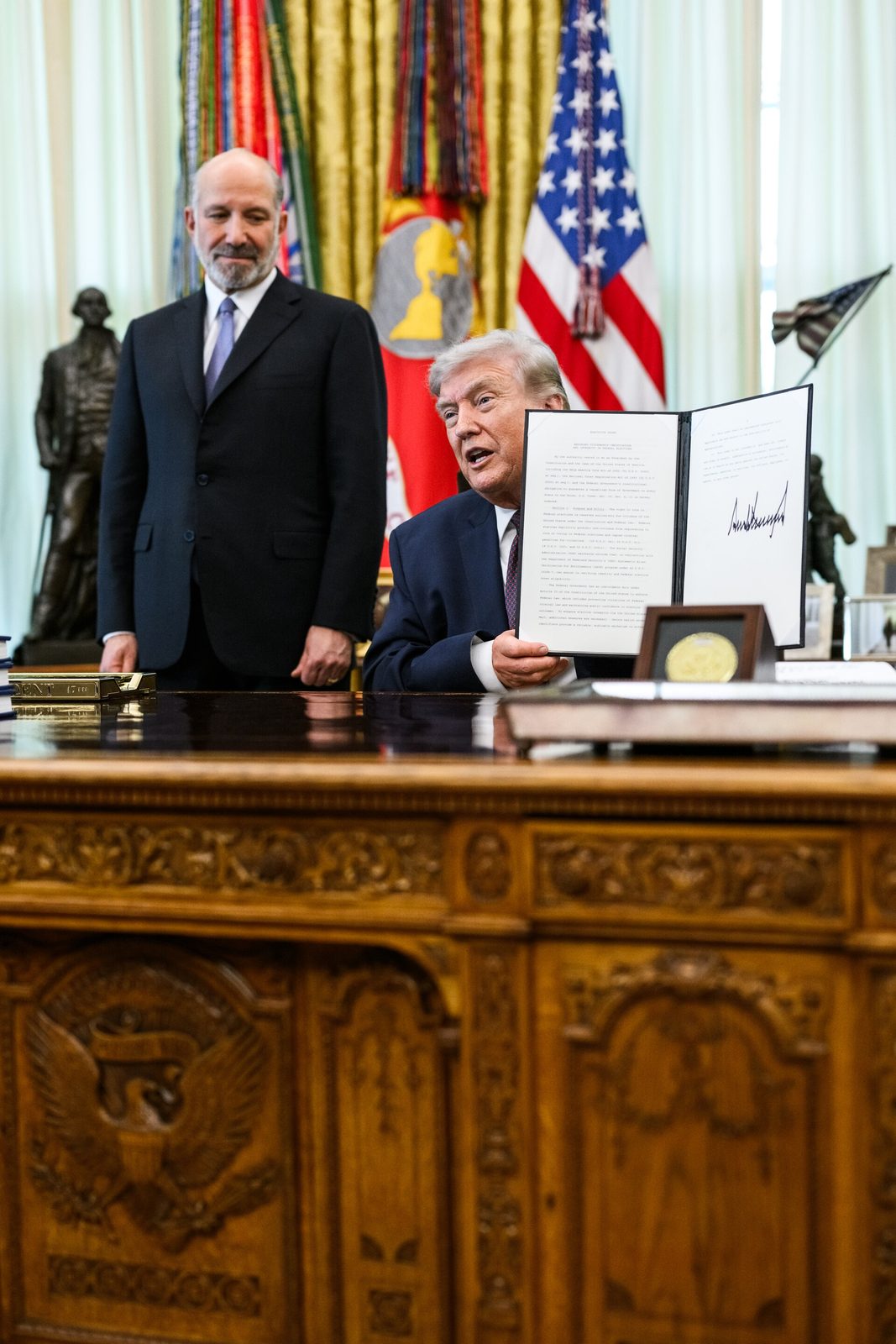
Archive photo · 31 March 2026Trump Moves To Curtail Voting Rights Ahead Of November 3 Midterms, SAVE Act Targets Proof Of Citizenship
4 Western Mainstream1 OtherPhoto: The White House / US federal government, Public domain · Cropped for layout
This article is an automated aggregation of coverage from news outlets. Our editorials offer in-depth analysis curated by the NewsCord team.
Trump administration presses California on citizenship verification and voter registration as midterms approach. DOJ subpoenas seek documentation on voter registration procedures and citizenship checks.
Save coverage image
5 outlets told this the same way.
Trump targets voting access
Donald Trump is moving to curtail voting rights ahead of the midterms, with Americans voting on November 3 in elections that could see Republicans lose control of Congress and endanger President Donald Trump's legislative agenda. Jonathan Diaz, director for voting advocacy and partnerships at the Campaign Legal Center, said, "The Trump administration has tried to insert the federal government into almost every aspect of the election process" in the lead-up to the 2026 vote. The Associated Press-NORC Center for Public Affairs poll found that only 55 percent of Democrats said they are confident the final count after the midterm will be accurate, compared to 38 percent of Republicans.
The SAVE Act would require people to present "documentary proof of United States citizenship" to vote, and it would treat a driver’s license or other official form of identification as insufficient if it does not indicate a place of birth. The Campaign Legal Center said more than 21 million Americans, or nearly 10 percent of voting-age Americans, lack access to documentary proof of citizenship.
Federal database and court fights
The Trump administration expanded the Systematic Alien Verification for Entitlements, also known as SAVE, to verify whether someone is eligible to vote, and at least 25 states opted into the voluntary system. The SAVE database scanned 67 million registrations before a US district judge blocked it in June over privacy concerns and fears it could remove thousands of eligible voters. In Travis County, Texas, 97 people flagged as noncitizens included 10 percent who were actually US nationals, and the AP reported possibly up to 21 percent were US nationals.
The US Supreme Court lifted the judge's block in a September ruling, allowing use of the database to go ahead. Kiersten Pels, a department spokesperson, said in an email, "[The] DOJ has never said it would send federal law enforcement to the polls."
California subpoenas and ballot disputes
The Department of Justice issued subpoenas from a federal grand jury directed at local officials in California to obtain documentation about voter registration procedures, citizenship verification, and complaints about non-citizens’ voting participation.
The subpoenas were sent between October 21 and 24, and Los Angeles County employees were to appear before a federal court in Orange County on November 4, one day after Election Day.
District Judge David O. Carter denied the request to segregate about 20,000 ballots, and Carter questioned the reliability of the list while warning about legal problems in altering election procedures just days before the elections.
Carter wrote, "wreak havoc" and potentially disenfranchise registered voters, and he also held that the government’s actions clashed with constitutional principles about state authority to administer elections.
The judge appointed an independent expert, Daniel B. Garrie, to examine the factual basis of the federal allegations and California’s objections, and a probative hearing was scheduled for November 13.