North Korea25 October, 20252 min read
Trump Recognizes North Korea as Nuclear Power Ahead of Asia Summit with Xi Jinping
This article is an automated aggregation of coverage from news outlets. Our editorials offer in-depth analysis curated by the NewsCord team.
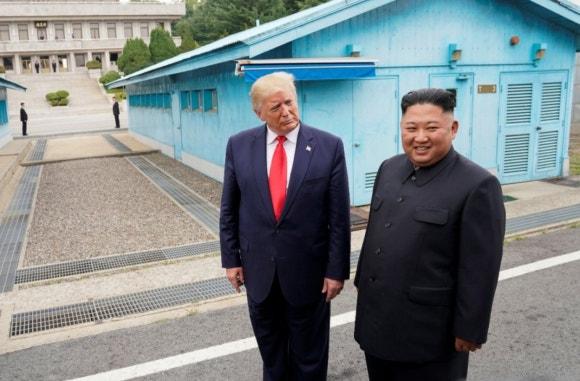
Trump described North Korea as 'sort of a nuclear power' during his Asia trip. Trump expressed openness to meeting North Korean leader Kim Jong Un in Asia.

9 outlets told this the same way.
Trump's Asia Trip and North Korea
U.S. President Donald Trump described North Korea as "sort of a nuclear power" as he left for a multi-stop trip to Asia.
“U.S. President Donald Trump stated on October 25, 2025, that North Korea is 'sort of a nuclear power'... [and] did not explicitly confirm formal recognition.”
The trip focuses on high-stakes discussions with China's Xi Jinping and the potential for engagement with Kim Jong-un.
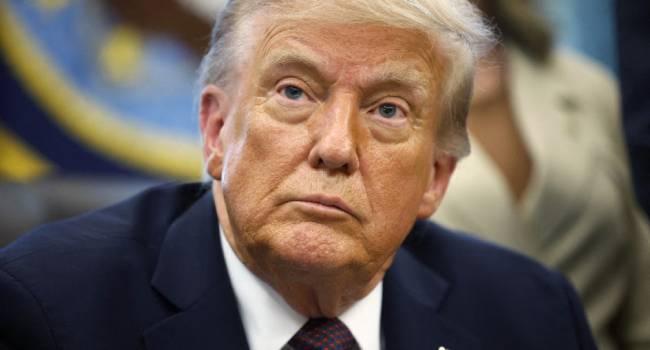
Multiple sources report that Trump acknowledged Pyongyang's possession of "many" nuclear weapons but stopped short of formal recognition.
Sources from West Asia and Asia highlight his willingness to hold talks during visits to South Korea, Japan, and Malaysia.
Western mainstream media also link the statement to upcoming trade decisions, including threatened 100% tariffs.
The trip is framed as both a security and economic challenge ahead of the expected Trump–Xi meeting.
Uncertain Meeting with Kim Jong-un
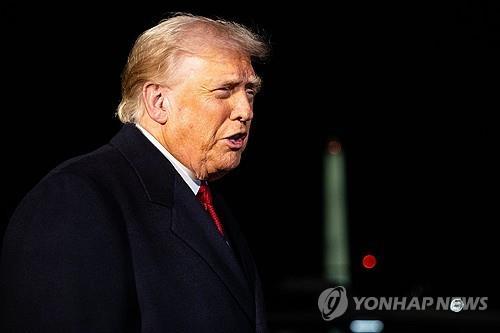
The meeting prospects with Kim Jong-un are portrayed with varying degrees of certainty. Yonhap, an Asian news source, reports that no meeting was officially scheduled during Trump’s South Korea stop for APEC. LBCI, a West Asian outlet, says the trip might include a meeting.
Koreabizwire, categorized as Other, states that Trump is seeking a meeting. The Guardian, a Western mainstream source, adds that South Korean officials see a “considerable” chance of a meeting. U.S. officials, however, downplay immediate plans, underscoring a fluid and contested diplomatic picture.
Trump's Asia Trade Visit
Trade and economic stakes are a parallel centerpiece of the discussions. The Guardian (Western Mainstream) reports that Trump aims to clinch a deal with Xi to end the trade war and avoid 100% tariffs scheduled for November 1. Channels Television (Other) highlights disputes over rare-earth elements and a planned discussion on fentanyl trafficking with Xi.
“The trip’s main focus is high-stakes trade talks with Chinese leader Xi Jinping... avoid the imposition of 100% tariffs scheduled for November 1.”
Roya News (West Asian) echoes the push to resolve the trade war and prevent new tariffs. The trip is framed as Trump’s first visit to Asia since returning to the White House. Meetings in Malaysia and Japan are planned to round out the itinerary.
Trump's Asia Trip Details
The itinerary itself diverges across reports. The Guardian (Western Mainstream) lists Malaysia, Japan, and South Korea, including the ASEAN summit in Malaysia—where Trump is expected to sign a trade deal and witness a peace accord between Thailand and Cambodia—and the APEC summit in South Korea, as well as a meeting with Japan’s new Prime Minister Sanae Takaichi.
Channels Television (Other) corroborates the Japan stop and adds meetings with South Korean President Lee Jae Myung and U.S. tech executives, plus the Trump–Xi session in Gyeongju. Roya News (West Asian) similarly points to APEC in South Korea and stops in Malaysia and Japan.
Media Views on North Korea Status
How outlets frame North Korea’s status varies sharply. LBCI (West Asian) and The Guardian (Western Mainstream) note Trump acknowledged capabilities without committing to recognition. Koreabizwire (Other) says he emphasized the need to recognize those capabilities.
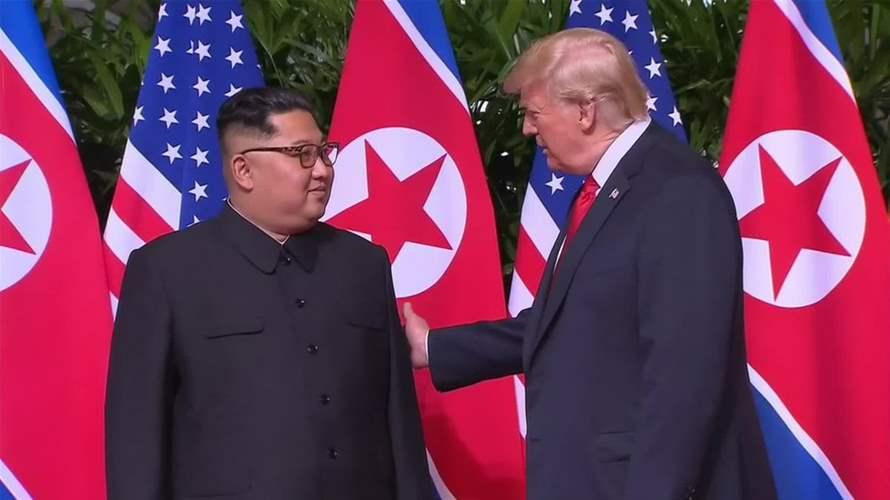
“North Korean leader Kim has indicated a willingness to engage in talks with the U.S. if Washington drops its denuclearization demands, seeking recognition of North Korea as a nuclear power.”
Yonhap (Asian) foregrounds Pyongyang’s condition to talks—recognition if Washington drops denuclearization demands. Roya News (West Asian) presents Trump’s openness to recognizing status as a precondition, suggesting a more forward-leaning U.S. stance than other accounts. Together, these divergent emphases show why the “sort of a nuclear power” phrasing is being interpreted differently across regions and outlet types.