Technology and Science28 August, 20262 min read
Tunisia Water Crisis: Kais Saied Targets Journalists, Al Jazeera Reporters Interpellated in Rades
This article is an automated aggregation of coverage from news outlets. Our editorials offer in-depth analysis curated by the NewsCord team.
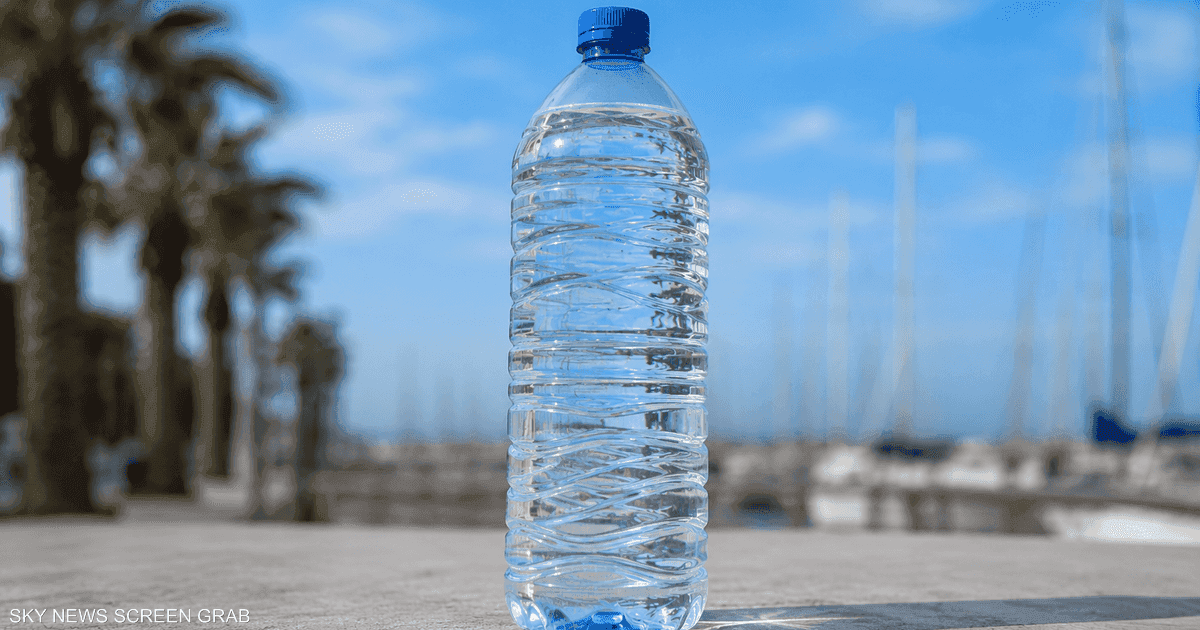
Tunisia faces severe water and electricity shortages during heatwave, with tanker deliveries and bottling disruptions. President Kais Saïed calls water and power cuts premiditated acts, blaming plotters.
6 outlets told this the same way.
Water crisis and repression
Tunisia’s water and electricity crisis has driven long lines and traffic congestion as citizens search for mineral water, while opposition parties criticized authorities for repeatedly blaming “plotters” and “saboteurs” instead of taking responsibility. In parallel, Reporters sans frontières (RSF) said that in July and August 2026 several journalists covering public-interest topics in Tunisia were “empêchés, restreints ou inquiétés,” including coverage of the bottled-water crisis and social mobilizations.
RSF reported that on 26 August two journalists from the Tunis bureau of Al Jazeera—Mahmoud El Majdoub and Ahmed Ayari—were interpellated in Radès while covering the bottled-water crisis, and after questioning they were forced to delete photos and sign a procès-verbal banning them from filming and photographing in the police center area without prior authorization. RSF also described how authorities demanded additional accreditations from journalists who already had a professional card and an order of mission, and said the Tunisian president’s rhetoric about “deliberate acts to inflame the situation” did not address the broader pressure on access to water and information.

Heat, shortages, and numbers
Euronews described a summer marked by rising protests and repeated power and water outages, culminating in an “unprecedented mineral water shortage” where many people in long lines “do not obtain even a single bottle of water.” It cited Tunisian Water Observatory data saying July saw 608 reports related to water disruptions, the highest monthly toll since the start of the year.
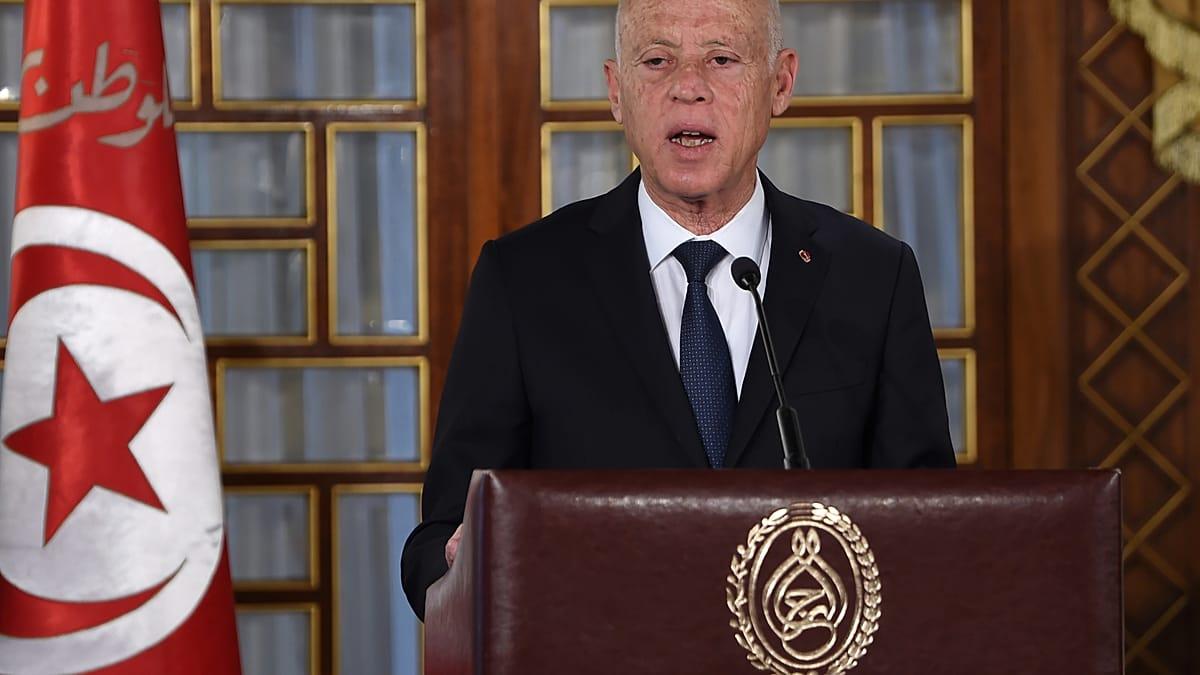
Euronews also reported that per-capita bottled-water consumption reached about 241 liters per year in 2024, up from 225 liters in 2020, and that the Consumer Guidance Organization estimated the cost for a family of five at about 130 to 140 dinars per month. In the same account, Tunisia’s president Kais Saied said, “The Tunisian people do not need notices today, but actions, and they are coming,” while opposition Secretary-General of the Democratic Way Party Houssam El-Ajbouni said crises will worsen as long as denial continues and there is “no change in the country.”
Inspections, seizures, and stakes
As the bottled-water shortage deepened, the Ministry of Trade intensified inspections and, according to official data carried by Tunisian media, announced the seizure of more than 147,000 liters of bottled water after violations related to transparency of transactions and price compliance were recorded.
Sky News Arabia said that in Aïrâne, the arrival of a shipment of bottled water on August 19 created a line of residents and passersby eager to buy bottles, while it described speculation as another problem as inspections continued.
In its account of the legal and economic backdrop, Le Courrier de l'Atlas linked the shortage to financing and controls, citing Law No. 2024-41 in force since February 2, 2025, and describing how the centralized platform now allows verification and immediate reservation of the provision.
The same local report said the presidency of the Republic favored a single explanation of domestic plotting and speculation, while it also described an anti-speculation framework that provides “Ten years in prison for simple speculation” and a fine of 100,000 dinars, with further penalties for crisis or disaster situations.