Technology and Science19 July, 20263 min read
Uber Fights Waymo Over D.C. Robotaxi Rules Proposed By Charles Allen Bill
This article is an automated aggregation of coverage from news outlets. Our editorials offer in-depth analysis curated by the NewsCord team.
DC Council bill by Charles Allen would allow autonomous vehicles to operate in D.C. Uber opposes the bill and lobbies to shape robotaxi rules against Waymo.

DC robotaxi rules clash
A bill proposed by D.C. Councilmember Charles Allen would update the district’s 2012 Autonomous Vehicle Act to permit driverless testing and commercial driverless operations, and it has escalated into a direct fight between Uber and Waymo over how robotaxis should operate in Washington, D.C.
“A proposed bill that would allow autonomous vehicles to operate in Washington, D.C.”
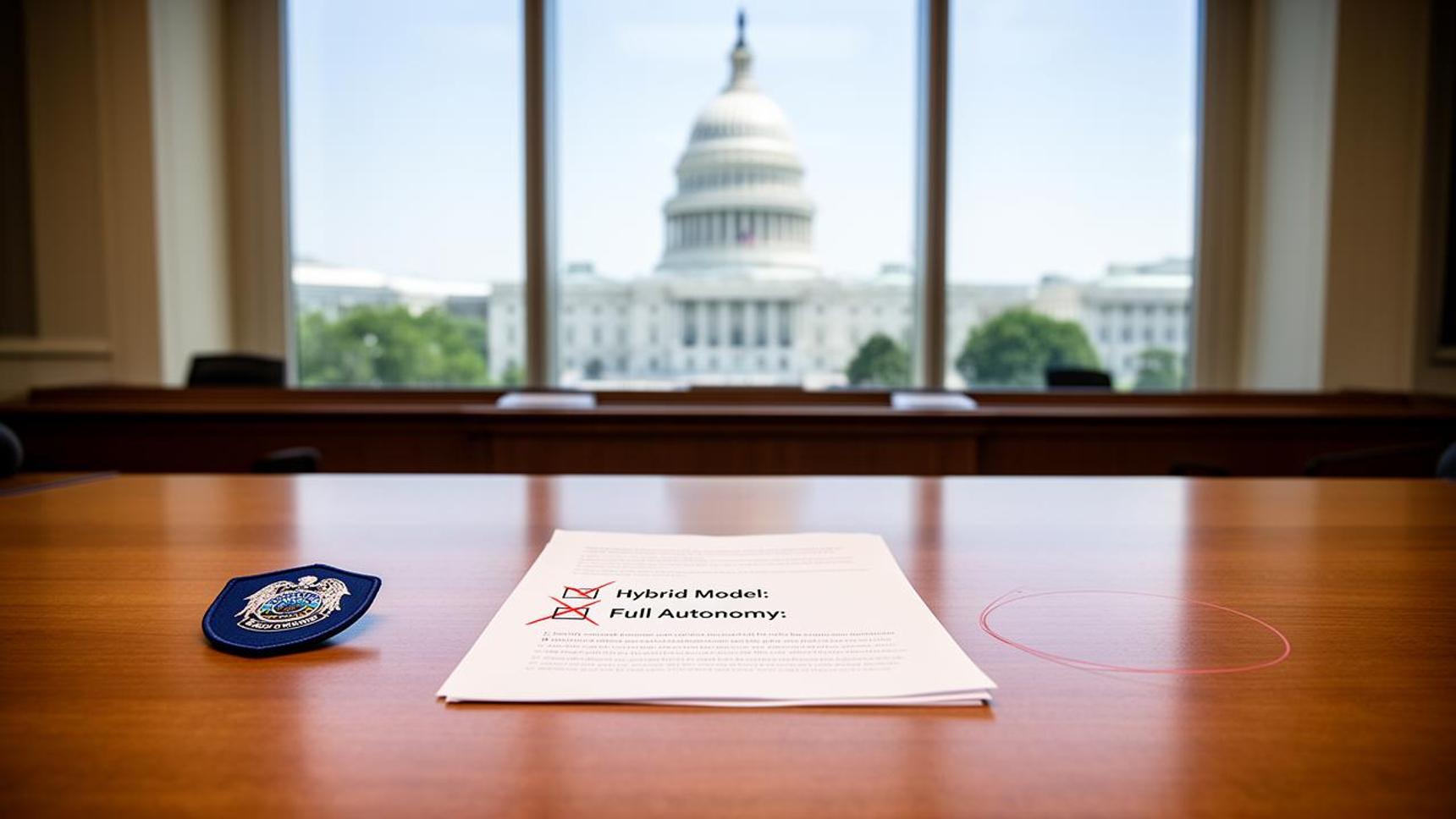
Uber opposes the legislation and argues it would displace for-hire human drivers and hand Waymo a de facto monopoly, while the company instead lobbies for a “hybrid” model requiring robotaxis to operate on ride-hailing networks that also employ human drivers.
TechCrunch reports that the bill would give the District Department of Transportation (DDOT) authority to issue driverless testing and deployment permits to autonomous vehicle developers meeting requirements including a minimum of $5 million in liability insurance and crash-data reporting within either eight hours or 72 hours depending on whether the vehicle is part of a commercial fleet or privately owned.
The same TechCrunch account says the bill would charge robotaxi operators a $0.15 per mile tax, with revenue split so 50% goes toward public transit and the remaining 50% supports education and workforce development for rideshare and taxi drivers at risk of losing their jobs to robot cars.
Uber and Waymo are set to pitch their positions during a day-long D.C. Council hearing on Monday, as the proposed law is framed as a test case for Uber’s broader robotaxi strategy and Waymo’s backing of the bill’s approach to safe deployment and public transit support.
Uber vs Waymo arguments
In a May D.C. Council roundtable, Uber U.S. policy and federal affairs lead Javi Correoso said, “Hybrid model means that consumers should have the ability to access both. If a consumer is on the app, they should be able to choose,” and he argued the hybrid framework should be part of the regulatory framework for the industry.
TechCrunch also quotes Correoso describing a “first-party only regulatory approach” as something Uber has seen disrupt a city, and it reports that Uber contends robotaxis create congestion by idling or cruising empty and cannot provide physical assistance to older or disabled adults in the way human drivers can.
Waymo, an Alphabet-owned company, counters that the bill it backs will allow for the safe deployment of autonomous vehicles while supporting public transit, equitable access, and workers without restricting companies like Uber.
In an emailed statement, Waymo spokesperson Ethan Teicher wrote, “We do not support efforts to limit AVs to specific types of networks,” and he said the company would welcome changes clarifying that different types of networks can operate in the district.
The dispute is also tied to how Uber wants the rules to treat competition, with TechCrunch describing the stakes as elevated for both Uber and Waymo given their market positions in ride-hailing and robotaxi development.
Permits, fees, and labor impact
Beyond Uber and Waymo, TechCrunch says Monday’s hearing includes scheduled testimony from representatives of Tesla, Lyft, the Teamsters and Service Employees International Union, disability rights and accessibility advocacy groups, local business and industry groups, highway safety proponents, government officials, and think tanks. The bill’s structure, as described by TechCrunch, includes other financial requirements that some argue would block all but the biggest players from the DC market, including a $1 million fee to apply for the application and a non-refundable $5 million fee for the permit once approved. TechCrunch reports that the bill would also charge robotaxi operators a $0.15 per mile tax and split the revenue with 50% going to public transit and the remaining 50% used for education and workforce development for rideshare and taxi drivers at risk of losing their jobs to robot cars.
WIRED adds that Uber’s lobbyists have pushed for “hybrid networks” and, in New Jersey, circulated legislative language that for three years would require any platform offering driverless ride-hailing services to have human drivers serve 85 percent of its rides. WIRED further reports that Uber spokesperson Noah Edwardsen says policy proposals from the AV industry have been “largely unworkable,” because they have failed to address workers’ issues or “have tried to cynically lock out competitors and create monopolies,” while Waymo spokesperson Ethan Teicher says the company “does not support efforts to limit AVs to specific types of networks” and would welcome clarifying changes.