Technology and Science15 October, 20253 min read
UK Government Fails to Prepare for Deadly 2°C Global Warming Heatwaves and Disasters by 2050
This article is an automated aggregation of coverage from news outlets. Our editorials offer in-depth analysis curated by the NewsCord team.
UK government warned to prepare infrastructure for 2°C global warming by 2050 Current UK adaptation plans are inadequate for increasing heatwaves and extreme weather
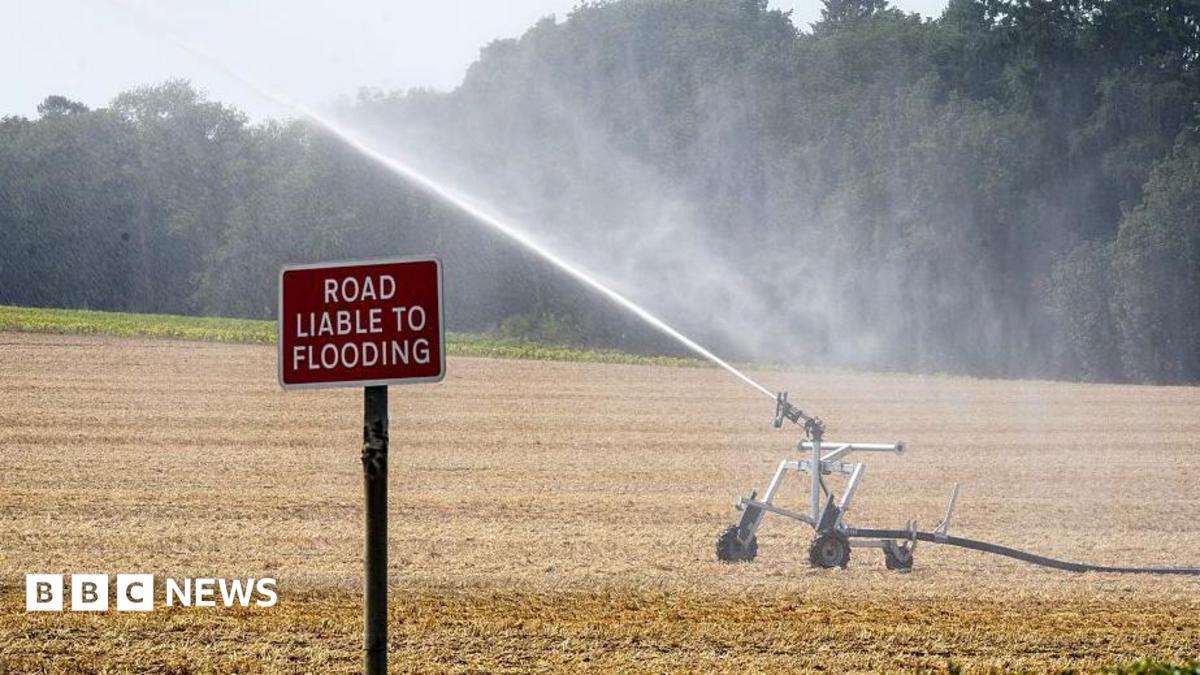
8 outlets told this the same way.
UK Climate Risks and Preparedness
The UK’s official climate advisers have issued a stark warning that the government must urgently prepare for deadly heatwaves and climate disasters associated with at least 2°C of global warming by 2050. They note the country is already struggling at roughly 1.4°C of warming. The Climate Change Committee (CCC) stresses that the 1.5°C Paris target is increasingly unlikely and that adaptation has to be treated as a top priority alongside emissions cuts.
“The UK’s independent Climate Change Committee (CCC) has issued a stark warning that the country must prepare for the impacts of global warming reaching 2°C... as the 1.5°C target... becomes increasingly unlikely.”
New infrastructure should be designed for warming scenarios up to 4°C. Multiple outlets report the UK is underprepared across sectors and services. The CCC is pushing ministers to adopt stronger, accountable targets for resilience as extreme weather intensifies.

Climate Risks at 2°C Warming
Specific risks at 2°C are severe and multifaceted. The CCC warns that flood exposure could double and wildfire risk in southern England could increase tenfold. England may face heatwaves in at least 80% of years by 2050, doubled drought durations, nearly triple peak wildfire days in July, and up to 40% higher flows in some rivers.
These conditions compound lethal heat stress and infrastructure failures. Local and national outlets also note doubled heatwave frequency, longer wildfire seasons, and higher flood risks from rising seas and heavier rainfall. This underscores how surpassing 1.5°C translates into deadlier and more frequent disasters across the UK.

Climate Adaptation Challenges
The CCC’s critique focuses on adaptation failure, stating that existing plans are insufficient, underfunded, and lack clear accountability. The committee advises ministers to design all new housing and infrastructure to withstand temperature increases of up to 4°C. Experts emphasize that the cost of inaction will exceed the price of building resilience.
“Julia King, chair of the CCC’s adaptation subcommittee, highlighted that adaptation efforts have been underfunded... the costs to improve resilience are expected to be lower than the costs of inaction.”
They also highlight that 1.5 million planned new homes must be constructed to cope with lethal heat. Beyond buildings, recommendations include making current and future homes resilient to higher temperatures.
Ensuring tree planting survives hotter conditions is also a key part of the strategy. Large water projects, such as new reservoirs, are suggested to manage worsening drought conditions.
Urban Heat and Climate Risks
Scientists warn that headline global averages mask even deadlier realities in UK cities. Urban heat islands can push real-world temperatures well beyond modelled global means, making cities and the people living and working indoors into climate risk hotspots. Advisers say understanding indoor heat—humidity, ventilation, occupant behavior—is crucial to protect health.
These warnings align with national reports that public services and infrastructure are already strained. Sectors like agriculture and transport are underprepared for these challenges. Rising greenhouse gases are intensifying extreme weather, which will worsen these vulnerabilities.

Climate Adaptation and Policy Updates
Timelines and politics add urgency and some ambiguity to climate adaptation efforts. National outlets report that the CCC will publish a detailed adaptation report in May. The News International says a more detailed adaptation plan is expected in 2026, indicating uncertainty in the policy cycle.
“The CCC will release a detailed report in May outlining how the UK can become well-adapted to future climate risks.”
Meanwhile, the international backdrop is deteriorating with the UN reporting a record rise in atmospheric CO2. The WMO logged record 2024 CO2 levels with the largest increase since the 1950s.
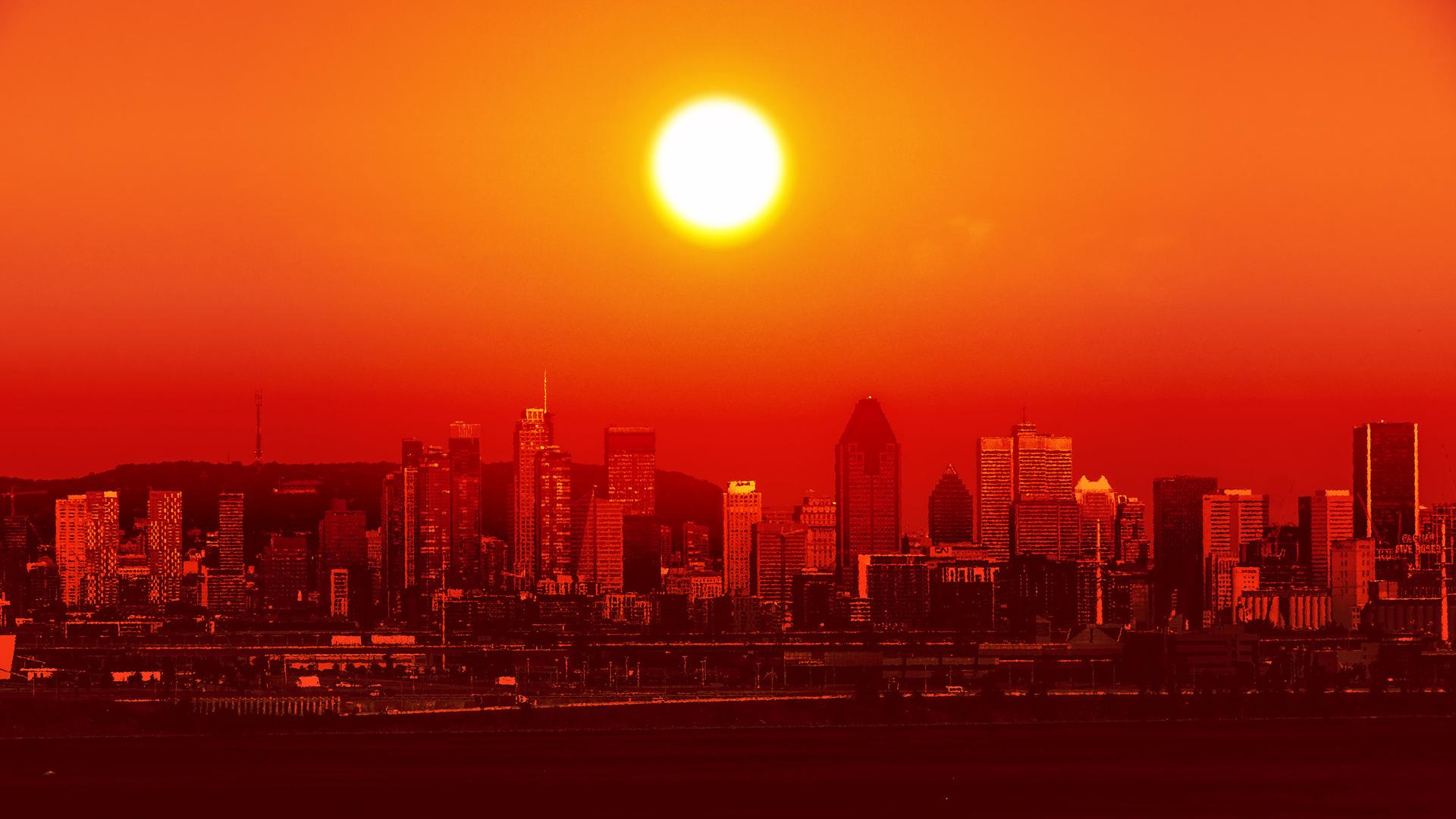
Sky News highlights the CCC’s warning ahead of COP30, emphasizing the diplomatic stakes. The UK faces criticism that its climate adaptation is slow or stalled, while current political discourse is drifting away from urgency.