Technology and Science22 September, 20262 min read
UKHSA And Oxford Genomic Sequencing Explains Kent Meningococcal Outbreak Severity
This article is an automated aggregation of coverage from news outlets. Our editorials offer in-depth analysis curated by the NewsCord team.
Genomic sequencing linked Kent outbreak severity to new virulence traits in meningococcal bacteria. Study involved UKHSA, University of Oxford, and partners using bacterial genome sequencing.

9 outlets told this the same way.
Genetic swap behind severity
Scientists from UKHSA and the University of Oxford said bacterial genome sequencing showed why the Kent meningococcal disease outbreak was so severe, after the bacteria picked up genetic material from other bugs naturally found in some people’s throats. UKHSA said the March outbreak in Kent was linked to a single nightclub in Canterbury over one weekend and saw 21 people diagnosed with invasive meningococcal disease (IMD) in one week, with nine needing intensive care and two people dying.
“‘This investigation shows just how quickly and dramatically these bacteria can change.”
Dr Charlene Rodrigues, consultant in Pathogen Genomics at UKHSA, said: "This investigation shows just how quickly and dramatically these bacteria can change." Dr Rodrigues added that the outbreak variant spread to so many young people because "the social environment, a place where lots of close social mixing takes place."
Unpredictable, could return
UKHSA and Oxford researchers said the same genetic changes that made the strain unusually effective at causing severe disease may also explain why it did not continue to spread widely after the outbreak was brought under control. Dr Charlene Rodrigues said the investigation showed that the bacteria could acquire new traits from harmless bacteria circulating nearby, and she warned that these events could happen again.
Dr Rodrigues told the BBC that experts "should not take their eye off the ball" because the events were rare and unpredictable. Kent Online said the health expert warned that invasive strains can emerge suddenly and can act unpredictably, meaning similar outbreaks can happen again.

Surveillance, jabs, and response
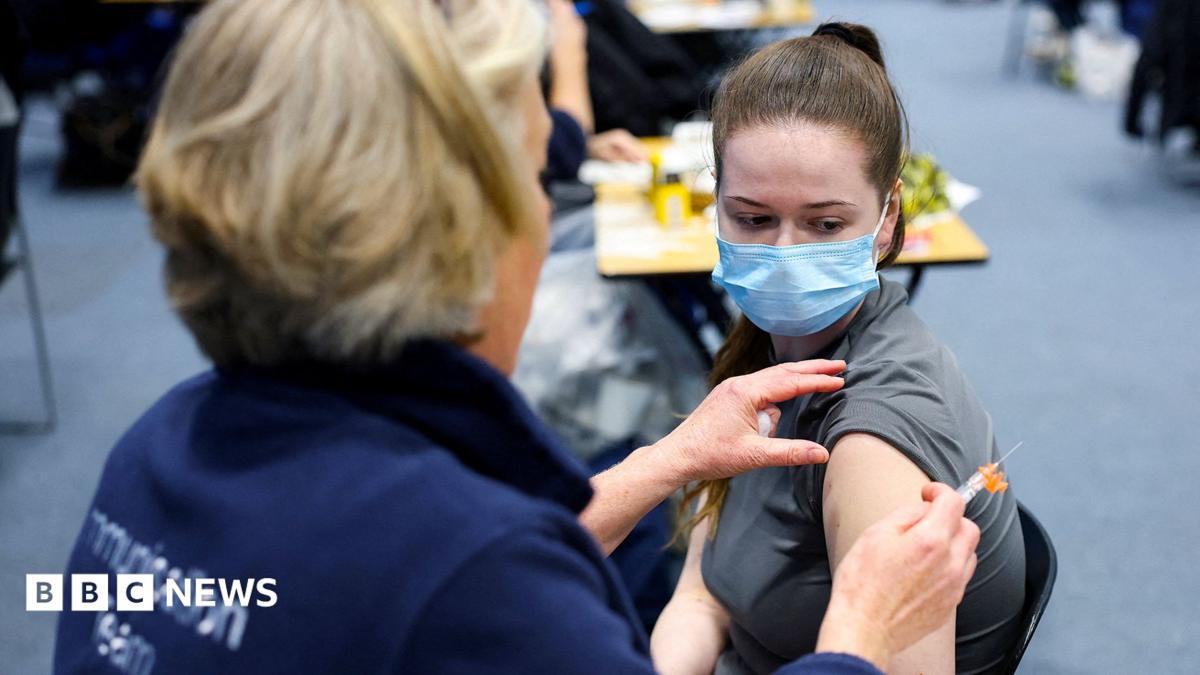
UKHSA said it sequenced the bacteria responsible within days of the first case being reported, comparing outbreak strains against tens of thousands of meningococcal genomes held on international databases. UKHSA said its rapid public health response included contact tracing, antibiotic prophylaxis and targeted vaccination, which was operating within days of the first case being confirmed.
“We cannot afford to wait for the next outbreak before taking action.”
Meningitis Now’s Dr Tom Nutt said: "We cannot afford to wait for the next outbreak before taking action." Meningitis Now said its campaign urged the Government to act on the JCVI recommendation that young people should be offered the MenB vaccine at age 15, a plan it said would take effect from 2030.